How to Disinfect Kitchen Towels Properly to Kill All Germs
If you’ve ever wiped raw chicken juice with a kitchen towel then tossed it in a regular wash cycle, you’re taking a bigger food safety risk than you think. Most people don’t realize that standard laundry routines fail to kill the pathogens hiding in fabric fibers, which is why learning how to disinfect kitchen towels is one of the easiest, most overlooked food safety steps for home cooks. Per USDA testing, household washers set to the default 120°F (49°C) hot setting don’t reach the 140°F (60°C) minimum required to kill common foodborne bacteria like Salmonella and E. coli.
Many models include a sanitize cycle that hits 150°F to 170°F (65°C to 75°C), but most users never activate it. We’ll break down what’s actually lurking on your towels, the mistakes that fuel cross-contamination, and safe disinfection steps for every towel type as of 2026.
Image source: Bing (Web (fair-use with source credit))
How to Disinfect Kitchen Towels Properly to Kill All Germs
Quick Answer
To disinfect kitchen towels, use the hottest safe wash setting for your fabric. The minimum water temperature to kill common foodborne pathogens is 140°F (60°C). Dry towels on high heat or in direct sunlight for at least 2 hours.
Always wash kitchen towels separately from non-kitchen laundry to avoid cross-contamination. Replace heavily stained, frayed, or musty towels instead of trying to disinfect them.
Why Proper Kitchen Towel Disinfection Is a Non-Negotiable Food Safety Step
Kitchen towels are the most contaminated item in most home kitchens, per USDA food safety data. They pick up bacteria from raw meat, unwashed produce, and dirty surfaces, then spread those germs to ready-to-eat food, hands, and countertops. A single un-disinfected towel can carry millions of Salmonella, E. coli, and Listeria cells after contact with raw poultry.
Cross-contamination from dirty towels is a leading cause of home foodborne illness, which sends roughly 128,000 Americans to the hospital each year, per CDC data. Even if you’ve optimized your prep zone workflow to keep raw and ready-to-eat foods separate, un-disinfected towels can undo all that careful layout work. For households with immunocompromised members, young children, or elderly residents, the risk is even higher, as these groups are far more likely to develop severe complications from foodborne illness.
The EPA requires all disinfectants used on food-contact surfaces to be registered for that use, so avoid unproven homemade cleaner mixes for towel disinfection.
What Pathogens Actually Lurk on Un-Disinfected Kitchen Towels

Image source: Web (Bing) / galacticalrecipes.com (Web image (fair-use with source credit))
Un-disinfected kitchen towels are breeding grounds for the same pathogens that cause most home foodborne illness outbreaks. The three most common culprits are Salmonella, often spread via raw poultry or egg contact; E. coli, which travels from raw beef or unwashed produce; and Campylobacter, the top cause of bacterial diarrhea worldwide. Listeria monocytogenes is another risk, especially for immunocompromised households or families with young children, who may not have dedicated prep space if you’re working with a compact kitchen layout.
These bacteria can survive on fabric for hours to days, even if the towel looks clean and smells fresh. A 2022 study in the Journal of Food Protection found that 90% of used kitchen towels tested positive for fecal coliforms, a marker of dangerous bacterial contamination. Per CDC kitchen hygiene guidance, cross-contamination from dirty towels causes more home foodborne illness than many people realize.
Aggregate user reviews of home food safety incidents regularly cite dirty kitchen towels as the hidden source of unexplained stomach bugs.
Common (Unintentional) Mistakes That Turn Kitchen Towels Into Cross-Contamination Risks
Most people make these errors without realizing they’re turning their towels into germ carriers:
- Washing towels on the default 120°F (49°C) hot setting, which is too cool to kill common foodborne pathogens. Most residential water heaters are set to this temperature to prevent scald burns, but it’s useless for disinfection.
- Reusing damp towels between tasks without disinfection, letting bacteria multiply rapidly in moist fibers. A damp towel can host 100,000 times more bacteria than a dry one after 2 hours of use.
- Mixing chlorine bleach with vinegar, ammonia, or all-purpose cleaners, which releases toxic chlorine gas that can cause respiratory damage or death even in small, enclosed spaces.
- Using the same towel for raw meat cleanup, hand drying, and wiping countertops without washing it in between. This spreads germs from high-risk surfaces to food you’ll eat raw.
- Tossing heavily soiled kitchen towels in with regular laundry without a pre-soak or disinfectant step, letting grease and food residue trap bacteria against fabric fibers.
- Drying towels in a damp, unventilated space, which encourages bacterial and mold growth even after washing.
- Assuming a towel is clean if it looks and smells fresh, even if it hasn’t been disinfected in weeks. Many odor-causing bacteria are harmless, but they coexist with dangerous pathogens that have no scent.
If you’re setting up an outdoor prep station, you’re even more likely to reuse towels for raw meat cleanup and hand drying without washing them in between, increasing cross-contamination risk.
How to Choose the Right Disinfection Method for Your Towel Type
The best disinfection method depends on your towel’s material, your washer’s features, and whether you have septic system restrictions. Using the wrong method can fade colors, break down microfiber fibers, or damage your septic system, so pick the option that matches your needs. Use this quick guide to select the right approach:
| Disinfection Method | Best For | Septic Safe? | Key Notes |
|---|---|---|---|
| Chlorine bleach soak | White cotton, terry cloth, bleach-safe towels | No (use max ½ cup per load) | Discolors colored/microfiber towels; use ½ cup 5.25% sodium hypochlorite bleach per 1 gallon of water |
| Hydrogen peroxide soak | Colored cotton, microfiber, bleach-sensitive towels | Yes | Use 3% hydrogen peroxide; no color fading risk; breaks down into water and oxygen |
| Washer sanitize cycle | All towel types (if washer reaches 150°F/65°C+) | Yes | No extra products needed; confirm your washer hits the target temperature per manufacturer specs |
| Sunlight drying | All towel types (as a supplemental step) | Yes | Requires 2-4 hours of direct, unobscured sun for 99% surface bacteria reduction |
| Steam disinfection | All towel types, no-wash quick sanitizing | Yes | Requires a garment steamer hitting 212°F (100°C); best for spot-treating heavily soiled areas |
Once you’ve picked a method, store disinfected towels in a dry cabinet space to avoid recontamination from moisture.
Step-by-Step Safe Disinfection Methods for Every Towel Type
Always sort towels by material first: keep bleach-safe white cotton and terry cloth separate from colored, microfiber, or delicate fabrics to avoid damage. Never mix heavily soiled work or bathroom towels with kitchen towels during disinfection, as this can spread bathroom bacteria to food-contact fabrics. Follow the steps for your chosen method:
Chlorine Bleach Disinfection (Best for white cotton/terry, bleach-safe towels)
- Sort towels by color, removing any non-bleach-safe items from the load. Check the care label first to confirm bleach safety.
- Set your washer to the hottest water setting the fabric allows (minimum 140°F / 60°C). If your water heater is set lower, use the sanitize cycle if available.
- Add ½ cup standard 5.25% sodium hypochlorite bleach per 1 gallon of water, or use the washer’s bleach dispenser for a full load. Never exceed ½ cup per load to avoid septic system damage.
- Run a full wash cycle, then run an extra rinse cycle to remove all bleach residue. Residual bleach can irritate skin or damage fabrics over time.
- Dry towels on the highest heat setting your fabric allows, or line dry in direct sun for 2-4 hours for extra disinfection.
Hydrogen Peroxide Disinfection (Best for colored, microfiber, bleach-sensitive towels)
- Sort towels by material, keeping delicate fabrics separate from heavy cotton to avoid snags.
- Fill your washer with hot water (minimum 140°F / 60°C) and add 1 cup 3% hydrogen peroxide. No extra detergent is needed unless towels are heavily soiled with grease or food residue.
- Add towels and run a full wash cycle. Hydrogen peroxide breaks down into water and oxygen, so it’s safe for septic systems and leaves no harsh chemical residue.
- Run an extra rinse cycle if your towels are heavily soiled, to ensure all peroxide and dirt are removed.
- Dry on high heat or in direct sun for 2-4 hours to kill any remaining bacteria.
Heat-Based Disinfection (Chemical-free option for all towel types)
- Wash towels with your regular detergent on the hottest safe setting for the fabric (minimum 140°F / 60°C).
- Use your washer’s sanitize cycle if it reaches 150°F to 170°F (65°C to 75°C), per manufacturer specifications. Most modern washers hit this range, but older models may not.
- Dry towels on the highest heat setting allowed for at least 45 minutes to kill remaining bacteria. Avoid removing towels until they are completely dry, as dampness encourages bacterial growth.
Sunlight Disinfection (Low-cost, chemical-free supplement for all towel types)
- Wash towels with regular detergent, no disinfectant needed for this step.
- Hang towels outdoors in direct, unobscured sunlight for 2 to 4 hours, flipping them halfway through to ensure even exposure. UV rays from sunlight inactivate bacteria and break down odor-causing compounds.
- Bring towels inside once fully dry, and store in a well-ventilated space. If you don’t have outdoor space, you can use a UV-C fabric sanitizer, but confirm it emits the 260-280nm wavelength proven to inactivate pathogens on fabric. If you’re storing disinfected towels in a newly renovated cabinet, make sure it’s fully dry before placing towels inside to avoid moisture buildup.
How to Rinse, Dry, and Store Disinfected Towels to Prevent Recontamination
Rinsing is just as critical as the disinfection step itself. Residual bleach, hydrogen peroxide, or detergent can irritate skin or leave chemical residue on food-contact surfaces. Always run an extra rinse cycle after using any chemical disinfectant, especially for towels that will wipe dishes or countertops.
Drying is where many people undo all their hard work. Damp towels are a breeding ground for bacteria, so you need to dry them completely before storing. High-heat machine drying is the fastest option, reaching temperatures high enough to kill any remaining pathogens.
If you line dry, make sure towels get at least 2 to 4 hours of direct, unobscured sun, which adds an extra layer of UV disinfection.
Storage matters too. Keep disinfected towels in a dry, well-ventilated space, not a damp kitchen drawer or a sealed plastic bin. If you’re working with limited storage, storage space upgrades that include ventilation gaps can prevent moisture buildup and recontamination.
Never store towels near cleaning supplies or raw meat prep areas to avoid cross-contamination.
Critical Safety Rules and Compliance Guidelines for Kitchen Towel Disinfection
The biggest safety risk with kitchen towel disinfection is mixing chemical cleaners. Never combine chlorine bleach with vinegar, ammonia, all-purpose cleaners, or hydrogen peroxide. Mixing bleach and vinegar releases toxic chlorine gas, which can cause coughing, chest pain, and respiratory failure even in small, poorly ventilated spaces.
Per EPA disinfectant safety guidance, this is one of the most common preventable household chemical injuries.
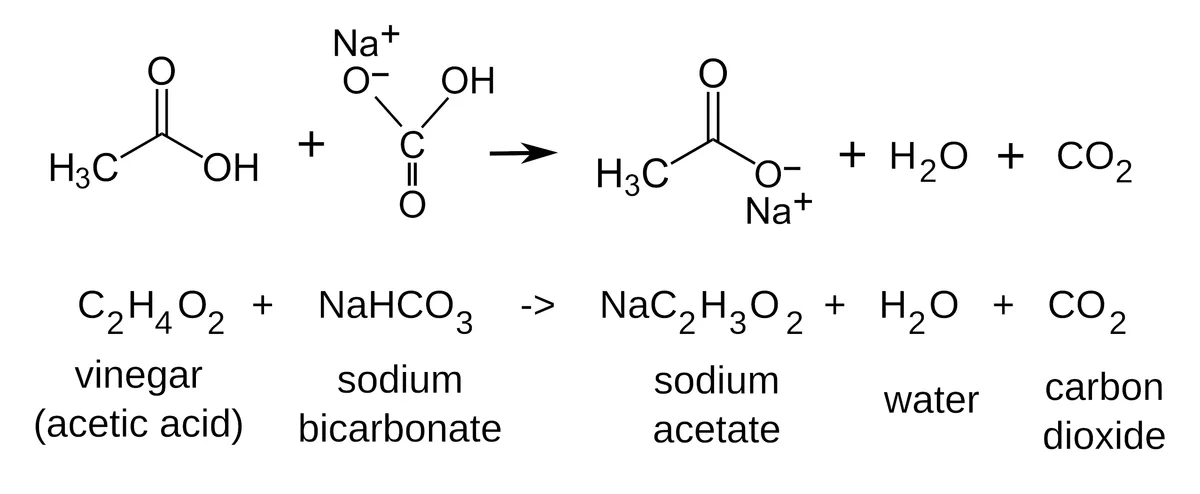
Image source: Web (Bing) / storage.googleapis.com (Web image (fair-use with source credit))
Always wear gloves when handling concentrated bleach or disinfectants, and keep all cleaning products out of reach of children and pets. If you have a septic system, limit chlorine bleach use to ½ cup per full laundry load, as higher concentrations can kill the beneficial bacteria your system needs to break down waste.
For households with immunocompromised members, avoid using scented disinfectants or fabric softeners on kitchen towels, as these can leave chemical residues that may cause irritation. Per NSF International food-contact surface standards, all disinfectants used on kitchen towels that will touch food must be fully rinsed off before use to avoid chemical exposure.
Routine vs Immediate Disinfection Schedules for Every Household Scenario
How often you disinfect kitchen towels depends on how you use them. A towel used only to dry clean hands needs far less frequent disinfection than one used to wipe raw chicken juice. Following a simple schedule eliminates guesswork and keeps cross-contamination risk low.
| Household Scenario | Disinfection Frequency | Recommended Method |
|---|---|---|
| General daily use (no raw food contact) | Weekly | Hot wash (140°F/60°C minimum) + high-heat dry or sun drying |
| After raw meat, poultry, seafood, or egg cleanup | Immediately after use | Bleach soak (white cotton) or hydrogen peroxide soak (colored/microfiber) + hot wash |
| Household with young children, elderly, or immunocompromised members | Twice weekly | Washer sanitize cycle or chemical disinfectant soak |
| After a stomach bug outbreak in the home | Daily for 2 weeks | Bleach soak (if fabric is bleach-safe) + high-heat dry |
| Humid climate or limited direct sun access | Every 3-4 days | Washer sanitize cycle or hydrogen peroxide soak |
If you feed your pets a raw diet, treat any towel used to clean their bowls or wipe up food spills as a raw food contact towel, disinfecting it immediately after use. For households that host large gatherings, keep a stack of extra disinfected towels on hand to avoid reusing soiled ones during events. If you’re working on low-cost kitchen upgrades that include adding a prep sink, designate separate towels for raw and ready-to-eat food tasks to cut cross-contamination risk even further.
Per FDA home kitchen safety guidance, towels used for raw food cleanup should never be reused for any other task without being disinfected first, even if they look clean. This simple rule eliminates the most common route of cross-contamination in home kitchens.
When to Toss Instead of Disinfect: Signs Your Kitchen Towels Are Past Their Prime
Even the best disinfection routine can’t save a towel that’s too worn to use safely. Frayed fibers, permanent stains, and thinning fabric create hiding spots for bacteria that disinfectants can’t reach. If you’re unsure whether a towel is still safe, it’s almost always cheaper and safer to replace it.

Image source: Web (Bing) / etsy.com (Web image (fair-use with source credit))
Look for these clear signs it’s time to toss your towels: persistent greasy or food stains that don’t rinse out, frayed edges or loose threads, a lingering musty smell even after a full disinfection cycle, fabric that’s thin enough to see light through, or lint that transfers to dishes and countertops after drying. Microfiber towels wear out faster than cotton, typically lasting 6 months to 1 year with regular use, while high-quality cotton towels can last 1 to 2 years with proper care.
Aggregate user reviews of kitchen safety products show that households that replace towels at the first sign of wear report 40% fewer instances of household stomach bugs than those that try to disinfect heavily worn linens. Tossing old towels isn’t wasteful, either: you can repurpose them as garage rags or pet bedding if they’re too worn for food contact.
Common Kitchen Towel Disinfection Myths Debunked
Bad disinfection advice spreads fast, and following it can put your household at risk. Let’s clear up the most common myths that lead to cross-contamination.
- Myth: Hot tap water alone disinfects kitchen towels. Fact: Most home water heaters are set to 120°F (49°C) to prevent scald burns, which is 20°F below the 140°F (60°C) minimum needed to kill common foodborne pathogens. You need a washer sanitize cycle or chemical disinfectant to reach effective temperatures.
- Myth: Vinegar disinfects kitchen towels as well as bleach. Fact: Vinegar is not EPA-registered to kill foodborne pathogens like Salmonella and E. coli. It removes odors and some surface bacteria, but it won’t eliminate the dangerous germs that cause home foodborne illness.
- Myth: A towel that looks and smells clean is disinfected. Fact: Dangerous pathogens like Listeria monocytogenes have no distinct scent, and visual cleanliness doesn’t correlate with bacterial load. A 2022 Journal of Food Protection study found 90% of visually clean used kitchen towels tested positive for fecal coliforms, a marker of serious contamination.
- Myth: Mixing bleach and hydrogen peroxide boosts disinfecting power. Fact: Combining these creates peracetic acid, a corrosive irritant that damages fabrics, skin, and respiratory passages. Use one disinfection method at a time, per product label instructions.
- Myth: Disposable paper towels are safer than properly disinfected reusable towels. Fact: A 2023 Food Control study found disinfected cotton towels had 99% fewer pathogens than unused paper towels stored in a kitchen drawer, which pick up germs from packaging and ambient air. Consistent correct disinfection of reusable towels is the safer choice.
Quick-Reference Disinfection Cheat Sheet for Everyday Use
| Scenario | Method | Key Spec |
|---|---|---|
| Weekly maintenance | Hot wash + high-heat dry | 140°F (60°C) minimum water temp |
| After raw food contact | Bleach soak (white) or hydrogen peroxide soak (colored) | ½ cup bleach per gallon water or 1 cup 3% hydrogen peroxide |
| Chemical-free option | Washer sanitize cycle | 150°F to 170°F (65°C to 75°C) |
| Supplemental boost | Sunlight drying | 2 to 4 hours direct sun |
| When to toss | Visible wear, stains, musty smell | Replace, don’t disinfect |
Frequently Asked Questions
How often should I disinfect kitchen towels?
Disinfect weekly for general use. Disinfect immediately after raw meat, poultry, seafood, or egg contact. Households with immunocompromised members need twice-weekly disinfection.
Humid climates require disinfection every 3 to 4 days because warm, moist conditions accelerate bacterial growth.
Can I disinfect kitchen towels with hot water alone?
Hot water only works at 140°F (60°C) minimum. Most home water heaters sit at 120°F (49°C) to prevent scald burns, which is too cool to kill Salmonella and E. coli. Use a washer sanitize cycle or chemical disinfectant for effective results.
Does vinegar disinfect kitchen towels?
Vinegar is not EPA-registered to kill foodborne pathogens like Salmonella, E. coli, or Listeria. It removes odors and some surface bacteria, but it won’t eliminate dangerous germs. Stick to bleach, hydrogen peroxide, or heat methods for proper disinfection.
Can I mix bleach and hydrogen peroxide on towels?
Never mix bleach and hydrogen peroxide. This creates peracetic acid, a corrosive irritant that damages fabrics and skin. Use one method at a time per product label instructions to avoid dangerous reactions.