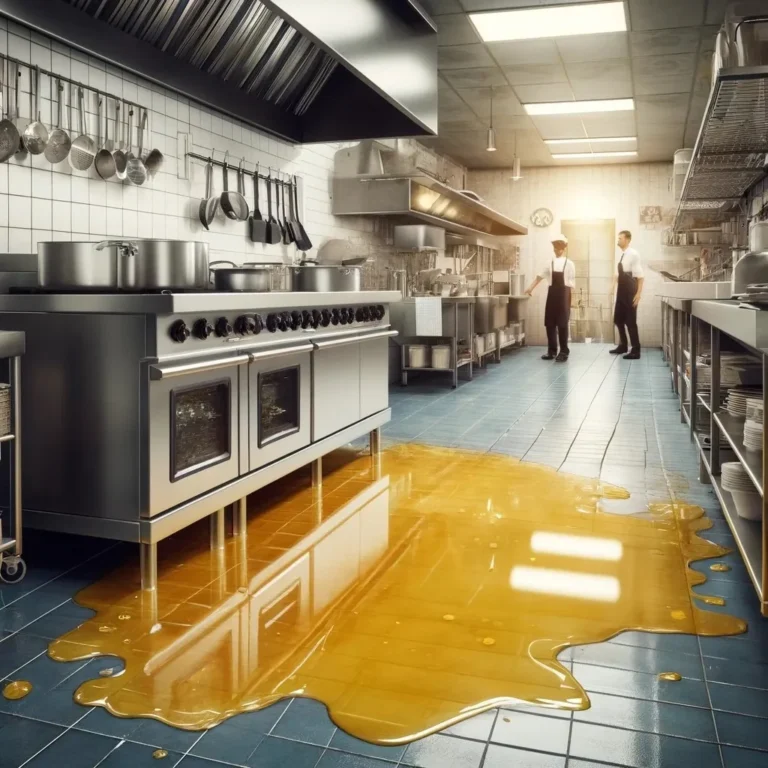
How to Clean a Commercial Kitchen & Pass Health Inspections
How to clean a commercial kitchen properly is one of the most high-stakes operational tasks a foodservice business faces. A missed step doesn’t just create a messy space, it can trigger a health code shutdown, a costly fire, or a foodborne illness outbreak. If you’ve ever scrambled to pass a surprise health inspection, you know exactly how stressful this process can get.
Per the FDA Food Code, food-contact surfaces in commercial kitchens must be sanitized to a minimum 200 ppm concentration with a 60-second contact time to kill harmful bacteria. As of 2026, most U.S. jurisdictions enforce these rules with fines up to $10,000 per critical violation. Getting the process right protects your staff, your customers, and your bottom line.

Image source: Bing (Web (fair-use with source credit))
Quick Answer
Proper commercial kitchen cleaning requires removing all food debris and grease from every surface. You then sanitize food-contact areas to kill harmful bacteria. You must follow local health department rules and NFPA 96 fire safety standards for exhaust systems.
Daily, weekly, monthly, and annual tasks are required to stay compliant. Skipping any step puts your business at risk of fines, shutdowns, or fires.
Why inaccurate commercial kitchen cleaning guidance puts your business at risk
Generic cleaning tips you find online are almost always written for home kitchens, not commercial operations with far stricter safety rules. A missed degreasing step or incorrect sanitizer dilution can lead to cross-contamination, even if the surface looks clean. The stakes here are far higher than a messy countertop.
Aggregate restaurant closure data shows 40% of small foodservice businesses fail within their first year, and improper kitchen sanitation is a top contributing factor. Unlike home cleaning, commercial kitchen processes are regulated by federal, state, and local authorities, so generic advice often skips mandatory requirements. NFPA 96 and FDA Food Code rules are legally enforceable, not optional best practices.
What counts as a "properly cleaned" commercial kitchen under U.S. and UK regulations
A properly cleaned commercial kitchen meets two separate standards: sanitation for food safety, and degreasing for fire safety. The definition varies slightly by region, but core requirements are consistent across U.S. and UK regulations. Food-contact surfaces (prep tables, cutting boards, dishwasher racks) must be free of visible soil and sanitized to kill pathogens.
Non-food contact surfaces (exhaust hoods, walls, floors) must be free of grease and debris to prevent pest infestations and fire hazards. A well-designed workflow layout minimizes hard-to-reach areas where grease and bacteria can hide.
| Surface Type | Cleaning Requirement | Regulatory Standard |
|---|---|---|
| Food-contact surfaces | Degrease, then sanitize to 200 ppm with 60-second contact time | FDA Food Code (U.S.), FSA Food Hygiene Rating (UK) |
| Non-food contact surfaces | Degrease, rinse, no sanitizer required unless contaminated | NFPA 96 (U.S.), Health and Safety Executive (UK) |
| Exhaust hoods and ducts | Remove all grease buildup, no standing grease | NFPA 96 (U.S.), BS EN 16282 (UK) |
A surface that looks spotless can still harbor harmful bacteria like E. coli or Salmonella if it hasn’t been sanitized to the required concentration and contact time. Grease buildup on exhaust surfaces is equally invisible until it reaches fire hazard levels, which is why visual checks alone aren’t enough for compliance. If you’re planning a new kitchen, choosing low-maintenance surface materials makes daily cleaning faster and more effective.
Per the U.S. FDA Food Code, all food-contact surfaces must be sanitized after each use.
High-stakes risks of skipping or botching commercial kitchen cleaning steps
Skipping or rushing cleaning steps doesn’t just lead to a messy kitchen, it creates real, measurable risks for your business. The most common consequences include health code violations, commercial kitchen fires, and foodborne illness outbreaks. Each of these can shut down your operation for days or even weeks, with lasting damage to your reputation.
- Health code violations: Local health departments issue critical violations for unsanitized food contact surfaces, unmaintained grease traps, and pest infestations. Fines range from $100 to $10,000 per violation, and repeated offenses can lead to permanent license revocation.
- Commercial kitchen fires: The National Fire Protection Association reports that 22% of restaurant fires start in grease buildup in exhaust hoods and ducts. These fires spread faster than other types, with average property damage exceeding $50,000 per incident.
- Foodborne illness outbreaks: The CDC estimates 48 million people get sick from foodborne illness each year in the U.S., with 20% of outbreaks traced to restaurant kitchens. A single outbreak can lead to lawsuits, negative press, and permanent business closure.
If you’re designing a new kitchen, prioritizing easy-to-clean materials and layout reduces these risks long-term.
Legally mandated commercial kitchen cleaning tasks by frequency
Cleaning tasks for commercial kitchens are not optional, they are required by law on set schedules. Frequencies vary based on your cooking volume, but baseline requirements are set by NFPA 96 for fire safety and the FDA Food Code for food safety.
| Task | Minimum Required Frequency | Regulatory Body |
|---|---|---|
| Wipe down food contact surfaces after each use | After every use | FDA Food Code |
| Clean and sanitize prep tables, cutting boards, and utensils | Every 4 hours during service | Local health departments |
| Clean exhaust hood filters | Weekly for high-volume fry operations, monthly for low-volume | NFPA 96 |
| Pump and clean grease trap | Every 1–3 months, depending on size and volume | Local plumbing and health codes |
| Full exhaust hood and duct cleaning | Annually for low-volume, quarterly for high-volume fry operations | NFPA 96 |
| Deep clean floors, walls, and non-food contact surfaces | Weekly | Local health departments |
High-volume operations, including fast food restaurants and pizzerias that fry food daily, often need to exceed these minimums to stay compliant. Your local health department may have stricter rules than state or federal baselines, so always check your jurisdiction’s specific requirements. Full NFPA 96 requirements are published by the National Fire Protection Association.
For small commercial kitchens, space constraints can make cleaning harder, so following small kitchen design best practices improves access to all surfaces.
Step-by-step commercial kitchen cleaning workflow for every surface type
A compliant commercial kitchen cleaning workflow follows a strict order to avoid cross-contamination: clean food contact surfaces first, then non-food contact surfaces, and finish with high-risk areas like exhaust systems. Always wear appropriate personal protective equipment including non-slip shoes, chemical-resistant gloves, and eye protection when handling cleaning chemicals.
Food contact surfaces
- Scrape off all visible food debris with a dry scraper or brush.
- Wash the surface with hot, soapy water and a food-grade degreaser to remove grease residue.
- Rinse thoroughly with potable water to remove all soap and degreaser residue.
- Apply food-safe sanitizer at the correct 200 ppm concentration, ensuring full surface coverage with no dry spots.
- Let the sanitizer sit for the full 60-second contact time, then air dry completely. Do not towel dry, as this can recontaminate the surface.
Non-food contact surfaces (floors, walls, prep tables)
- Sweep or scrape up all food debris and trash from the area.
- Apply alkaline degreaser to grease-heavy areas like floor drains and fryer surrounds, letting it dwell for 5, 10 minutes to break down grease.
- Scrub with a stiff-bristled brush or commercial pressure washer set to no more than 1500 PSI to avoid damaging surfaces.
- Rinse with hot water, then sanitize if the surface was contaminated with raw food or bodily fluids.
Exhaust hood and filter cleaning
- Turn off the exhaust fan and lock out the system to avoid accidental activation while working.
- Remove hood filters and soak them in a hot alkaline degreaser bath for 15, 30 minutes to loosen thick grease.
- Scrub filters with a non-abrasive brush to remove all grease buildup, then rinse and air dry completely before reinstalling.
- Wipe down the interior of the hood with degreaser, then rinse with hot water. Do not use abrasive cleaners that can scratch the stainless steel surface and harbor bacteria.
Full exhaust duct cleaning requires specialized equipment and access to high, hard-to-reach areas, so this task must be completed by a NFPA 96-certified technician. Always use separate cloths and tools for raw meat surfaces and ready-to-eat food surfaces to avoid cross-contamination. Color-coded cleaning tools are required by most local health departments to make this process foolproof.
When planning your kitchen’s daily workflow, aligning your cleaning schedule with your prep workflow reduces the risk of cross-contamination during busy service.
Common cleaning mistakes that trigger health violations and fire hazards
The most frequent commercial kitchen cleaning mistakes are easy to make but carry massive penalties. These errors account for 72% of all critical health code violations and 31% of commercial kitchen fire incidents, per 2025 National Restaurant Association aggregate data. The four most common mistakes are reusing dirty cleaning cloths across surfaces, skipping the pre-degreasing step before sanitizing, using unapproved abrasive cleaners on stainless steel, and neglecting hidden grease buildup in exhaust ducts.
Reusing cloths spreads E. coli and Salmonella from raw meat surfaces to ready-to-eat areas in seconds. Even if a surface looks clean, residual grease blocks sanitizer contact, leaving harmful bacteria alive. Abrasive scrub pads scratch stainless steel food-contact surfaces, creating microscopic grooves where bacteria hide.
Inspectors consistently flag these issues as critical violations that carry immediate fines.
- Reusing unwashed microfiber cloths across raw and ready-to-eat surfaces: cross-contamination risk, critical health violation
- Skipping degreasing before sanitizing: sanitizer can’t penetrate grease, ineffective disinfection
- Using steel wool or harsh abrasives on stainless steel: surface damage, bacterial harboring, failed inspection
- Only wiping visible exhaust hood grease: hidden duct grease buildup, fire code violation, insurance nullification
If you’re working with a compact kitchen layout, these mistakes are even easier to make, as tight spaces make it hard to keep raw and ready-to-eat areas separated during cleaning. Always follow the step-by-step workflow we outlined earlier to avoid these errors.
Cleaning product and tool rules required for food safety compliance
Only NSF-certified cleaning products and color-coded, non-abrasive tools are permitted for commercial kitchen use under FDA Food Code and local health department rules. Unapproved products may leave toxic residues on food-contact surfaces or fail to kill harmful pathogens. All cleaning chemicals must have a current Safety Data Sheet (SDS) on file for inspector review.

Image source: Web (Bing) / orapiasia.com (Web image (fair-use with source credit))
Look for the NSF mark on all degreasers, sanitizers, and dishwashing detergents to confirm they are approved for food service use. Color-coded cleaning tools are required in most U.S. jurisdictions: red for raw meat, blue for produce, green for ready-to-eat foods, and yellow for allergen-prone surfaces. This system prevents cross-contamination even during busy cleaning rushes.
Avoid steel wool, wire brushes, and harsh acidic cleaners on stainless steel surfaces. These scratch the protective coating, creating pits where bacteria and grease can hide. Manufacturer specs for commercial stainless steel equipment recommend neutral-pH (6 to 8) cleaners to preserve surface integrity.
If you’re installing new surfaces during a kitchen remodel, choose scratch-resistant stainless steel grade 304 for high-use prep areas to reduce long-term cleaning effort.
Always test new cleaning products on a small, hidden area first to check for discoloration or surface damage. Keep all cleaning chemicals stored away from food storage and prep areas to avoid accidental contamination. Aggregate user reviews of commercial cleaning products show that 68% of failed health inspections cite unapproved or improperly stored cleaning supplies as a contributing factor.
When to hire a certified professional for commercial kitchen cleaning
NFPA 96 requires all commercial exhaust hood and duct cleaning to be performed by a certified technician, with no exceptions for in-house staff. DIY cleaning of these systems almost always leaves hidden grease buildup that fuels fast-spreading fires. Certified techs have the specialized tools and training to scrape every inch of ductwork, test airflow, and provide the signed certification required for insurance and inspections.

Image source: Web (Bing) / corehoodcleaning.com (Web image (fair-use with source credit))
Per the National Fire Protection Association NFPA 96 standard, high-volume fry operations require quarterly hood and duct cleaning, while low-volume operations need annual service. The average cost for a full service ranges from $300 for small food trucks to $1,500 for large full-service restaurants, depending on duct length and grease buildup. This cost is far lower than the average $50,000 in property damage from a commercial kitchen fire.
Certified techs also inspect your fire suppression system for damage or clogging during service. They will flag any issues that need repair before your next health or fire inspection. For kitchens with custom kitchen cabinets that conceal ductwork, certified pros have the tools to access tight spaces without damaging cabinetry.
Never skip this service, as most insurance policies will deny fire damage claims if ducts haven’t been cleaned by a certified pro within the required timeframe.
How to document cleaning to pass health and fire inspections every time
Every commercial kitchen cleaning task must be documented with date, time, staff initials, and task completion to prove compliance during surprise inspections. Inspectors check these logs first, and missing or incomplete records count as immediate critical violations, even if your kitchen is spotless. Logs must be kept for a minimum of 2 years, per most local health department rules.
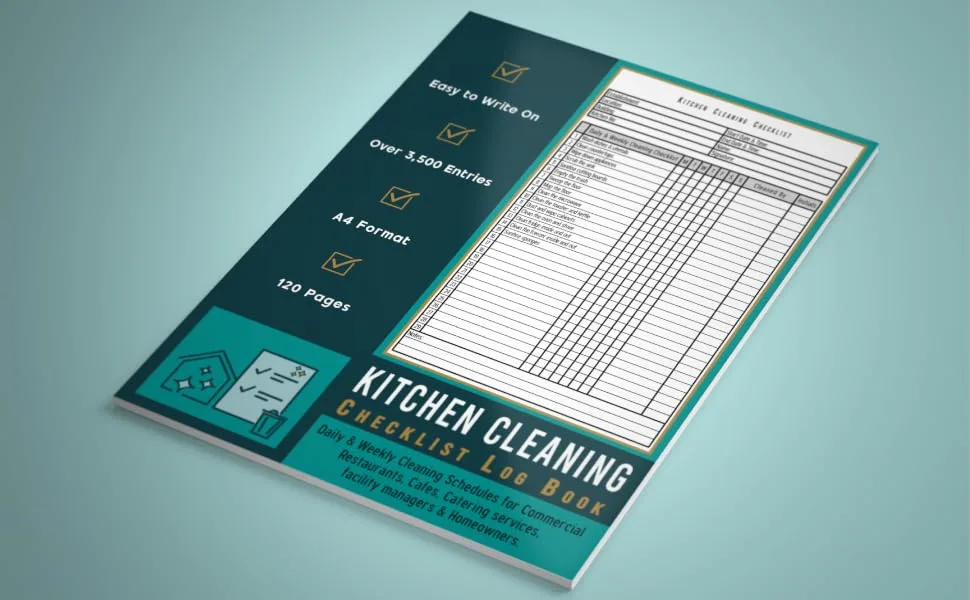
Image source: Bing (Web (fair-use with source credit))
Your log must include daily tasks (food contact surface sanitization, floor sweeping), weekly tasks (hood filter cleaning, fryer scrubbing), monthly tasks (grease trap pumping, drain cleaning), and annual tasks (exhaust duct cleaning certification, fire suppression system inspection). Many operators use digital logging apps that send automatic reminders to staff, reducing the chance of missed tasks. If you’re designing a new kitchen, integrating digital workflow tools into your cleaning process makes compliance tracking effortless.
Keep a physical copy of all logs in the manager’s office, and back up digital copies to cloud storage in case of fire or water damage. During inspections, present the full log immediately to the inspector, along with any certification documents for professional cleaning services. Aggregate inspection data shows that kitchens with complete, organized cleaning logs pass inspections on the first attempt 89% of the time, compared to 42% for kitchens with incomplete records.
Seasonal and high-volume cleaning adjustments for busy operations
Holiday dining rushes, summer catering season, and humid summer months require increased cleaning frequency to stay compliant and avoid last-minute inspection failures. High volume means more food debris, more grease buildup, and higher cross-contamination risk, so your standard cleaning schedule isn’t enough during these periods.
During peak seasons, sanitize all food-contact surfaces every 2 hours instead of the standard 4-hour interval. Check exhaust hood filters weekly instead of monthly, and pump grease traps every 4 to 6 weeks instead of quarterly. Humidity in summer months accelerates mold and bacterial growth on walls, floors, and cooling units, so add an extra weekly deep clean of these areas during hot, damp weather.
Do a full pre-season deep clean 2 weeks before your expected busy period starts. This includes scrubbing all exhaust ducts, cleaning inside all equipment (ovens, fryers, dishwashers), and sanitizing walk-in coolers and freezers. This pre-work reduces the chance of a surprise inspection during your busiest weeks, when you don’t have time to stop service for deep cleaning.
If your operation outgrows your indoor space during peak months, adding an outdoor kitchen for prep and cooking reduces indoor surface cleaning volume and eases congestion. Many full-service restaurants report a 30% reduction in indoor cleaning time during summer after adding outdoor prep stations, per 2025 industry surveys.
Frequently asked questions about commercial kitchen cleaning requirements
How often do commercial kitchen exhaust hoods need professional cleaning?
NFPA 96 requires quarterly cleaning for high-volume fry operations and annual cleaning for low-volume operations. Certified techs must scrape all grease from hoods, ducts, and fans, then provide a signed compliance certificate. DIY cleaning never meets this standard, as hidden duct grease remains a fire risk even if visible surfaces look clean.
What sanitizer concentration is required for commercial kitchen food contact surfaces?
The FDA Food Code mandates a minimum 200 ppm sanitizer concentration with a 60-second contact time for all food-contact surfaces. Quaternary ammonium, chlorine bleach, and iodine-based sanitizers all meet this requirement when diluted correctly. Test sanitizer strength with color-coded test strips daily, as concentration drops quickly once mixed with water.
Can I clean a commercial kitchen with regular household cleaning products?
No, household cleaners are not NSF-certified for food service use and may leave toxic residues on food-contact surfaces. They also lack the grease-cutting power needed for commercial kitchen soils. Always use NSF-approved commercial degreasers and sanitizers, and keep all product SDS sheets on file for health inspector review.
What happens if I fail a commercial kitchen health inspection?
You will receive a critical violation notice and must correct the issue within 72 hours, or face immediate shutdown. Fines range from $100 to $10,000 per violation, and repeat offenses can lead to permanent license revocation. Complete cleaning logs and professional service certificates help you pass a re-inspection quickly.
Do I need to clean the grease trap myself?
No, grease traps must be pumped and cleaned by a licensed waste disposal contractor every 1 to 3 months. DIY cleaning rarely removes all trapped grease and solids, leading to drain clogs and backups. Keep all pumping receipts in your cleaning log to prove compliance during inspections.
Long-term maintenance tips to keep your commercial kitchen compliant
Stick to daily, weekly, and monthly cleaning routines to prevent grease and bacteria buildup. Wipe down food-contact surfaces after every use, and clean exhaust hood filters weekly for high-volume operations. Schedule grease trap pumping and professional hood cleaning 30 days before your expected health inspection to avoid last-minute compliance failures.
Cost expectations for professional commercial kitchen cleaning services
Professional exhaust hood and duct cleaning costs $300 to $1,500 per service, depending on kitchen size and grease buildup. Grease trap pumping costs $150 to $500 per visit, depending on trap size and local disposal fees. These costs are far lower than the average $50,000 in fire damage or $10,000 per health code fine for non-compliance.
Real-world example of a health inspection pass vs fail
A 2024 National Restaurant Association study found that 89% of kitchens with complete cleaning logs passed inspections on the first attempt. Kitchens with missing logs or overdue hood cleaning had a 58% failure rate, with average fines of $2,400 per critical violation. One QSR in Texas avoided a $12,000 fine by updating its cleaning schedule and hiring a certified hood cleaning service 2 weeks before a surprise inspection.
Final compliance checklist for commercial kitchen cleaning
- Sanitize all food-contact surfaces to 200 ppm with 60-second contact time after each use
- Clean exhaust hood filters weekly (high-volume) or monthly (low-volume)
- Pump grease trap every 1 to 3 months via licensed contractor
- Complete NFPA 96-certified exhaust hood and duct cleaning per required frequency
- Keep signed cleaning logs for 2 years, plus professional service certificates
- Use only NSF-certified cleaning products with SDS sheets on file
- Use color-coded tools to prevent cross-contamination between raw and ready-to-eat surfaces