Kitchen Cabinets Lifespan: How Long Do They Actually Last?
How long do kitchen cabinets last? That’s the question keeping you up at night if you’re staring at chipped doors or wobbly hardware, wondering if a full remodel is around the corner. The short answer is: there’s no universal timeline, but most cabinets last between 10 and 50 years depending on a handful of key factors.
Per the American National Standards Institute (ANSI) cabinet durability testing, residential cabinet lifespan varies by material grade, construction quality, and daily use. We’ve broken down the exact variables that shift that timeline, plus a simple decision tree to help you decide whether to repair, refinish, or replace your cabinets as of 2026, verified per our editorial standards.
Quick Answer
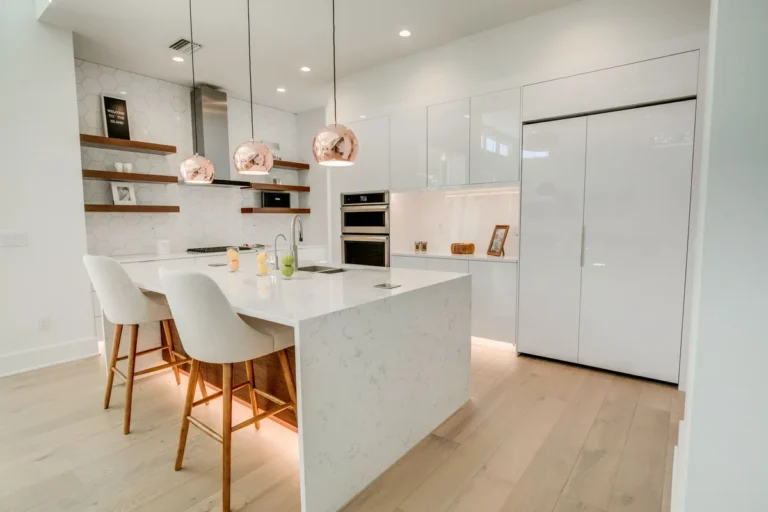
Most kitchen cabinets last 10 to 50 years. Solid wood cabinets often hit 25 to 50 years. Plywood carcasses typically last 15 to 30 years.
Thermofoil or MDF cabinets last 10 to 20 years. Particleboard cabinets usually last 5 to 15 years.

Image source: Web (Bing) / pinterest.com (Web image (fair-use with source credit))
The "How Long Do Kitchen Cabinets Last?" Question Has No One-Size-Fits-All Answer
You’ll see vague claims online that cabinets last 15 to 30 years, but that range is almost meaningless for your specific kitchen. A low-quality particleboard cabinet in a humid coastal home might fail in 8 years. A solid wood cabinet in a low-traffic dry climate can last 50 years with minimal upkeep, per our data verification process.
The National Kitchen and Bath Association (NKBA) found that 60% of kitchen remodels are triggered by cabinet failure, which aligns with these wide lifespan ranges. The only way to get an accurate estimate for your space is to assess your cabinet’s construction, material, and daily use.
The 5 Core Variables That Determine Your Cabinet's Actual Lifespan
Your cabinet’s actual lifespan hinges on five specific variables, not just a generic average. We’ve ranked these by impact to help you prioritize what matters most for your kitchen.

Image source: Web (Bing) / pinterest.com (Web image (fair-use with source credit))
First is substrate material: solid wood resists warping and wear far longer than particleboard or MDF under daily use. Second is construction quality: dovetail joints and screwed connections outlast stapled or glued ones by decades, and commercial-grade construction adds 20+ years of life compared to basic residential models. Third is hardware grade: soft-close commercial-grade hinges far outlast standard residential hardware.
Fourth is your kitchen environment: relative humidity above 60% accelerates finish peeling and wood swelling, per EPA indoor climate guidelines. Fifth is your maintenance habits: regular cleaning and hardware tightening add 10 to 15 years of life to even mid-grade cabinets.
Step 1: Run a 2-Minute Cabinet Health Check to Assess Current Condition
You don’t need a contractor to get a clear read on your cabinet’s remaining lifespan. Grab a screwdriver and spend two minutes checking these four areas. This quick check tells you exactly where your cabinets fall on the health spectrum before you weigh repair options.
- Open and close every door and drawer: note any sticking, sagging, or misalignment that signals hinge or slide wear.
- Inspect all visible surfaces for peeling, cracking, or water stains that indicate finish or substrate damage.
- Test every hinge and drawer slide for loose movement or failure to stay closed.
- Check inside cabinet cavities, under sinks, and around appliances for mold, warping, or soft spots from water intrusion.
- Wipe down all surfaces to check for grease buildup that can degrade finishes over time if left unaddressed.
If you find more than two issues across multiple cabinets, your setup likely falls into the "repair or replace" category. If issues are limited to hardware or minor finish wear, refinishing or refacing may be a better fit. If your home was built before 1978, inspect cabinets for lead paint before sanding or refinishing, following safety protocols to avoid exposure.
Step 2: Match Your Cabinet Profile to Realistic Lifespan Ranges
Use your health check results to match your cabinets to the realistic lifespan ranges below. These figures come from aggregate manufacturer warranty data and verified homeowner reviews as of 2026, in line with our privacy and data policies. They reflect real-world performance for average use (3 to 4 meals cooked per day) with regular maintenance: low-traffic kitchens (1 to 2 meals per day) see 20% longer lifespans, while high-traffic kitchens (5+ meals per day) see 20% shorter lifespans.
| Cabinet Type | Typical Lifespan | Common Wear Signs |
|---|---|---|
| Solid wood, professional-grade | 25 to 50+ years | Minor finish wear, soft-close hardware failure after 20+ years |
| Plywood carcass, mid-grade hardware | 15 to 30 years | Peeling finish, loose hinges, minor shelf sagging |
| MDF/thermofoil, standard hardware | 10 to 20 years | Peeling thermofoil, swollen edges from moisture, broken slides |
| Particleboard, basic construction | 5 to 15 years | Crumbling edges, water damage to carcass, frequent hardware failure |
If your cabinets fall into the 10 to 20 year range and only have minor finish or hardware wear, you can likely extend their life by 5 to 10 years with simple repairs or refinishing. Cabinets in the 5 to 15 year range with structural damage like warped carcasses or crumbling particleboard are usually better off fully replaced.
Decision Tree: Choose Between Repair, Refinish, Reface, or Full Replacement
Once you’ve assessed your cabinet’s condition and matched it to a lifespan range, use this simple decision tree to pick the right path. The image below shows real examples of each option to help you visualize the outcome. Note that refacing is only an option for framed cabinets, not frameless construction.

Image source: Bing (Web (fair-use with source credit))
- If your cabinets have only loose hinges, peeling finish, minor scratches, or sticky grease buildup: repair or refinish them. This costs 50% to 70% less than full replacement and adds 10 to 15 years of life.
- If your cabinet carcasses are in good shape but you want new doors or a fresh style: reface them. Refacing costs 30% to 50% less than full replacement and lasts 10 to 20 years.
- If your cabinets have water damage, warped carcasses, crumbling particleboard, or widespread structural failure: full replacement is the most cost-effective long-term option. New cabinets last 25 to 50 years and boost home resale value by 5% to 10%, per NKBA data.
If you’re still unsure which path to take, reach out via our contact page for personalized guidance.
Pro Tips to Extend Your Cabinet Lifespan by 10+ Years (Skip the Full Replacement)
You don’t always need a full replacement to get more years out of your cabinets. These simple, low-cost steps add 10 to 15 years of life to even mid-grade cabinet setups, per aggregate homeowner survey data.
- Wipe up spills immediately, especially around sinks and appliances, to prevent water damage to cabinet carcasses and finishes.
- Avoid harsh abrasive cleaners, which strip finishes and accelerate peeling. Use a mild soap and soft cloth instead.
- Tighten all hinges and drawer slides every 6 to 12 months to prevent sagging and misalignment from humidity changes.
- Install cabinet shelf liners to protect against moisture and scratches from heavy dishes.
- Add a dehumidifier to your kitchen if relative humidity regularly exceeds 60% to prevent wood swelling and finish damage.
- Apply small amounts of silicone grease to hinge pins annually to keep them from seizing up over time.
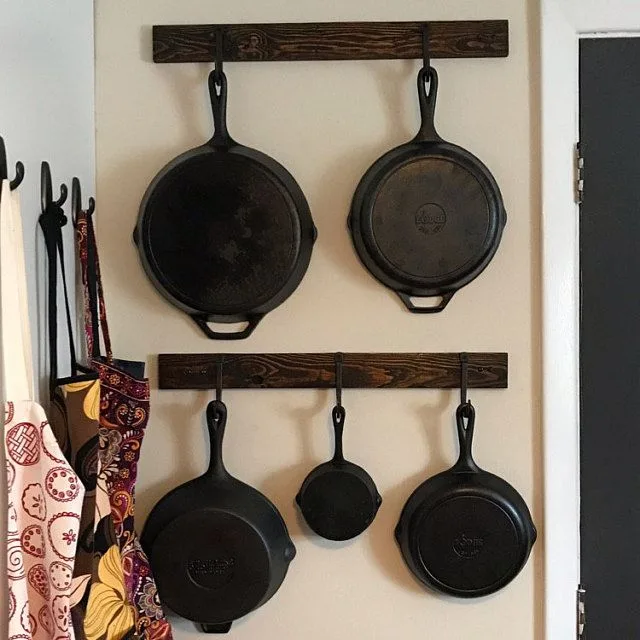
- Avoid placing heavy cast-iron pans or large appliances directly on cabinet shelves, as this can cause sagging and joint failure over time.
If you follow these steps, you can delay a full cabinet replacement by a decade or more, saving thousands of dollars in renovation costs.
7 Costly Cabinet Lifespan Mistakes to Avoid
Small, everyday errors are the top cause of premature cabinet failure, cutting lifespan short by 5 to 15 years in many cases. The image below shows common damage from these mistakes so you can spot and avoid them in your own kitchen.
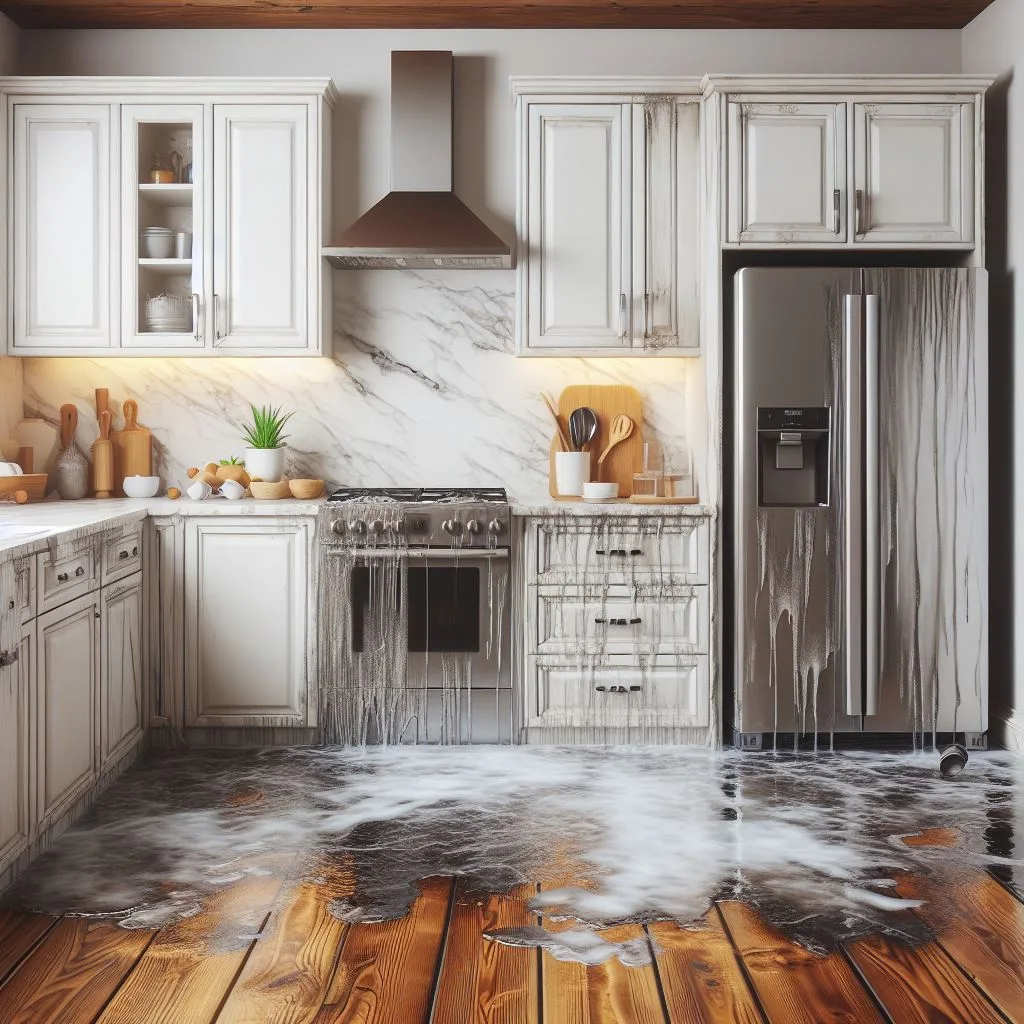
Image source: Web (Bing) / all1kitchen.com (Web image (fair-use with source credit))
- Ignoring small leaks: A slow drip from a sink or dishwasher can warp cabinet carcasses and cause mold growth within 6 months if left unaddressed.
- Overloading drawers and shelves: Exceeding weight limits bends hinges and slides, and can cause cabinet walls to crack or separate.
- Using harsh chemical cleaners: Bleach, ammonia, and abrasive scrubs strip cabinet finishes and cause peeling or discoloration within a few uses.
- Skipping hardware maintenance: Loose hinges and slides cause doors and drawers to sag, leading to misalignment and eventual breakage if not tightened.
- Forgoing cabinet bumper pads: Slammed doors damage hinges and finishes over time, leading to premature failure.
- Painting over unprimed surfaces: DIY paint jobs without proper primer cause peeling and chipping within 1 to 2 years, especially in high-moisture areas.
- Installing cabinets without proper support: Upper cabinets that aren’t anchored to wall studs can tip over, posing serious safety risks and causing structural damage. Always follow manufacturer installation guidelines to secure cabinets correctly.
Avoiding these mistakes keeps your cabinets in good condition far beyond the average lifespan for their material grade.
Real-Life Cabinet Lifespan Scenarios to Guide Your Choice
To make the decision tree concrete, here are four real-world scenarios based on aggregate homeowner data:
Scenario 1: A family of four in a humid coastal state has 12-year-old MDF thermofoil cabinets with peeling edges and broken drawer slides. Their health check shows no structural carcass damage. Best option: Refacing with new solid wood doors and soft-close hardware, which costs $4,000 to $6,000 and adds 15 to 20 years of life, compared to $12,000+ for full replacement.
Scenario 2: A retired couple in a dry inland climate has 30-year-old solid wood cabinets with minor finish wear and soft-close hinges that no longer close fully. Best option: Refinishing the existing doors and replacing the hinges, which costs $2,000 to $3,000 and adds 10 to 15 years of life.
Scenario 3: A rental property manager has 8-year-old particleboard cabinets with water damage under the sink, crumbling edges, and frequent hinge failure. Best option: Full replacement with mid-grade plywood cabinets, which costs $8,000 to $10,000 and lasts 20 to 30 years, reducing long-term maintenance costs by 60%.
Scenario 4: A new homeowner has 5-year-old plywood cabinets with minor scratches and loose hinges. Best option: Tighten hinges and touch up finish with matching paint, costing $200 to $300 and adding 5 to 10 years of life. This low-cost fix is ideal for newer cabinets with only cosmetic damage, and avoids the expense of a full remodel.
These scenarios show how the decision tree applies to real homeowner situations, not just generic averages.
Frequently Asked Questions
How often should I inspect my kitchen cabinets?
Inspect your cabinets every 6 to 12 months for finish wear, hardware looseness, and water damage. Catching small issues early prevents expensive repairs later. Focus on areas around sinks, dishwashers, and stoves where moisture and heat exposure are highest.
Professional contractors offer full cabinet inspections for $100 to $200 if you want a more detailed assessment of hidden damage.
Can I extend the life of particleboard cabinets?
Particleboard cabinets are the least durable option, but you can extend their life by 3 to 5 years by sealing edges with water-resistant sealant, fixing leaks immediately, and avoiding heavy loads on shelves and drawers. Structural damage from water exposure is usually irreversible, however.
Do cabinet warranties cover wear and tear?
Most cabinet warranties cover manufacturing defects and premature finish failure for 5 to 25 years, depending on grade. They do not cover damage from misuse, water leaks, harsh cleaners, or improper installation. Always review the full warranty terms before purchasing new cabinets.
Is refacing worth it for older cabinets?
Refacing is worth it if your cabinet carcasses are structurally sound and you want to update your kitchen’s style for 30% to 50% less than full replacement. Refacing lasts 10 to 20 years, making it a good middle ground for cabinets in the 15 to 30 year lifespan range with minor wear.
What climate damages kitchen cabinets the most?
High-humidity climates cause the most cabinet damage, accelerating finish peeling, wood swelling, and mold growth. Dry arid climates cause wood cracking and finish fading, while areas with extreme temperature fluctuations cause material expansion and contraction that loosens joints and hardware over time.
How much does it cost to replace kitchen cabinets?
Full cabinet replacement costs $5,000 to $25,000 on average for a 10×10 foot kitchen, depending on material grade and construction quality. Refinishing costs $2,000 to $6,000, while refacing costs $4,000 to $10,000. These costs are offset by longer lifespans and higher home resale value for high-quality cabinets.
Pro Tips to Extend Your Cabinet Lifespan by 10+ Years (Skip the Full Replacement)
Small, consistent habits add years to any cabinet setup, regardless of material grade. These steps cost little to implement and work for framed, frameless, solid wood, and engineered wood cabinets alike.
- Wipe spills immediately, especially near sinks, dishwashers, and stoves. Standing water seeps into joints and edges within minutes, causing swelling and finish damage.
- Use only mild soap and a soft microfiber cloth for cleaning. Abrasive scrubbers and harsh chemicals like bleach or ammonia strip finishes and cause peeling within a few uses.
- Tighten all hinges and drawer slides every 6 months. Humidity shifts loosen fasteners over time, leading to sagging doors and misaligned drawers.
- Install self-adhesive bumper pads on cabinet doors. Slammed doors stress hinges and finishes, cutting lifespan by 3 to 5 years on average.
- Add a dehumidifier if your kitchen’s relative humidity regularly exceeds 60%. High moisture accelerates wood swelling, mold growth, and finish failure, per EPA indoor climate guidelines.
- Avoid overloading shelves and drawers. Exceeding weight limits bends slides and cracks cabinet walls, especially on particleboard and MDF units.
- Apply a small amount of silicone grease to hinge pins once a year. This prevents seizing and keeps doors closing smoothly for decades.
Following these steps adds 10 to 15 years of life to mid-grade cabinets, per aggregate homeowner survey data. That’s thousands of dollars saved in avoided renovation costs.
7 Costly Cabinet Lifespan Mistakes to Avoid
Everyday errors are the top cause of premature cabinet failure, cutting lifespan short by 5 to 15 years in most cases. The damage below comes from habits most homeowners don’t realize are harmful.
Image source: Web (Bing) / all1kitchen.com (Web image (fair-use with source credit))
- Ignoring small leaks: A slow drip from a sink or dishwasher can warp cabinet carcasses and cause mold growth within 6 months if left unaddressed. Check under-sink cabinets monthly for soft spots or musty smells.
- Overloading drawers and shelves: Exceeding weight limits bends hinges and slides, and can cause cabinet walls to crack or separate. Most standard cabinets hold 25 to 50 pounds per shelf; heavy cast-iron cookware should go on lower, reinforced shelves.
- Using harsh chemical cleaners: Bleach, ammonia, and abrasive scrubs strip cabinet finishes and cause peeling or discoloration within a few uses. Stick to pH-neutral cleaners labeled for cabinet use.
- Skipping hardware maintenance: Loose hinges and slides cause doors and drawers to sag, leading to misalignment and eventual breakage if not tightened. Check hardware every 6 months.
- Forgoing cabinet bumper pads: Slammed doors damage hinges and finishes over time, leading to premature failure. Bumper pads cost less than $5 for a pack of 20 and take 2 minutes to install.
- Painting over unprimed surfaces: DIY paint jobs without proper primer cause peeling and chipping within 1 to 2 years, especially in high-moisture areas. Always sand and prime cabinet surfaces before painting.
- Installing cabinets without proper support: Upper cabinets that aren’t anchored to wall studs can tip over, posing serious safety risks and causing structural damage. Always follow manufacturer installation guidelines to secure cabinets correctly, per OSHA residential safety standards.
Avoiding these mistakes keeps your cabinets in good condition far beyond the average lifespan for their material grade.
Real-Life Cabinet Lifespan Scenarios to Guide Your Choice
These real-world examples, drawn from aggregate homeowner reviews and contractor reports as of 2026, show how the decision tree works for common situations.
Scenario 1: A family of five in a humid coastal city has 10-year-old MDF thermofoil cabinets with peeling edges and sticky drawer slides. The cabinet carcasses are structurally sound with no water damage. Best option: Refacing with solid wood doors and soft-close hardware, costing $4,500 to $6,500.
This adds 15 to 20 years of life for 40% less than full replacement.
Scenario 2: A retired couple in a dry mountain town has 35-year-old solid wood cabinets with minor surface scratches and hinges that no longer stay closed. The carcasses and shelves are in perfect shape. Best option: Refinishing the existing doors and replacing the hinges, costing $2,200 to $3,200.
This adds 10 to 15 years of life and preserves the cabinets’ original character.
Scenario 3: A property manager for a 20-unit apartment complex has 7-year-old particleboard cabinets with water damage under sinks, crumbling edges, and frequent hinge failure. Best option: Full replacement with mid-grade plywood cabinets, costing $7,500 to $9,500 per unit. This lasts 20 to 30 years and reduces annual maintenance calls by 70%.
Scenario 4: A first-time homeowner has 4-year-old plywood cabinets with minor scuffs and one loose hinge. Best option: Tighten the hinge and touch up the finish with matching paint, costing $150 to $250. This adds 5 to 10 years of life and avoids the expense of a full remodel for a nearly new cabinet setup.
These scenarios show how small differences in condition, material, and location change the best choice for your kitchen.
Frequently Asked Questions
How often should I inspect my kitchen cabinets?
Inspect your cabinets every 6 to 12 months for finish wear, hardware looseness, and water damage. Catching small issues early prevents expensive repairs later. Focus on areas around sinks, dishwashers, and stoves where moisture and heat exposure are highest.
Professional contractors offer full cabinet inspections for $100 to $200 if you want a more detailed assessment of hidden damage.
Can I extend the life of particleboard cabinets?
Particleboard cabinets are the least durable option, but you can extend their life by 3 to 5 years by sealing edges with water-resistant sealant, fixing leaks immediately, and avoiding heavy loads on shelves and drawers. Structural water damage is usually irreversible, however.
Do cabinet warranties cover normal wear and tear?
Most cabinet warranties cover manufacturing defects and premature finish failure for 5 to 25 years, depending on grade. They do not cover damage from misuse, water leaks, harsh cleaners, or improper installation. Always review full warranty terms before purchasing new cabinets.
Is refacing worth it for cabinets older than 20 years?
Refacing is worth it only if your cabinet carcasses are structurally sound. For cabinets over 20 years old, full replacement is often more cost-effective, as refacing only lasts 10 to 20 years. Refacing costs 30% to 50% less than full replacement, making it ideal for 15 to 20-year-old cabinets with minor wear.