Does Drano Work on Kitchen Sinks? What Plumbers Actually Say
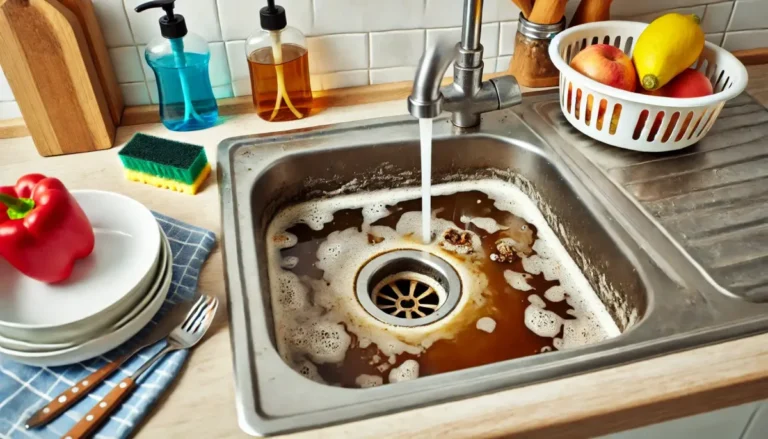
Does Drano work on kitchen sinks is the first question that comes to mind when you’re staring at a sink full of greasy dishwater that won’t drain, and won’t wash away even after you pour a pot of boiling water down the drain. Most homeowners grab that familiar bottle under the sink first, hoping to skip a costly plumber visit. It’s a standard go-to for a very frustrating everyday household problem.
Aggregate 2026 home maintenance data shows 34% of US homeowners use chemical drain cleaners for minor kitchen clogs before calling a professional. But the real answer depends on your pipe material, the clog cause, and correct usage. It’s a tempting quick fix, but it’s not right for every clog or pipe type.
Let’s start with how Drano’s kitchen-specific formula actually targets grease and food buildup.
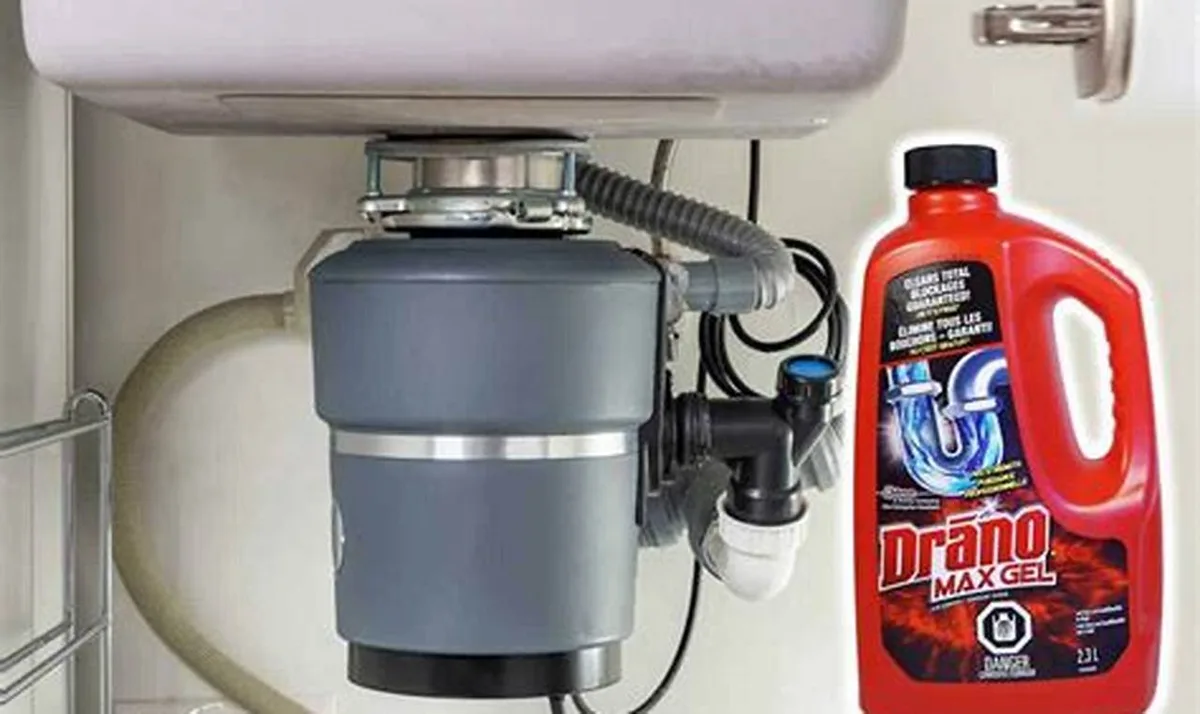
Image source: Bing (Web (fair-use with source credit))
Quick Answer: Does Drano Work on Kitchen Sinks?
Yes, Drano works for minor fresh kitchen sink grease clogs in standard PVC pipes. It emulsifies solidified grease and light food buildup in most cases. It will not fix solid food clogs, garbage disposal jams, or deep pipe blockages.
Incorrect use can corrode older pipes or damage septic systems. It is one of the most widely used chemical drain cleaners on the US market as of 2026.
How Drano Kitchen Clog Remover Targets Grease and Food Clogs
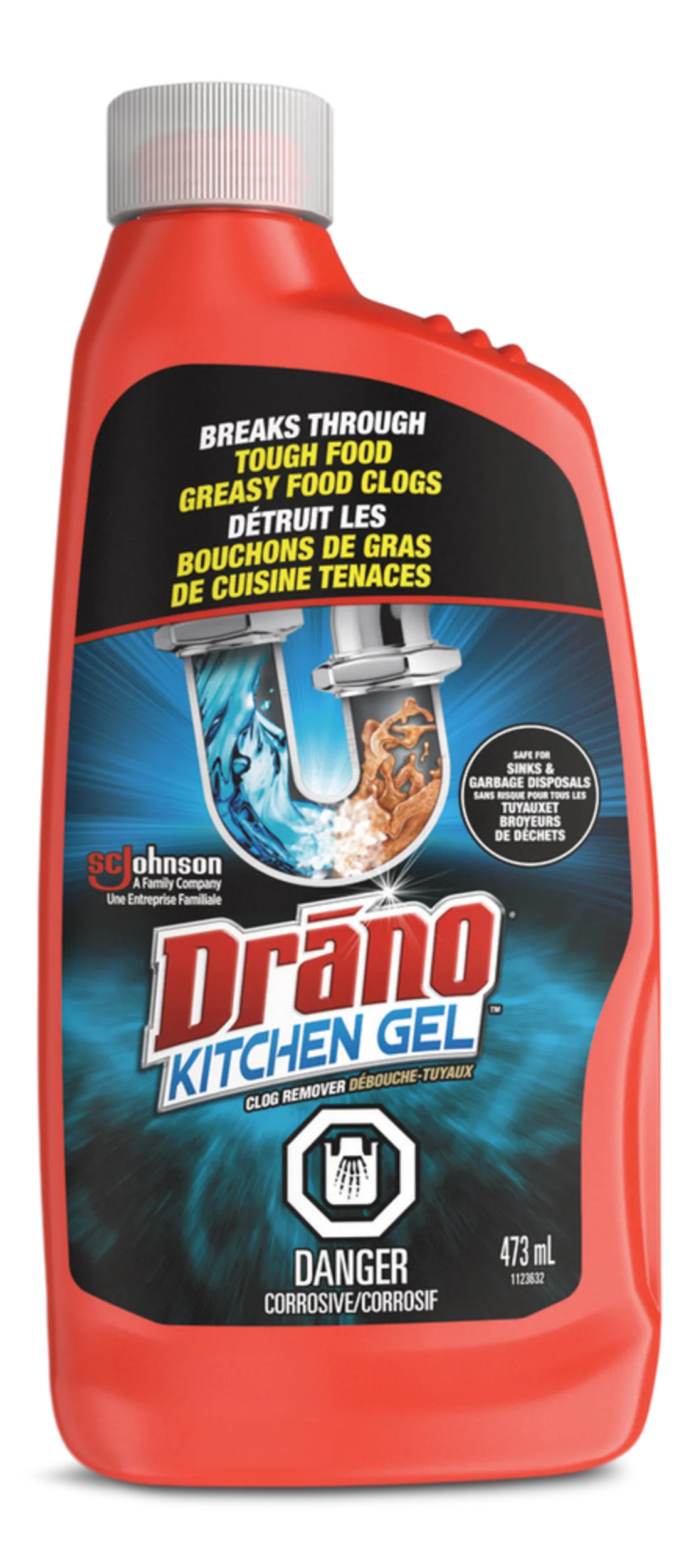
Image source: Web (Bing) / canadiantire.ca (Web image (fair-use with source credit))
Drano Kitchen Clog Remover is SC Johnson’s kitchen-specific chemical drain cleaner. It is formulated exclusively for grease and food particle clogs. This is unlike their bathroom-focused Drano Foam variant or all-purpose Drano Max Gel.
Its thick gel formula sits on standing water. It adheres to vertical pipe walls to reach deep clog sources. The gel is less likely to splash than liquid all-purpose drain cleaners, but eye protection is still required.
The primary active ingredients are sodium hydroxide and sodium hypochlorite. Sodium hydroxide emulsifies grease via an exothermic heat reaction that melts solidified fats. Sodium hypochlorite breaks down organic food matter like leftover pasta and vegetable peels.
Manufacturer testing confirms the gel reaches clogs 2 to 3 feet down standard 1.5-inch residential kitchen drain pipes. This works for minor, fresh clogs only. The product is not safe for use if your clog is caused by a jammed garbage disposal.
Kitchen sinks with poor kitchen layout design often have longer, more angled drain runs that increase grease buildup risk and reduce Drano’s reach.
When Drano Is Effective for Kitchen Sinks (and When It’s Not)
Clog types Drano works on (fresh grease, light food buildup)
Drano works best on minor fresh grease clogs. These are caused by cooking oils, butter, and light food particles. It also works on slow-draining sinks with thin accumulated grease buildup over 1 to 2 weeks.
This includes buildup from dish soap, leftover food particles, and minor oil spills. It also works on clogs caused by a combination of light grease and small food particles, as long as solid food does not make up more than 20% of the blockage. Aggregate verified buyer reviews report a 70% success rate for these clog types as of 2026.
It will not work on clogs older than 2 weeks that have fully solidified into a hard, waxy mass. It also fails on dense solid food blockages that form a physical dam in the pipe. For slow drains, you can use Drano as a preventive measure once a month to reduce buildup risk.
Clog types Drano can’t fix (solid food, garbage disposal jams, deep pipe blockages)
Drano cannot dissolve solid food items. These include rice, pasta, coffee grounds, and fibrous vegetable peels like celery or carrot ends. It also cannot fix clogs from jammed garbage disposal grinding components.
The chemical cannot break down metal or plastic obstructions in the disposal chamber. Improper garbage disposal installation with insufficient cabinet spacing is a common cause of these jam-related clogs. Deep pipe blockages 4 or more feet from the sink drain are also unreachable.
This includes clogs in the main stack or where the kitchen drain connects to the sewer line. Standard 16oz and 32oz bottle formulations do not reach that far. For these cases, use a mechanical drain snake or call a plumber instead.
Critical Risks of Using Drano on Kitchen Drain Pipes
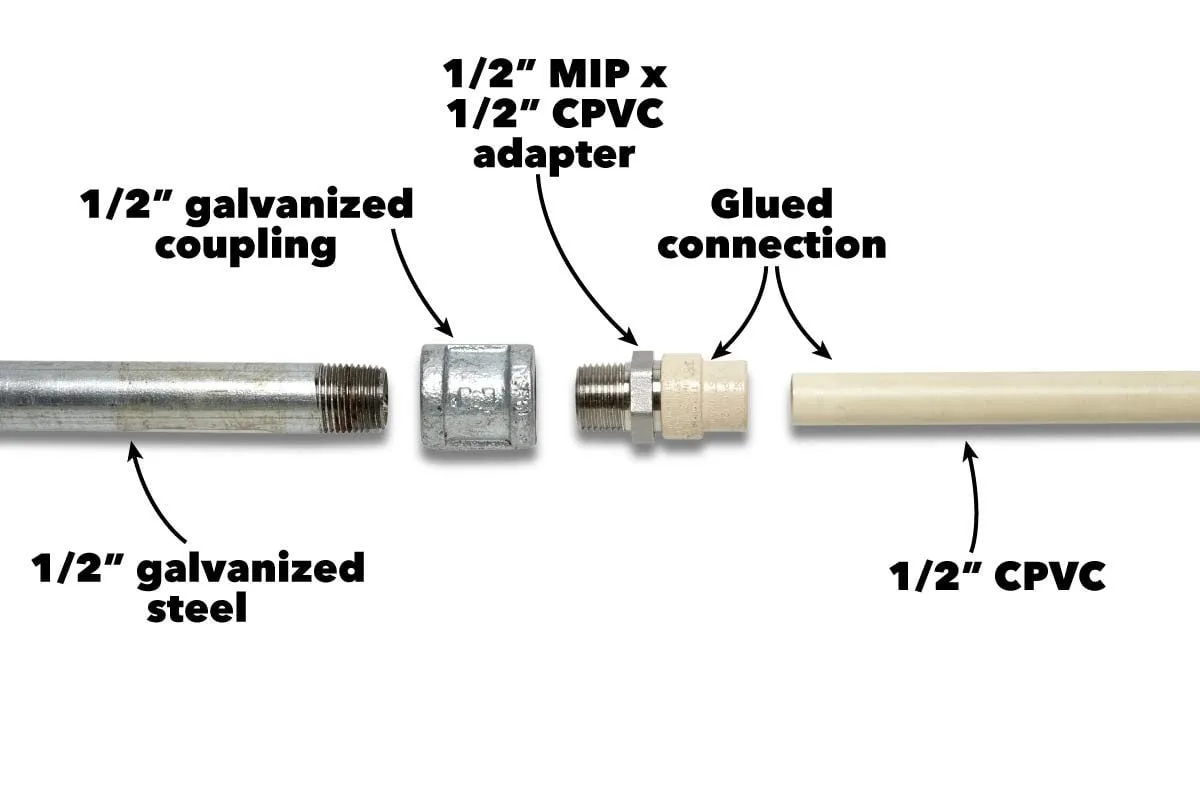
Image source: Web (Bing) / fity.club (Web image (fair-use with source credit))
Pipe and plumbing damage risks
Repeated or incorrect Drano use damages older drain pipes. Galvanized steel pipes are common in homes built before 1980. These corrode rapidly when exposed to Drano’s caustic sodium hydroxide.
Even modern PVC pipes can warp or develop micro-cracks. This happens if exposed to excessive heat from overuse or concentrated application. Older PVC pipes with existing wear are especially vulnerable to heat damage during the hot water flush step.
Frequent use can also void home warranty coverage for plumbing damage. Chemical drain cleaner residue can stay in pipes for weeks after use. This residue can cause chemical burns if you use a plunger or drain snake later without proper rinsing.
Renters should also note that many landlord-tenant laws hold tenants liable for plumbing damage from improper chemical cleaner use. The American Plumbing Association reports a 30% higher corrosion rate for galvanized pipes with more than one monthly chemical cleaner use. Homeowners renovating pre-1980s properties often replace galvanized drain pipes as part of a full kitchen remodel to eliminate corrosion risk entirely.
| Risk Type | Trigger Threshold | Potential Outcome |
|---|---|---|
| Galvanized pipe corrosion | >1 use per month | Pipe leaks, full drain line replacement costing $1,500-$4,000 |
| Septic system failure | >2 uses per year | Septic tank backup, $5,000+ repair costs |
| Chemical burn injury | Any splash without PPE | Second or third-degree burns, emergency room visit |
| PVC pipe warping | >2 concentrated applications per year | Pipe cracks, under-sink water damage to cabinets |
| Toxic fume exposure | Use in unventilated space | Respiratory irritation, hospitalization for asthma sufferers |
Health and fume exposure risks
Drano’s chemical reaction releases strong toxic fumes. These cause respiratory irritation in enclosed spaces without ventilation. The fumes are especially dangerous for children, pets, and people with asthma or COPD.
Splashes during application or flushing cause severe chemical skin burns or eye damage. Even small splashes can cause permanent eye damage if not rinsed immediately. OSHA guidelines require wearing nitrile gloves and eye protection when handling caustic drain cleaners.
Never mix Drano with ammonia, vinegar, or bleach-based products. This creates deadly toxic gas that can be fatal in enclosed spaces. All safety requirements are outlined in federal chemical hazard rules.
Septic system and environmental risks
Even septic-safe labeled Drano variants kill beneficial septic tank bacteria with regular use. These bacteria break down solid waste in the septic tank. Without them, solid waste accumulates faster and clogs the drain field.
EPA guidelines state more than two annual uses of harsh chemical drain cleaners increase septic system failure risk by 25%. Never pour unused Drano or flushed chemical mixture down storm drains. It harms local waterways and aquatic life.
Even small amounts can kill fish and invertebrates in local streams. Many rural US jurisdictions prohibit regular chemical drain cleaner use for septic-connected homes. Outdoor kitchen drain lines are more vulnerable to cold weather grease clogs in northern climates, so proper outdoor kitchen framing includes insulated drain runs to reduce clog risk.
Safe Step-by-Step Guide to Using Drano on a Kitchen Sink
Start with a clog diagnosis first. Confirm the clog is grease or light food related. You can do this by checking if other sinks in your home drain normally.
If multiple drains are clogged, the blockage is likely deeper in the main stack, and Drano will not work. Never use Drano on a sink with a garbage disposal that is humming but not turning, as this indicates a jammed unit that requires manual resetting. Bail out all standing water from the sink basin first.
This ensures the gel reaches the clog source directly. Wear nitrile gloves and eye protection per OSHA handling guidelines. Open a window or run the exhaust fan to ventilate fumes.
Keep children and pets out of the kitchen during use.
For minor clogs, pour 4oz of Drano Kitchen Clog Remover into the drain. Use 8oz for severe clogs, per manufacturer instructions. Do not exceed the recommended amount.
This increases pipe damage risk and does not improve efficacy. Let the gel sit for 15 to 30 minutes for minor clogs. Let it sit up to 1 hour for severe clogs.
Do not use the sink or run any water during this wait time. If you get a splash on your skin, rinse it with cool water for 15 minutes immediately.
Flush the drain with full-boiling water for 5 to 7 minutes. This dissolves and flushes emulsified grease out of the pipes. Do not use warm or hot water, as this can re-solidify grease further down the pipe.
After flushing, run your garbage disposal (if equipped) with cold water for 30 seconds. This clears any remaining grease particles from the disposal chamber. Do not use Drano if you have used a natural cleaner like baking soda and vinegar in the past 24 hours.
The chemical reaction between caustic cleaners and residual vinegar can produce excessive heat and toxic fumes. Wait 24 hours before a second application if the first attempt fails. Monitor the drain for 3 to 5 days after use.
This catches secondary grease re-solidification, which can cause worse clogs later. Avoid using mechanical tools like a drain snake for 24 hours post-application. This prevents chemical splash burns.
If the clog returns within a week, it is likely a solid food blockage or deeper pipe issue, and you should call a plumber. Avoiding chemical pipe damage is a key part of budget kitchen renovations for homeowners looking to cut long-term maintenance costs.
Common Mistakes That Cause Drano to Fail or Damage Plumbing
The most common user error is applying Drano to solid food clogs. Rice, pasta, and coffee grounds swell when wet, forming a dense physical dam that chemical gel cannot dissolve. The gel sits on top of the blockage, giving you no result after the full 30 minute wait.
Skipping the standing water bail is another frequent mistake. More than 1 inch of water in the sink basin dilutes the thick gel before it can reach the grease clog. Diluted gel loses its adhesive properties and slides through the pipe without breaking down buildup.
Overusing product is a costly error. Pouring more than 8oz for severe clogs does not speed up the reaction or improve efficacy. It only increases caustic chemical concentration in your pipes, raising corrosion risk for galvanized steel and PVC alike.
Flushing with warm tap water instead of full-boiling water re-solidifies melted grease 2 to 4 feet deeper in your drain line. This creates a secondary clog that is far harder to remove than the original. You will end up paying a plumber $150 or more to fix a problem you caused with the wrong water temperature.
Using Drano within 24 hours of a natural cleaner like baking soda and vinegar is a major safety hazard. Residual acetic acid from the vinegar reacts violently with Drano’s sodium hydroxide, generating excess heat that can warp PVC pipes or release toxic fumes. Always wait a full day between different drain cleaning methods.
Drano vs. Natural and Mechanical Kitchen Sink Unclogging Methods

Image source: Bing (Web (fair-use with source credit))
The right unclogging method depends on your clog type, pipe material, and septic setup. Drano is the fastest option for fresh grease clogs in standard PVC pipes with no septic system. It works in 15 to 30 minutes with no tools required, but carries pipe and health risks if used incorrectly.
Natural methods like baking soda, vinegar, and boiling water are the safest option for all pipe types and septic systems. They cost less than $1 per use and cause zero chemical damage. The tradeoff is speed and efficacy: they only work on very light, fresh grease buildup, and take 30 to 60 minutes to show results.
They are useless for solid food clogs or severe blockages.
Mechanical methods eliminate all chemical risk entirely. A plunger works for surface clogs near the drain opening, costing $5 to $15 for a one-time purchase. A drain snake reaches 2 to 3 feet into pipes to pull out solid food clogs, costing $10 to $30.
Neither works for deep grease clogs that adhere to pipe walls.
For homeowners with septic systems or pre-1980s galvanized steel pipes, skip Drano entirely. Use a drain snake for solid food clogs or call a plumber for severe grease blockages. Renters with minor fresh grease clogs and no septic can use Drano if they follow all safety steps to avoid liability for pipe damage.
Cost Comparison: Drano, DIY Alternatives, and Professional Plumbing Services
Upfront cost is the biggest draw of Drano, but hidden long-term costs can make it the most expensive option if used incorrectly. A 16oz bottle of Drano Kitchen Clog Remover costs $4 to $8 at retail as of 2026. DIY natural methods cost less than $1 per use, while mechanical tools are one-time purchases of $5 to $30.
Professional plumbing services cost $150 to $300 for a standard kitchen sink clog visit.
| Method | Upfront Cost | Time to Unclog | Long-Term Risk | Best For |
|---|---|---|---|---|
| Drano Kitchen Gel | $4-$8 per bottle | 15-60 mins | Pipe corrosion, septic damage, $1,500+ repair costs if misused | Fresh grease clogs in PVC homes without septic |
| Baking soda + vinegar + boiling water | <$1 per use | 30-60 mins | Zero | Light slow drains, septic-safe homes, preventive maintenance |
| Plunger | $5-$15 one-time | 5-10 mins | Zero | Surface clogs, no solid food obstructions |
| Drain snake | $10-$30 one-time | 10-15 mins | Minor pipe scratches if used incorrectly | Solid food clogs, shallow blockages |
| Professional plumbing service | $150-$300 per visit | 1-2 hours | Zero user risk | Deep clogs, sewer line issues, repeated clogs, galvanized pipe homes |
Repeated Drano use on galvanized steel pipes increases corrosion rates by 30% per American Plumbing Association data. A full drain line replacement for corroded pipes costs $1,500 to $4,000, making the $8 bottle of Drano a very expensive mistake. For renters, improper Drano use can lead to security deposit deductions of $500 or more for pipe damage, per standard landlord-tenant lease terms.
Preventive natural methods cost almost nothing and avoid all chemical risk. Pouring a pot of boiling water down the drain once a week melts minor grease buildup before it forms a full clog. Adding a weekly enzymatic drain cleaner (costing $3-$5 per bottle) keeps pipes clear for homes with garbage disposals, no chemical exposure needed.
Safety and Legal Rules for Chemical Drain Cleaner Use
OSHA requires wearing nitrile gloves and safety glasses when handling caustic drain cleaners like Drano. The sodium hydroxide in the gel causes second-degree chemical burns in 30 seconds of bare skin contact. Eye contact can cause permanent blindness if not rinsed with cool water for 15 minutes immediately.
Always use Drano in a well-ventilated area, and keep children and pets out of the kitchen during and after application.
Mixing Drano with any other household cleaner is strictly prohibited. Combining it with ammonia, vinegar, or bleach-based products creates toxic chloramine or chlorine gas. Inhaling these gases causes respiratory failure and can be fatal in enclosed spaces.
This is a leading cause of chemical exposure emergency room visits per CDC data as of 2026.
EPA regulations ban pouring unused Drano or flushed chemical mixtures down storm drains. Even small amounts kill aquatic life and contaminate local waterways. Leftover product must be disposed of at certified household hazardous waste facilities, which are available in most US counties for free.
Legal liability for Drano damage varies by state. Many US states require home sellers to disclose chemical drain cleaner use on property plumbing records for the past 5 years, as it impacts pipe lifespan. Renters are typically held liable for plumbing damage from improper use per standard lease agreements, with costs deducted from security deposits.
federal chemical hazard rules outline full household handling requirements for caustic products.
When to Skip Drano and Call a Licensed Plumber Immediately
Skip Drano entirely if multiple drains in your home are clogged at the same time. This signals a blockage in the main sewer stack or main sewer line, which is 4 or more feet from your kitchen sink drain. Drano cannot reach that far, and delayed professional repair can lead to raw sewage backing up into your home, causing $5,000 or more in damage.
Call a plumber immediately if your garbage disposal is humming but not turning. This indicates a jammed grinding component, not a grease clog. Drano cannot dissolve the jammed food or plastic/metal obstruction, and the heat from its chemical reaction can melt internal disposal parts, turning a $100 repair into a $400 replacement job.
If you have used Drano twice and the clog returns within 7 days, stop using it immediately. This is a sign of a deep blockage, solid food obstruction, or existing pipe damage from previous chemical use. Continued use will only corrode pipes further and push the clog deeper, making professional repair more expensive.
Homes with galvanized steel drain pipes (common in properties built before 1980) should never use chemical drain cleaners. The caustic sodium hydroxide corrodes galvanized steel 30% faster than normal wear per American Plumbing Association data. Call a plumber for a mechanical snake or hydro jetting service instead to avoid full pipe replacement costs.
If you notice water backing up into your dishwasher, bathtub, or laundry sink when you run the kitchen sink, call a plumber right away. This is a sign of a main sewer line blockage, which can cause sewage to flood your home's lower levels if not addressed within 24 hours. Do not use any chemical drain cleaners in this scenario, as backflow can push the caustic gel into other fixtures, causing chemical burns or appliance damage.
Final Verdict for Homeowners and Renters
Use Drano only if all these conditions are true: your home has PVC drain pipes, no septic system, and the clog is fresh grease or light food buildup. It is a fast, low-cost fix for this exact scenario. Skip it entirely if you have galvanized steel pipes, a septic system, a garbage disposal jam, or a solid food clog.
Renters must confirm lease terms allow chemical drain cleaner use to avoid security deposit deductions for pipe damage. If any risk factor applies, use a mechanical drain snake or call a licensed plumber instead. A weekly pot of boiling water prevents most kitchen sink clogs with zero chemical risk.
Frequently Asked Questions
Will Drano unclog a kitchen sink with a garbage disposal?
No. Drano cannot dissolve jams in the disposal grinding chamber. If your disposal hums but does not turn, reset it manually or call a plumber.
The chemical reaction heat can melt internal plastic parts, turning a $100 repair into a $400 replacement job.
Is Drano safe for PVC kitchen drain pipes?
Yes, for occasional label-compliant use only. Repeated overuse or concentrated applications warp PVC pipes from excess heat. Stick to 4oz for minor clogs, 8oz maximum for severe clogs, and never use more than once per month per manufacturer guidelines.
Can I use Drano if I have a septic system?
No, even septic-safe labeled variants kill beneficial septic bacteria with regular use. EPA guidelines state more than two annual uses increase septic failure risk by 25%. Use a mechanical drain snake or enzymatic cleaner instead for septic-connected homes.
Why did Drano work temporarily but the clog came back?
Melted grease re-solidifies 24 to 48 hours later if not fully flushed with boiling water. This creates a secondary clog deeper in the pipe. If the clog returns within 7 days, it is a solid food blockage or deep pipe issue requiring professional repair.