How to Unclog a Clogged Kitchen Sink Fast: 7 Easy DIY Fixes
You’re staring at standing water in your kitchen sink, dinner dirty in the strainer, and no drain in sight. Figuring out how to clean clogged kitchen sink doesn’t have to mean waiting hours for a plumber or dousing pipes with harsh chemicals that risk damage. Most clogs fall into three common, easy-to-fix categories you can troubleshoot yourself in minutes.
The right first step depends entirely on what’s blocking your drain.
Aggregate 2026 plumber pricing data shows a standard sink clog service call runs $150 to $300, a cost most homeowners can avoid with basic tools. Before you grab a chemical drain cleaner, use our 2-minute diagnosis to identify your clog type and pick the safest, most effective fix for your setup.
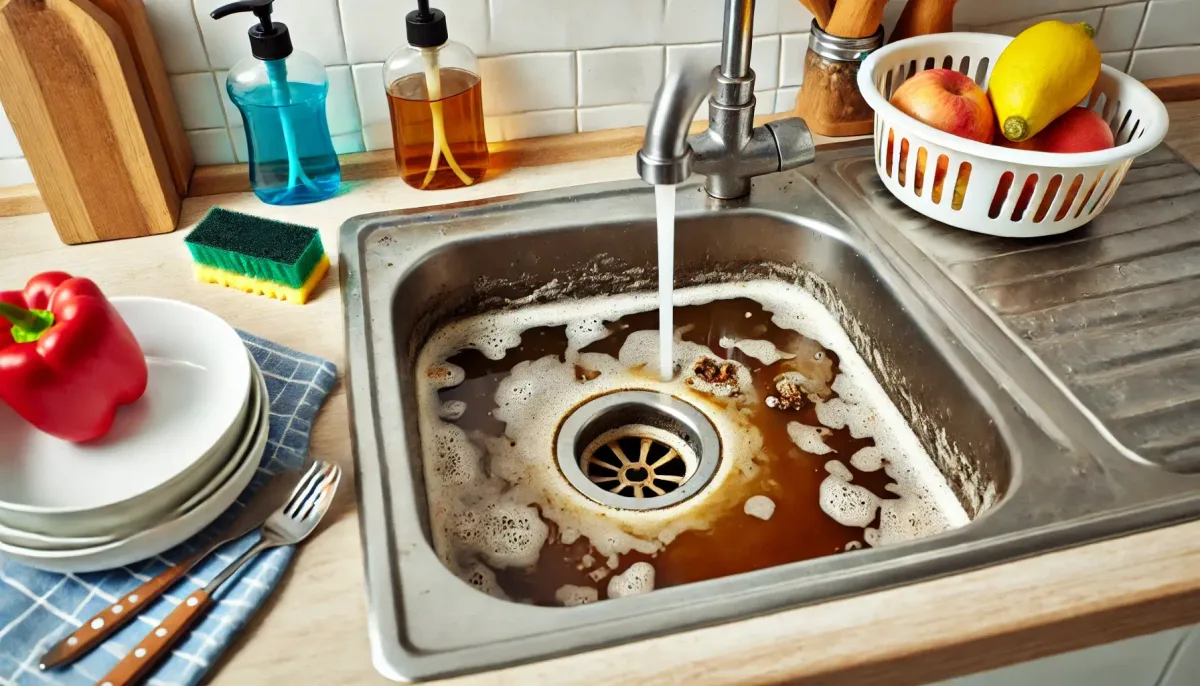
Image source: Web (Bing) / unblockers.net (Web image (fair-use with source credit))
Quick Answer
To clean a clogged kitchen sink, first identify where the clog sits. Is the issue in your garbage disposal, P-trap, or deeper drain line? Use a flange plunger or baking soda and vinegar for minor surface buildup.
Remove and clear the curved P-trap pipe under your sink for the most common clogs. Avoid harsh chemical drain cleaners if you have a septic system or PVC pipes. Call a licensed plumber for recurring clogs or main line blockages.
Why Your Kitchen Sink Is Clogged (Common Causes At A Glance)
Kitchen sink clogs almost always fall into four predictable categories, each requiring a different fix. Grease and cooking fat solidify as they cool, sticking to pipe walls and trapping food scraps. Starchy foods like rice and pasta expand in water to form dense, glue-like blockages.
Small foreign objects like utensils, packaging pieces, or hair can lodge directly in the P-trap, the curved pipe section required by the International Plumbing Code (IPC) to block sewer gas entry. If you have a garbage disposal, a jammed motor or overfilled grinding chamber can also stop water flow entirely. If you’re planning a full kitchen renovation, upgrading to a larger 1.5 inch drain line can reduce future clog risk.
| Clog Type | Common Cause | DIY Fix Difficulty | Time to Resolve |
|---|---|---|---|
| Grease/fat buildup | Cooking fat solidifies on pipe walls | Easy | 5-15 minutes |
| Food scrap accumulation | Starchy foods/coffee grounds form dense blockages | Easy | 10-20 minutes |
| Foreign object blockage | Utensils/hair lodge in P-trap | Moderate | 15-30 minutes |
| Garbage disposal jam | Overfilled grinding chamber/tripped reset | Easy | 2-5 minutes |
The most common causes include:
- Grease and fat buildup: Cools and hardens on pipe walls, trapping food particles
- Food scrap accumulation: Starchy foods and coffee grounds form dense, water-expanded clogs
- Foreign object blockages: Utensils, packaging, or hair lodge in the P-trap or drain line
- Garbage disposal jams: Overfilled grinding chamber or tripped overload stops drainage
2-Minute Clog Diagnosis: Pinpoint Your Exact Problem
Start with two 30-second checks to narrow down your clog type in under two minutes. First, test if only your kitchen sink is affected, or if multiple drains in your home are slow: a single slow drain points to a localized clog, while multiple slow drains signal a deeper main line issue. Second, check if you have a garbage disposal installed, as jams there mimic full sink clogs.
If water backs up into the sink when you run the disposal, the clog is almost always in the disposal or the short drain line leading from it. If water drains slowly even with the disposal off, the blockage is likely in the P-trap, the curved 1.25 or 1.5 inch pipe section directly under your sink. For full standing water that doesn’t drain at all, check if the P-trap is completely blocked first before moving to deeper line troubleshooting.
If you’re working with a custom cabinet setup, make sure your P-trap access panel is removable for easy troubleshooting.
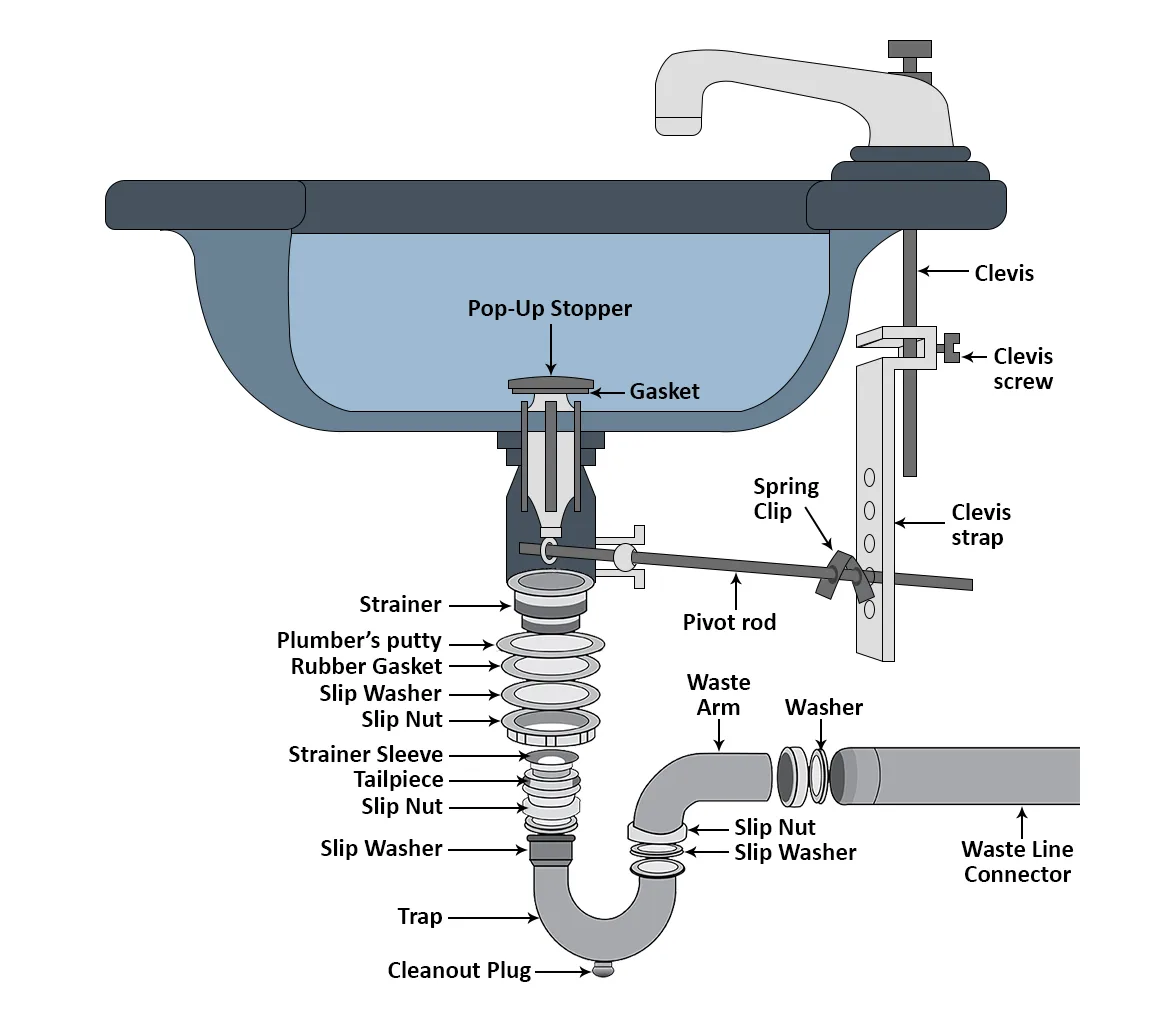
Image source: Web (Bing) / storage.googleapis.com (Web image (fair-use with source credit))
Branch 1: Unclog a Jammed Garbage Disposal (If You Have One Installed)
Garbage disposals are standard in most modern kitchen setups, installed during kitchen remodels to handle food waste. If your diagnosis points to a disposal jam, follow these steps to restore drainage safely. First, cut power to the disposal at the wall switch or circuit breaker to avoid injury from spinning grinding blades, per U.S.
Consumer Product Safety Commission (CPSC) guidelines. Locate the small red reset button on the bottom of the disposal unit; press it firmly if it’s popped out, as this indicates a tripped overload protector. If the reset doesn’t work, insert the included disposal wrench into the center hole at the bottom of the unit and rotate it back and forth to free jammed grinding components.
Once the blades move freely, restore power and run cold water while testing the disposal. Never insert your hands into the disposal even when power is off, and avoid pouring corrosive chemical drain cleaners into the unit, as these corrode metal grinding components and void most manufacturer warranties.
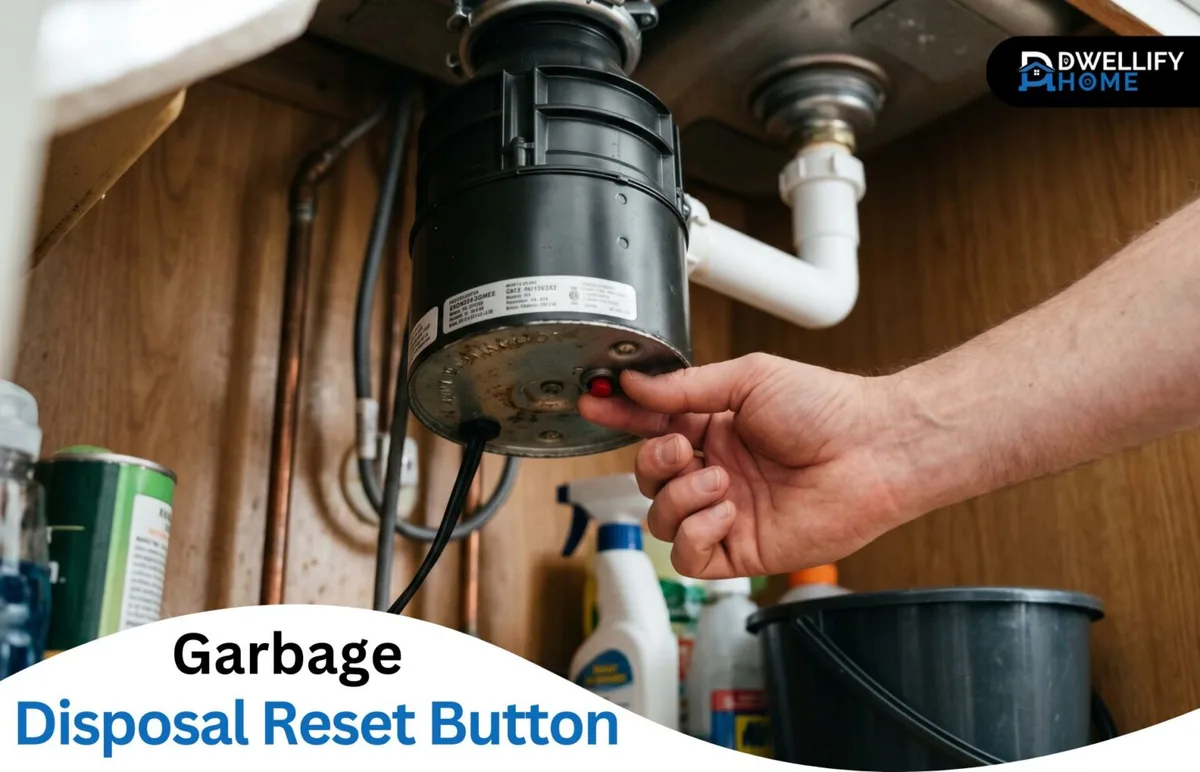
Image source: Web (Bing) / dwellifyhome.com (Web image (fair-use with source credit))
Branch 2: Clear a P-Trap Clog (Most Common Sink Clogs)
Roughly 70% of residential kitchen sink clogs occur in the P-trap, per National Association of Home Builders (NAHB) plumbing data, making this the most common fix for slow or backed-up sinks. This is especially common in small kitchen layouts where pipe access is tight and debris builds up faster. Start by placing a small bucket under the P-trap to catch standing water and debris.
Use an adjustable wrench to loosen the two slip nuts connecting the P-trap to the drain tailpiece and wall pipe, then carefully pull the curved P-trap section free. Empty the trapped food, grease, and debris into the bucket, then scrub the P-trap with warm soapy water and a small brush before reattaching it. Tighten the slip nuts by hand first, then give them a quarter turn with a wrench to avoid leaks, then run water to test drainage.
If water still drains slowly after clearing the P-trap, the clog lies deeper in the drain line.
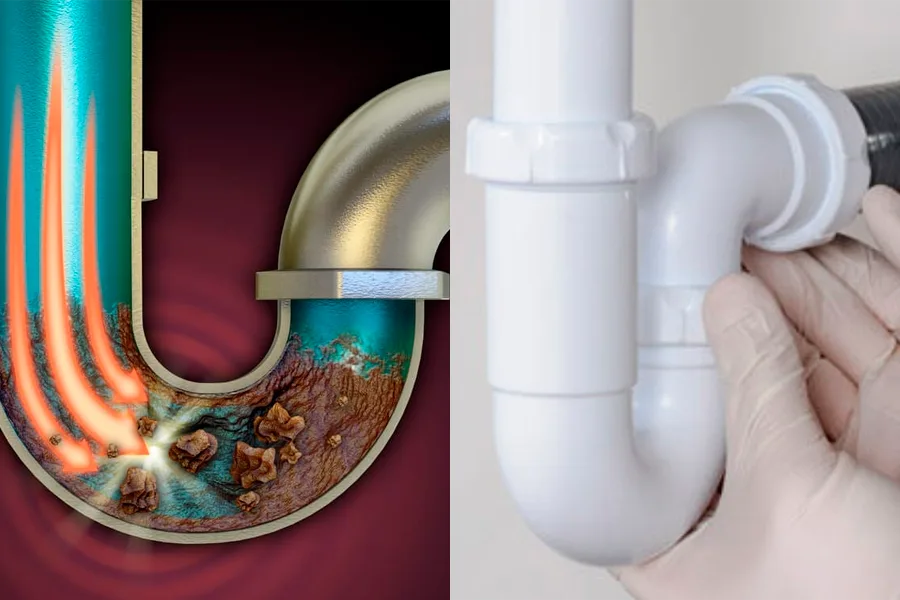
Image source: Bing (Web (fair-use with source credit))
Branch 3: Unclog Deeper Kitchen Drain Line Clogs
If your P-trap is clear and the garbage disposal is working, but water still drains slowly or backs up, the clog sits deeper in the 1.5 inch main kitchen drain line. For clogs within 5 to 10 feet of the sink opening, a 25 foot manual drain snake works well for budget-friendly DIY repairs before calling a professional. Feed the flexible steel cable into the drain, rotating the crank handle to grab debris, then pull the cable out to remove the blockage.
Avoid forcing the snake past resistance, as this can crack PVC pipes or damage older galvanized steel lines common in pre-1970s homes. If snaking doesn’t resolve the clog, or if multiple drains in your home are affected, call a licensed plumber for a camera inspection and hydro-jetting service. Never use corrosive chemical drain cleaners if you have a septic system, as the lye or sulfuric acid base kills the beneficial bacteria required for septic function, per U.S.
Environmental Protection Agency (EPA) guidelines.
Choose The Right Unclogging Method For Your Home Setup
Picking the wrong unclogging method can turn a minor 10-minute fix into a $500 pipe repair. Your best choice depends on three key variables: your pipe material, whether you have a septic system, and the clog’s location. Use this quick reference to match your setup to the safest, most effective method.
| Unclogging Method | Best For | Avoid If You Have | Average Time |
|---|---|---|---|
| Flange plunger | Minor surface clogs in all sink types | Deep main line clogs | 5-10 minutes |
| Baking soda + vinegar | Grease and light food buildup | Severe foreign object clogs | 15-30 minutes |
| Manual drain snake | P-trap or shallow drain line clogs | PVC pipes under 1.5 inches diameter | 10-20 minutes |
| Corrosive chemical drain cleaner | Metal pipe systems without disposals or septic | Septic systems, PVC pipes, garbage disposals | 15-30 minutes |
| Enzymatic drain cleaner | Septic system owners, monthly maintenance | Immediate clog removal needs | 4-24 hours |
Natural non-toxic methods work best for minor grease and light food buildup, with zero risk to pipes or septic systems. A flange plunger creates a tight seal on sink drain openings to dislodge surface clogs in under 10 minutes for most users. Manual drain snakes are ideal for P-trap clogs with visible food debris, as they grab and pull out solid blockages without chemical risk.
Corrosive chemical drain cleaners work fast for metal pipe systems without disposals or septic connections, but they carry high risk of pipe corrosion and toxic fume exposure. We only recommend these as a last resort for homes with copper or galvanized steel pipes and no garbage disposal. If you have PVC pipes, a septic system, or a garbage disposal, skip chemical cleaners entirely to avoid costly damage.
For homes with modern kitchen designs that use plastic piping, natural methods are the only safe option.
Critical Mistakes To Avoid (Prevent Pipe Damage or Costly Repairs)
Small unclogging errors can cause thousands of dollars in water damage or pipe replacement. Avoid these common pitfalls to keep your repair low-cost and safe.
- Pouring boiling water down PVC or ABS pipes: Boiling water (212°F / 100°C) exceeds the 140°F max heat tolerance of PVC slip nuts and seals, causing warping and leaks. Use hot tap water (max 140°F) for plastic pipe systems.
- Using chemical drain cleaners in garbage disposals: Corrosive lye or sulfuric acid in these cleaners eats through metal grinding components, voids disposal warranties, and can cause toxic splashes when the unit is turned on, per U.S. Consumer Product Safety Commission guidelines.
- Using a toilet plunger on a sink drain: A standard toilet plunger’s large, round cup doesn’t seal properly on sink drain openings, so you’ll get minimal suction and won’t dislodge the clog.
- Forcing a drain snake past resistance: Pushing a manual snake too hard can crack PVC pipes or puncture older galvanized steel lines common in pre-1970s homes. Stop rotating and pulling if you feel hard resistance.
- Mixing multiple drain cleaning products: Combining chemical drain cleaners with vinegar, bleach, or other cleaning agents creates toxic chlorine gas or explosive reactions. Use only one product at a time.
Decision Guide: When To Skip DIY And Call A Professional Plumber
Some clogs are too risky or complex to fix yourself, and waiting can lead to far higher repair costs. As of 2026, average plumber rates for sink clog repairs run $150 to $300 per visit, but ignoring a serious clog can cost thousands in water damage.
If you notice any of these red flags, skip DIY and call a licensed plumber immediately. Multiple slow or clogged drains across your home signal a main line blockage, not a localized sink issue. Water backing up into your bathtub, shower, or toilet when you run the kitchen sink means the clog is deep in your sewer line, not in your sink drain.
A raw sewage smell from your drains is a sign of a broken sewer line or missing P-trap seal, which requires professional repair to avoid health risks. If you’ve cleared the P-trap and snaked the drain but the clog returns within a week, there’s likely a deeper obstruction or pipe damage that DIY tools can’t reach. Visible cracks, corrosion, or leaks in exposed drain pipes under your sink also require professional replacement to prevent water damage to your kitchen cabinetry.
For main line clogs or severe pipe damage, plumbers use specialized equipment like sewer cameras and hydro-jetting that’s not available for DIY use. If you’re planning a full kitchen remodel, have a plumber inspect your main drain line first to catch hidden issues before you install new fixtures.
Prevent Future Kitchen Sink Clogs: Long-Term Maintenance Tips
Most kitchen sink clogs are entirely preventable with 2 minutes of weekly maintenance. These habits reduce clog risk by roughly 70% per National Association of Home Builders data, saving you time and money on future repairs.
- Never pour cooking grease, oil, or fat down your sink drain: Let these solidify in a disposable container and throw them in the trash. Grease is the top cause of deep drain line clogs in residential homes, per EPA waste management data.
- Use a stainless steel drain strainer in your sink: This catches food scraps, coffee grounds, and small debris before they enter the drain. Empty the strainer into the trash or compost after each use.
- Flush your drain weekly with hot water and dish soap: Run hot tap water (max 140°F for PVC pipes) while squirting a pump of dish soap down the drain. The hot water melts minor grease buildup, and the soap cuts through grime.
- For septic system owners, use a septic-safe enzymatic drain cleaner once a month: These bacteria-based formulas break down organic waste without killing the beneficial bacteria in your septic tank and drain field, per U.S. Environmental Protection Agency guidelines.
If you’re designing a new kitchen layout, opt for a 1.5 inch drain pipe instead of the standard 1.25 inch size to reduce future clog risk, especially if you use your garbage disposal frequently. A larger diameter pipe allows more water and waste to flow through without trapping debris, cutting down on slow drain issues over time.
Frequently Asked Questions
Can I use Drano on a kitchen sink with a garbage disposal?
No. Corrosive chemical drain cleaners like Drano contain lye or sulfuric acid that corrode metal disposal grinding components and can cause toxic splashes when the disposal is turned on. Use a manual drain snake or disposal reset instead for jammed units.
Is it safe to pour boiling water down a kitchen sink?
Only if you have metal (copper or galvanized) pipes. Boiling water melts PVC and ABS drain pipe seals and slip nuts, causing leaks. Use hot tap water (max 140°F) for PVC systems, or let boiling water cool slightly before pouring.
How often should I clean my kitchen sink drain to prevent clogs?
Weekly flush with hot water and dish soap removes minor grease buildup. If you have a septic system, use a septic-safe enzymatic drain cleaner once a month to maintain healthy bacterial balance in your drain field, per EPA guidelines.
What’s the difference between a flange plunger and a toilet plunger for sink clogs?
A flange plunger has a small rubber cup extension that fits snugly into sink drain openings, creating a better seal for sink clogs. A standard toilet plunger has a larger, round cup designed for toilet bowls, which doesn’t seal properly on sink drains.
Can a clogged kitchen sink damage my cabinets?
Yes. Standing water from a backed-up sink seeps into particleboard cabinet bottoms, causing swelling, warping, and mold growth within 24 to 48 hours. Place a bucket under the P-trap immediately if you notice slow drainage to catch water before it spills.