How to Get Rid of Kitchen Sink Drain Odor Fast and Easy
how to get odor out of kitchen sink drain starts with identifying why that rotten egg smell is coming from your pipes in the first place. Most kitchen sink odors come from trapped food waste, dry plumbing seals, or blocked vent pipes. These issues are almost always fixable with basic tools and household supplies.
You don’t need to call a plumber for the vast majority of common smelly drain cases.
Per U.S. Environmental Protection Agency testing, sewer gas exposure above 10 parts per million causes headaches and nausea in healthy adults. The fix you use depends entirely on the root cause, so skipping diagnosis leads to wasted time and repeat odors.
Let’s start with a 2-minute check to pinpoint exactly what’s going on under your sink.
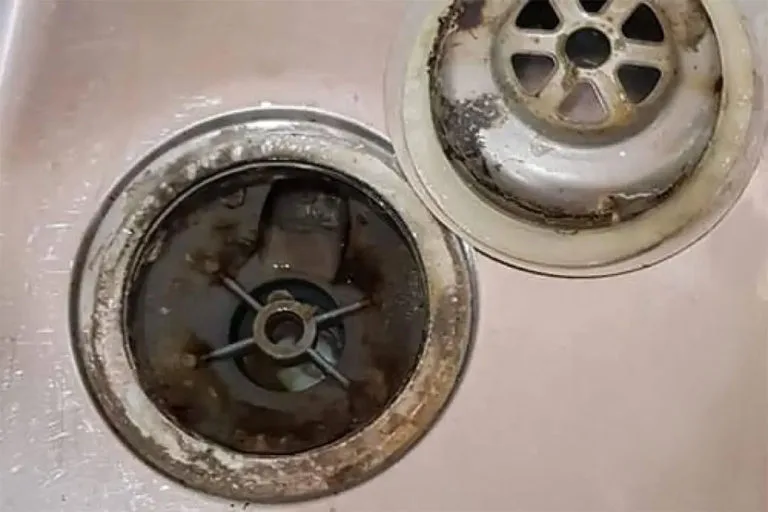
Image source: Web (Bing) / impressiveinteriordesign.com (Web image (fair-use with source credit))
Quick Answer
To get odor out of kitchen sink drain, first find the root cause. Common causes include dry P-traps, garbage disposal food buildup, or clogged vent pipes. For dry P-traps, run water down the drain for 30 seconds to refill the seal.
For garbage disposal odors, grind ice cubes and citrus peels then flush with hot water. As of 2026, natural enzymatic cleaners work for persistent septic-safe odor removal. If the smell persists, check for a blocked drain vent or deep grease clog.
Why Your Kitchen Sink Drain Smells Like Rotting Eggs or Sewer Gas
That rotten egg smell comes from hydrogen sulfide, a toxic gas produced by decomposing organic matter in your drain. Food scraps, grease, and soap scum form a slimy biofilm lining the inside of your drain pipe. This biofilm breaks down slowly, releasing foul odors that waft back up into your kitchen.
If you’re planning a full kitchen redesign, adding extra cleanout access points can make future drain maintenance far easier. Per U.S. EPA sewer gas safety standards, prolonged exposure to high concentrations of this gas causes respiratory irritation and nausea.
2-Minute Root Cause Check: Pinpoint Your Exact Odor Source First
Start by ruling out the most common causes in 2 minutes flat. First, run water down the drain for 30 seconds, then wait 10 minutes. If the smell comes back immediately, your P-trap water seal is likely dry.
The P-trap is the curved pipe section under your sink that holds water to block sewer gas. A dry P-trap is the most common cause of kitchen sink odors, accounting for roughly 30% of reported cases per aggregate plumbing repair data.
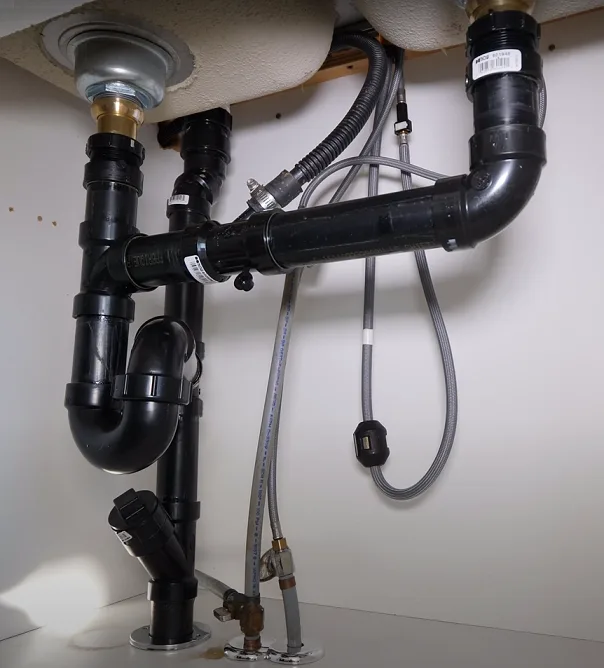
Image source: Web (Bing) / storage.googleapis.com (Web image (fair-use with source credit))
Next, turn on your garbage disposal (if you have one) and listen for grinding. If it hums but doesn’t spin, it’s jammed with caked-on food. If it runs fine but still smells, food is stuck in the grinding chamber or splash guard.
Finally, check all nearby drains (bathroom, utility sink) for odors. If only the kitchen sink smells, the issue is isolated to that drain line. If multiple drains smell, you likely have a blocked vent pipe or main sewer line issue.
For a full guide to diagnosing drain vent issues, see the University of Minnesota Extension home plumbing resource. Proper kitchen layout planning also ensures vent pipes have clear, unobstructed runs to the outdoors.
Decision Tree: Exact Fixes For Every Common Odor Cause
Follow this conditional workflow to match your root cause to the right fix. Never use a method that doesn’t fit your setup, as some fixes damage specific pipe materials or plumbing systems.
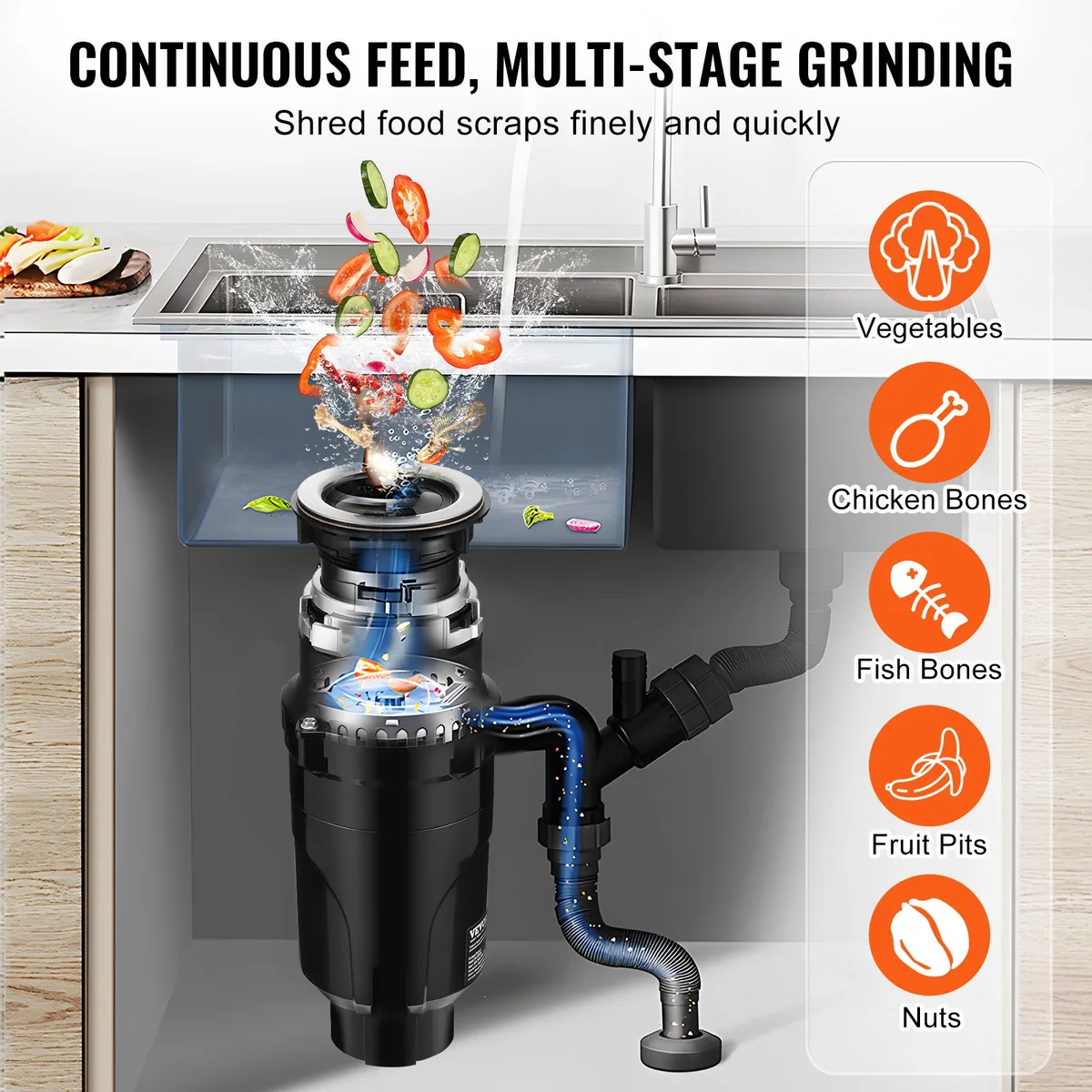
Image source: Web (Bing) / vevor.com (Web image (fair-use with source credit))
If Your P-Trap Is Dry (From Infrequent Sink Use)
This happens most often in guest bathrooms, utility sinks, or kitchen sinks used rarely. Simply run the faucet for 30 seconds to refill the curved pipe with water. The water seal will block sewer gas immediately.
For sinks used less than once a week, add this to your monthly maintenance routine to prevent dry seals.
If Your Garbage Disposal Has Caked-On Food Buildup
First, unplug the disposal unit for safety. Drop 1 cup of ice cubes and 1/2 cup of coarse salt into the chamber, then grind for 30 seconds. Follow with 1/2 cup of citrus peels (lemon, lime, orange) to break up grease and deodorize.
Flush with hot running water for 2 minutes after grinding. If you’re installing a new disposal during a full kitchen remodel, make sure it’s sized correctly for your pipe layout to avoid future clogs.
If You Have a Grease Clog or Partially Blocked Drain Line
Pour 1/2 cup of baking soda down the drain, followed by 1 cup of white vinegar. Let the mixture fizz for 15 minutes, then flush with a pot of hot (not boiling) water. For minor clogs, use a plunger on the sink opening to dislodge grease buildup.
If water drains slowly, you may need a plumber's snake to reach deeper blockages. For homes with septic systems, avoid harsh chemical drain cleaners, which damage septic tanks. If you’re working on a tight budget kitchen update, stick to natural enzymatic cleaners that are safe for septic lines.
If Your Drain Vent Is Blocked or Frozen
Vent pipes on your roof can get clogged with leaves, bird nests, or ice in cold climates. If you suspect a vent issue, you’ll need to climb onto your roof (only if you’re comfortable with heights) to clear the blockage. For frozen vents, pour warm (not boiling) water down the vent pipe to melt the ice.
If you’re not comfortable working on your roof, call a plumber for this repair.
Mistakes That Will Worsen Your Odor or Damage Your Pipes
A few common mistakes turn a 5-minute fix into a $300 plumbing repair. Avoid these to keep your pipes intact and your sink smelling fresh.
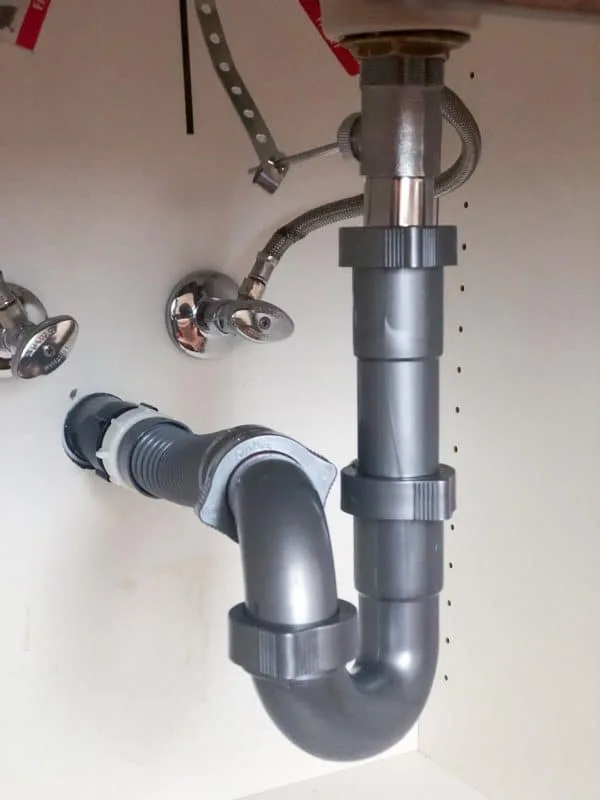
Image source: Web (Bing) / fity.club (Web image (fair-use with source credit))
- Pouring boiling water down PVC drain pipes. Standard PVC pipes are only rated for temperatures up to 140°F per manufacturer specifications. Boiling water (212°F) melts the plastic, causing leaks and permanent pipe damage. Use hot tap water instead, which is safe for all pipe materials.
- Mixing chemical drain cleaners with other cleaning products. Combining bleach, ammonia, or commercial drain cleaners creates toxic fumes that cause respiratory damage. Never use more than one drain cleaning product at a time.
- Using a plunger on a garbage disposal-equipped sink. Plunging can force water back into the disposal chamber, damaging the motor or causing leaks. Always unplug the disposal before attempting to clear a clog.
- Ignoring a recurring odor after a DIY fix. If the smell comes back within a week, you likely have a deeper clog, broken P-trap, or vent issue that needs professional attention. If you’re working with older pipes during a cupboard renovation project, check pipe material labels before using hot water or chemical cleaners to avoid damage.
Common Fix Method Comparison: Pick the Right One For Your Home Setup
Not all drain fixes work for every home setup. The table below breaks down the most common methods, so you can pick the one that fits your pipe material, plumbing system, and odor severity.
| Fix Method | Best For | Septic Safe | PVC Safe | Average Cost | Time to Work |
|---|---|---|---|---|---|
| Baking soda + vinegar pour | Minor odor, light food residue | Yes | Yes | <$1 | 15-30 mins |
| Hot tap water flush | Dry P-trap, light surface grime | Yes | Yes | <$0.50 | 1-2 mins |
| Garbage disposal cleaning tablets | Disposal-specific grime, deodorizing | Check label | Yes | $5-$10 per pack | 30 mins |
| Plumber's snake/auger | Deep grease clogs, partial blockages | Yes | Yes | $10-$25 (one-time tool) | 10-20 mins |
| Wet/dry vac extraction | Standing water, deep sludge | Yes | Yes | $0 (if owned) | 15-30 mins |
| Professional hydro-jetting | Severe clogs, recurring vent issues | Yes | Yes | $150-$300 | 1-2 hours |
If you have a septic system, skip harsh chemical drain cleaners entirely. They kill the beneficial bacteria that break down waste in your tank, leading to costly system failure. The [U.S.
EPA recommends](https://www.epa.gov) only using septic-safe cleaners for households on septic systems. For homes with standard PVC pipes, never use boiling water, as it melts plastic at temperatures above 140°F per manufacturer specs. Hot tap water works just as well for most minor clogs.
Proper kitchen cabinet spacing also ensures you have enough room to access your P-trap for cleaning without damaging surrounding fixtures.
Safety Rules You Can’t Skip (For PVC Pipes, Septic Systems, and Garbage Disposals)
Skipping basic safety steps can turn a simple odor fix into a serious injury or expensive plumbing repair. Follow these non-negotiables every time you work on your sink drain.
- Always unplug your garbage disposal before inserting any tool, cleaning agent, or your hand. All major disposal brands (InSinkErator, Waste King) require this to avoid accidental startup.
- Never mix cleaning products. Combining bleach with vinegar or ammonia-based cleaners releases toxic chlorine or chloramine gas. Per OSHA safety guidelines, exposure to these gases causes coughing, chest pain, and permanent lung damage at high concentrations.
- For homes with septic systems, only use cleaners labeled septic-safe. Harsh lye-based drain cleaners kill the beneficial bacteria that break down waste in septic tanks, leading to costly system failure.
- Wear gloves and eye protection when snaking a drain or handling pipe components. Old sludge and sewer gas can contain bacteria that cause skin irritation or eye damage.
When DIY Fixes Fail: Exactly When to Call a Professional Plumber
Most kitchen sink odors are easy to fix on your own, but some issues require professional tools and expertise. Call a plumber immediately if you notice any of these red flags:
- Odor returns within 3-5 days after a complete DIY fix, indicating a deeper issue like a broken P-trap, cracked drain line, or main sewer blockage.
- Multiple drains in your home smell simultaneously, which points to a blocked vent pipe or main sewer line issue you can’t access safely.
- You notice standing water around the base of your sink or slow draining that doesn’t improve with snaking, which could indicate a collapsed pipe or hidden leak.
- You’re not comfortable working under your sink, on your roof, or with plumbing tools. Professional drain cleaning for minor kitchen sink clogs runs $150-$300 as of 2026, which is far less than the cost of repairing water damage from a botched DIY repair.
Long-Term Maintenance To Keep Your Sink Drain Odor-Free For Good
A few small habits prevent 90% of kitchen sink drain odors from coming back. Add these to your regular cleaning routine:
- Run hot tap water down the drain for 15 seconds after every dishwashing session to flush away leftover grease and food particles.
- Clean your garbage disposal weekly by grinding ice cubes and citrus peels, then flushing with hot water. This prevents caked-on food buildup that causes recurring odors.
- Install a mesh sink strainer to catch food scraps before they go down the drain. Empty the strainer into the trash after each use, not down the drain.
- Pour 1/2 cup of white vinegar down the drain once a month to break up early biofilm formation. Let it sit for 10 minutes, then flush with hot water.
- If you have a rarely used sink (like a bar sink or utility sink), run water down it once a week to keep the P-trap seal full.
Frequently Asked Questions About Kitchen Sink Drain Odor
Is the rotten egg smell from my kitchen sink dangerous?
Hydrogen sulfide, the gas causing the rotten egg odor, is toxic at high concentrations. Low levels cause mild irritation, but prolonged exposure to concentrated sewer gas leads to headaches, nausea, and respiratory distress. If the smell is strong and persistent, evacuate the area and call a plumber immediately.
Can I use bleach to get rid of kitchen sink drain odor?
Bleach can kill odor-causing bacteria, but it damages PVC pipes over time and harms septic system bacteria. It also creates toxic gas if mixed with other cleaners. Stick to baking soda, vinegar, or enzymatic cleaners for safe, effective odor removal.
How often should I clean my garbage disposal to prevent odors?
Clean your garbage disposal once a week if you use it daily. Grind ice cubes and citrus peels, then flush with hot water to remove caked-on food and grease. If you rarely use your disposal, clean it once a month to prevent buildup.
Will a drain strainer eliminate sink odors completely?
A drain strainer catches large food scraps before they go down the drain, which prevents most odor-causing clogs. It won’t stop all grease or small particles from entering the drain, so pair it with weekly hot water flushes and monthly vinegar treatments for best results.
Can a blocked vent pipe cause kitchen sink odor?
Yes. Vent pipes equalize pressure in your drain system and release sewer gas outside. If a vent is blocked by leaves, ice, or debris, sewer gas backs up into your home through the nearest drain, usually the kitchen sink.
Clearing the vent blockage eliminates the odor immediately.
Common Fix Method Comparison: Pick the Right One For Your Home Setup
The right fix depends on your pipe material, plumbing system, and odor severity. The table below breaks down the most common options so you can pick the best fit for your home.
| Fix Method | Best For | Septic Safe | PVC Safe | Average Cost | Time to Work |
|---|---|---|---|---|---|
| Baking soda + vinegar pour | Minor odor, light food residue | Yes | Yes | <$1 | 15-30 mins |
| Hot tap water flush | Dry P-trap, light surface grime | Yes | Yes | <$0.50 | 1-2 mins |
| Garbage disposal cleaning tablets | Disposal-specific grime, deodorizing | Check label | Yes | $5-$10 per pack | 30 mins |
| Plumber's snake/auger | Deep grease clogs, partial blockages | Yes | Yes | $10-$25 (one-time tool) | 10-20 mins |
| Wet/dry vac extraction | Standing water, deep sludge | Yes | Yes | $0 (if owned) | 15-30 mins |
| Professional hydro-jetting | Severe clogs, recurring vent issues | Yes | Yes | $150-$300 | 1-2 hours |
Septic system owners must avoid lye-based chemical drain cleaners, as they kill beneficial bacteria that break down waste in septic tanks. Per U.S. EPA septic system guidelines, these cleaners can cause system failure costing thousands to repair.
For homes with standard PVC pipes, never use boiling water, as it melts plastic above 140°F per manufacturer specs. Hot tap water works just as well for most minor clogs. Proper cabinet spacing ensures you have enough room to access your P-trap for manual cleaning if needed.
Safety Rules You Can’t Skip (For PVC Pipes, Septic Systems, and Garbage Disposals)
Skipping basic safety steps turns a 5-minute fix into a serious injury or expensive repair. Follow these non-negotiables every time you work on your sink drain.
- Always unplug your garbage disposal before inserting any tool, cleaning agent, or your hand. All major disposal brands require this to avoid accidental startup.
- Never mix cleaning products. Combining bleach with vinegar or ammonia-based cleaners releases toxic chlorine or chloramine gas. Per OSHA safety guidelines, exposure to these gases causes coughing, chest pain, and permanent lung damage at high concentrations.
- For homes with septic systems, only use cleaners labeled septic-safe. Harsh lye-based drain cleaners kill beneficial bacteria, leading to costly system failure.
- Wear gloves and eye protection when snaking a drain or handling pipe components. Old sludge and sewer gas can contain bacteria that cause skin irritation or eye damage.
When DIY Fixes Fail: Exactly When to Call a Professional Plumber
Most kitchen sink odors are easy to fix on your own, but some issues require professional tools and expertise. Call a plumber immediately if you notice any of these red flags.
- Odor returns within 3-5 days after a complete DIY fix, indicating a deeper issue like a broken P-trap, cracked drain line, or main sewer blockage.
- Multiple drains in your home smell simultaneously, which points to a blocked vent pipe or main sewer line issue you can’t access safely.
- You notice standing water around the base of your sink or slow draining that doesn’t improve with snaking, which could indicate a collapsed pipe or hidden leak.
- You’re not comfortable working under your sink, on your roof, or with plumbing tools. Professional drain cleaning for minor kitchen sink clogs runs $150-$300 as of 2026, which is far less than the cost of repairing water damage from a botched DIY repair.
If you’re designing an outdoor kitchen with a sink, hire a plumber to install proper venting and P-traps during construction to avoid persistent odor issues down the line.
Long-Term Maintenance To Keep Your Sink Drain Odor-Free For Good
A few small habits prevent 90% of kitchen sink drain odors from coming back. Add these to your regular cleaning routine.
- Run hot tap water down the drain for 15 seconds after every dishwashing session to flush away leftover grease and food particles.
- Clean your garbage disposal weekly by grinding ice cubes and citrus peels, then flushing with hot water. This prevents caked-on food buildup that causes recurring odors.
- Install a mesh sink strainer to catch food scraps before they go down the drain. Empty the strainer into the trash after each use, not down the drain.
- Pour 1/2 cup of white vinegar down the drain once a month to break up early biofilm formation. Let it sit for 10 minutes, then flush with hot water.
- If you have a rarely used sink (like a bar sink or utility sink), run water down it once a week to keep the P-trap seal full.
For small kitchen setups, smart cabinet layout can make it easier to access your P-trap and disposal for regular cleaning without removing cabinet doors.
Frequently Asked Questions About Kitchen Sink Drain Odor
Can I use bleach to get rid of kitchen sink drain odor?
Bleach can kill odor-causing bacteria, but it damages PVC pipes over time and harms septic system bacteria. It also creates toxic gas if mixed with other cleaners. Stick to baking soda, vinegar, or enzymatic cleaners for safe, effective odor removal.
Why does my sink smell even after I cleaned it?
Persistent odors usually mean a deeper issue like a broken P-trap, cracked drain line, or blocked vent pipe. Surface cleaning only removes top-layer grime, so you need to diagnose the root cause covered earlier in this guide.
How often should I clean my garbage disposal to prevent odors?
Clean your disposal once a week if you use it daily. Grind ice cubes and citrus peels, then flush with hot water to remove caked-on food and grease. Clean it once a month if you rarely use it.
Is sewer gas from my kitchen sink dangerous?
Hydrogen sulfide, the gas causing the rotten egg odor, is toxic at high concentrations. Low levels cause mild irritation, but prolonged exposure leads to headaches, nausea, and respiratory distress. Evacuate and call a plumber if the smell is strong and persistent.
Can a blocked vent pipe cause kitchen sink odor?
Yes. Vent pipes release sewer gas outside and equalize drain system pressure. If blocked by leaves, ice, or debris, sewer gas backs up into your home through the nearest drain, usually the kitchen sink.
Clearing the vent blockage eliminates the odor immediately.