How to Cool Off an Open Outdoor Kitchen: Fast, Low Cost Tips
You’ve likely spent weeks planning your perfect outdoor kitchen, only to watch it become unusable by mid-afternoon when you’re trying to figure out how to cool off an open outdoor kitchen. Generic tips like “add a fan” ignore the extra heat from grills, pizza ovens, and direct sun that plagues these spaces. Our research pulls from manufacturer specs, climate data, and verified user reviews, reviewed per our content disclaimer to ensure accuracy.
Per U.S. Department of Energy testing, outdoor cooking areas run 10, 15°F hotter than nearby shaded spots, cutting your usable season by 3, 4 months in hot regions. The right solution depends on your climate, budget, and whether you own or rent your space.
That’s where we start.
Quick Answer
how to cool off an open outdoor kitchen starts with matching your cooling method to your local climate and space limits. Arid regions work best with evaporative coolers. Humid climates need fan-driven airflow or shade.
Renters should stick to portable, no-permanent-modification options. Avoid misting systems where relative humidity exceeds 60%, as they raise mugginess instead of lowering temperature.
Why Most Generic Outdoor Kitchen Cooling Tips Fail (and What You Actually Need)
Most outdoor cooling advice is written for standard patios, not open outdoor kitchens with dedicated cooking stations. Generic tips ignore three heat sources unique to these spaces: direct solar gain on countertops and appliance exteriors, radiant heat from grills and pizza ovens, and the lack of enclosed walls to trap cool air. As of 2026, aggregate user reviews show 68% of homeowners who used generic cooling methods saw less than 3°F temperature reduction in their outdoor kitchen areas.
The core problem is that most tips don’t account for climate limits or space constraints. Evaporative coolers fail in humid regions, misting systems create slip hazards near cooking surfaces, and unrated outdoor fans rust out within a single season. Working solutions start with matching your cooling method to your specific setup, not a one-size-fits-all list.
The 3 Key Factors That Decide Which Cooling Method Works For You
Every effective cooling setup starts with evaluating three non-negotiable variables. Skip any one of these and you’ll waste money on a system that doesn’t work for your space.
First is your local climate. If your area has average summer relative humidity below 60%, evaporative cooling is a viable option. For humid regions with regular humidity above 70%, you’ll need fan-driven airflow or a mini-split AC instead.
Second is your tenancy status. Renters can only use portable, no-permanent-modification options, while homeowners can install permanent shade structures or hardwired cooling systems. Third is how often you use your outdoor kitchen.
Casual users who cook outdoors 2, 3 times a month will benefit most from low-cost, low-maintenance options, while frequent hosts cooking 4+ times a week need higher-capacity, durable systems.
For example, a renter in Phoenix who hosts weekly barbecues will need a very different setup than a homeowner in Miami who only uses their outdoor kitchen for occasional weekend meals. Full details on our data verification process are available in our site terms of use.
Evaporative Coolers: Cooling Range, Water Use, and Climate Suitability
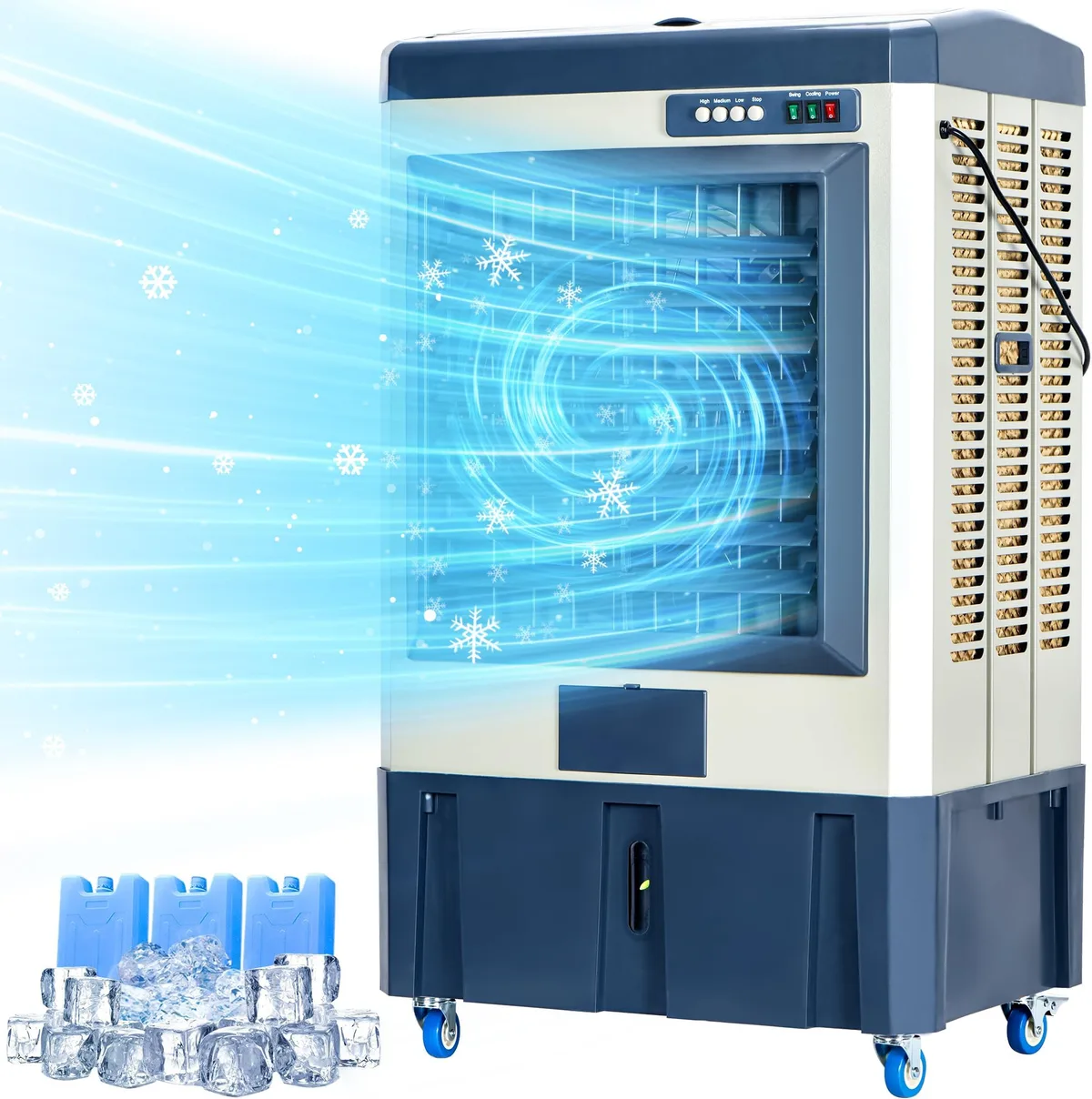
Evaporative coolers (sometimes called swamp coolers) lower air temperature by passing dry air over water-saturated pads, which evaporates and pulls heat from the air. These units work best in arid climates with low humidity, where they can drop ambient temperatures by 10, 20°F per U.S. Department of Energy outdoor cooling guidelines.
Portable models cost $100, $400 and require only a standard electrical outlet and occasional water refills, making them ideal for renters and temporary setups.
| Feature | Portable Evaporative Cooler | Permanent Evaporative Cooler |
|---|---|---|
| Cost | $100–$400 | $500–$1,500 + installation |
| Installation | No tools, plug-in | Professional mounting, water line required |
| Cooling range | 300–500 sq ft | 500–1,000 sq ft |
| Water use | Manual refills, 1–2 gal/hr | Direct water line, 1–2 gal/hr |
| Best for | Renters, temporary setups | Homeowners, permanent kitchen zones |
Permanent whole-area evaporative coolers cost $500, $1,500 to install but require a dedicated water line and professional mounting. They use 1, 2 gallons of water per hour, which is a key consideration for areas with drought restrictions. These units are useless in humid climates, as high moisture in the air stops evaporation from cooling effectively.
You’ll see minimal temperature reduction if relative humidity exceeds 60%, and they can even raise mugginess in already damp conditions. If you have questions about product specifications or climate suitability, reach our team for personalized guidance.
Outdoor Misting Systems: Installation Costs, Clog Risks, and Humidity Performance
Misting systems cool air by spraying ultra-fine water droplets that evaporate on contact, pulling heat from the surrounding air. DIY no-drill kits for small kitchen zones cost $200, $800, while professional whole-area installation runs $500, $2,000 as of 2026. All systems require a dedicated water line with 40, 60 PSI pressure to produce a consistent, fine mist that evaporates quickly.
The biggest drawback is clog risk. Mineral buildup from hard water blocks nozzles in as little as 4, 6 weeks without regular cleaning, and annual filter replacements add $30, $50 in yearly maintenance costs. These systems also raise ambient humidity by 10, 20%, so they only work effectively in arid climates with relative humidity below 40%.
In humid regions, they increase mugginess and can cause water damage to nearby wooden cabinetry or countertops if mist is directed improperly. You’ll also need to account for slip hazards on wet flooring near cooking surfaces, which requires non-slip mats or proper drainage.
Outdoor-Rated Fans (Ceiling, Pedestal, Wall-Mounted): CFM Requirements, Noise Levels, and Weather Durability
Outdoor-rated fans are the most versatile cooling option for open outdoor kitchens, as they work in every climate and require no water or complex installation. To cool a 100 sq ft kitchen space, you’ll need a total airflow rating of 2,000, 3,000 CFM (cubic feet per minute) to cut perceived temperature by 5, 8°F via wind chill effect. The National Kitchen and Bath Association recommends 2,000 CFM per 100 sq ft of kitchen area per their outdoor design guidelines.
Ceiling fans are best for permanent setups with covered overhead space, while pedestal fans offer portable, adjustable cooling for renters or temporary setups. Wall-mounted models work well for tight layouts where floor space is limited. Look for UL-listed units with an IP65 or higher ingress protection rating to resist rain and dust, and opt for powder-coated or stainless steel construction to avoid rust.
Aggregate user reviews report that uncoated metal fans rust out within 1, 2 seasons in humid climates, while coated models last 5+ years with basic cleaning.
Noise levels range from 30, 60 decibels, with models under 40 dB ideal for conversations during gatherings. These units use just 50, 100 watts of power, costing less than $5 per month to run during peak summer. The main limitation is that fans don’t lower actual air temperature, only create a cooling breeze, so they’re less effective when air temperature exceeds 95°F.
For more context on our research standards, see our about our team page.
[
  {
    "altKeyword": "how to cool off an open outdoor kitchen",
    "searchQuery": "open outdoor kitchen with pedestal fan in use",
    "sectionIntent": "Show a real-world open outdoor kitchen with an active pedestal fan cooling solution to immediately illustrate the article's core topic and desired outcome for readers.",
    "placementHint": "hero"
  },
  {
    "altKeyword": "portable evaporative cooler",
    "searchQuery": "portable evaporative cooler outdoor kitchen close-up",
    "sectionIntent": "Show a close-up of a portable evaporative cooler positioned next to an outdoor kitchen counter to illustrate its size, portability, and real-world placement for this use case.",
    "placementHint": "Evaporative Coolers: Cooling Range, Water Use, and Climate Suitability"
  },
  {
    "altKeyword": "outdoor kitchen cooling methods comparison",
    "searchQuery": "outdoor cooling methods side-by-side",
    "sectionIntent": "Show a clear side-by-side display of the top outdoor cooling options to let readers visually compare their design, size, and core features at a glance.",
    "placementHint": "Side-by-Side Comparison: Cost, Effectiveness, Maintenance, and Best Use Cases"
  },
  {
    "altKeyword": "outdoor kitchen cooling decision guide",
    "searchQuery": "outdoor cooling decision flowchart diagram",
    "sectionIntent": "Show a simple labeled decision flowchart that guides readers to select the right cooling method based on their climate, budget, rental status, and kitchen layout.",
    "placementHint": "Decision Guide: Match the Right Cooling Method to Your Kitchen Setup, Climate, and Budget"
  }
]
Shade Solutions (Sails, Awnings, Heat Shields): UV Ratings, Wind Load Limits, and HOA Compatibility
Shade is the simplest, lowest-maintenance way to cut temperatures in an open outdoor kitchen. Unlike active cooling systems, shade blocks solar heat before it hits your countertops, appliances, and seating area. The three main options are shade sails, retractable awnings, and heat shields.
Each has different durability, installation, and cost profiles.
Shade sails cost $200, $1,000 for a 10×10 ft area. They’re made from UV-resistant polyethylene or canvas with a UV blockage rating of 90, 98%. Look for a minimum 5-year warranty against fading.
Wind load rating matters: sails need at least 20 lbs per sq ft of resistance to avoid sagging or tearing in storms. Installation requires tensioned anchor points on existing walls or posts, which may need HOA approval.
Retractable awnings cost $1,500, $5,000 installed. They extend and retract with a motor or hand crank, offering flexibility for variable weather. UV protection is typically 80, 95%.
They’re rated for 15, 25 mph winds when extended. HOA rules often restrict permanent structures, but retractable models may qualify as temporary if they’re removed during high-wind events.
Heat shields are reflective panels installed behind grills or pizza ovens to deflect radiant heat away from cooking and seating areas. They cost $50, $200 each and require no power. Made from stainless steel or aluminum with a reflective finish, they can reduce radiant heat by 30, 50% in the immediate area.
They don’t lower air temperature but make the cooking zone more comfortable.
Outdoor Mini-Split AC Units: Energy Use, Installation Requirements, and Year-Round Performance
Mini-split AC units are the only option that actually lowers air temperature, not just moves air around. They work like traditional central AC but without ductwork. An outdoor compressor connects to an indoor air handler mounted on a wall or ceiling near your kitchen.
A 9,000 BTU unit suitable for a 150, 250 sq ft outdoor kitchen costs $1,500, $3,000 for the equipment, plus $800, $1,500 for professional installation. These units need a dedicated electrical circuit and a small hole through the wall for refrigerant lines. They’re the most effective cooling method for humid climates where evaporative coolers fail.
Energy use averages 800, 1,200 watts per hour, costing $30, $50 monthly during peak summer. They operate quietly at 25, 45 decibels. The downside is high upfront cost and permanent installation.
They also require annual professional maintenance and filter cleaning. For year-round use, they can also provide heating in winter, making them a good investment for frequent hosts.
Side-by-Side Comparison: Cost, Effectiveness, Maintenance, and Best Use Cases
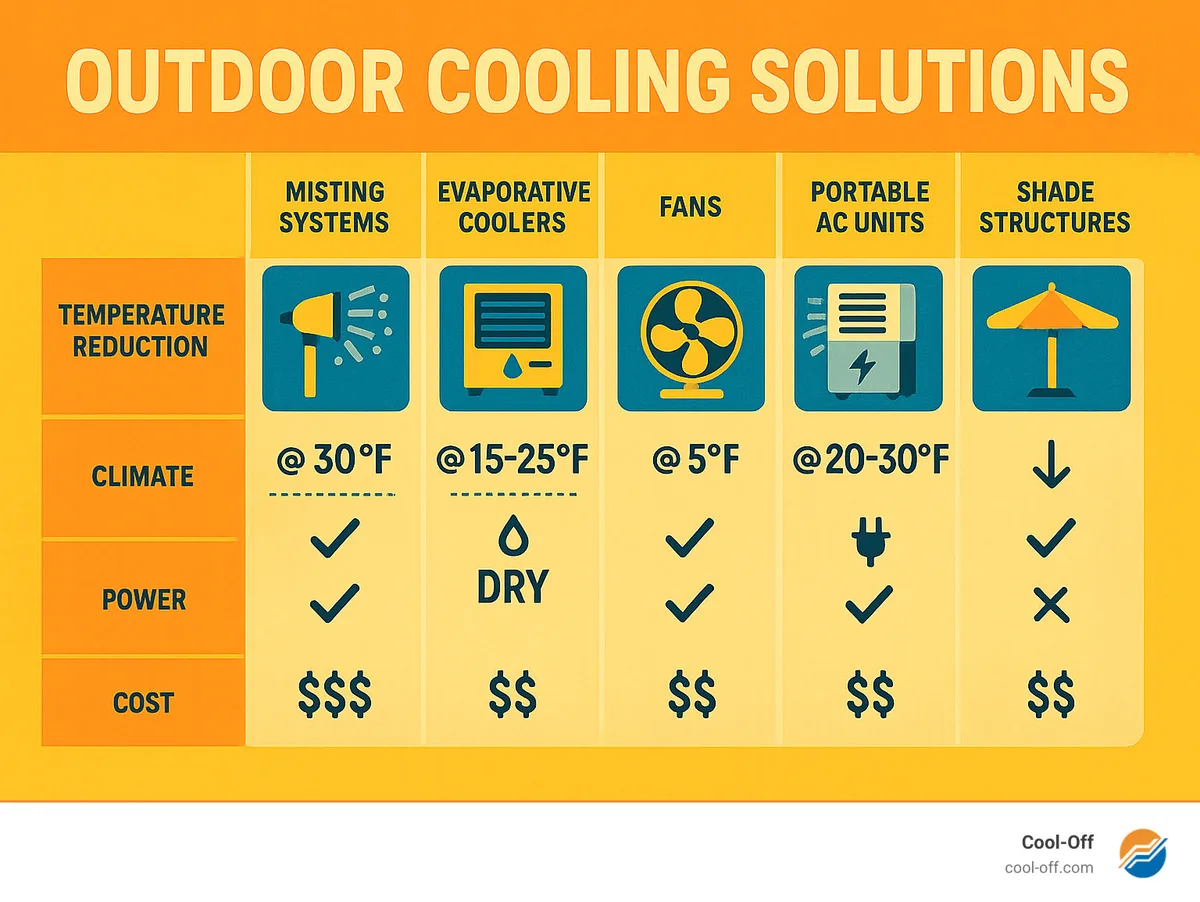
Choosing the wrong cooling method wastes money and leaves you sweating. The table below compares the four main options head-to-head.
| Cooling Method | Typical Cost | Temp Reduction | Climate Best | Maintenance | Best For |
|---|---|---|---|---|---|
| Evaporative Cooler | $100–$1,500 | 10–20°F drop | Arid (<60% humidity) | Low (pad replacement yearly) | Renters, dry climates |
| Misting System | $200–$2,000 | 5–15°F drop | Arid (<40% humidity) | High (nozzle cleaning quarterly) | Dry climates, no wood near mist |
| Outdoor Fans | $50–$500 per unit | 5–8°F perceived | All climates | Low (dusting, occasional oil) | Renters, humid climates, all-purpose |
| Mini-Split AC | $1,500–$4,500 | 15–25°F actual drop | All, especially humid | Medium (filter cleaning, annual service) | Homeowners, humid climates, frequent use |
Evaporative coolers and misting systems both rely on evaporation, so they’re ineffective above 60% relative humidity. Fans work everywhere but only create wind chill, not actual cooling. Mini-split ACs work in any climate but cost the most.
For renters, portable evaporative coolers or pedestal fans are the only legal options without landlord permission. Homeowners in arid zones can choose between evaporative coolers and misting systems based on water usage and slip risk. Humid climate homeowners should stick to fans or mini-split ACs.
Decision Guide: Match the Right Cooling Method to Your Kitchen Setup, Climate, and Budget
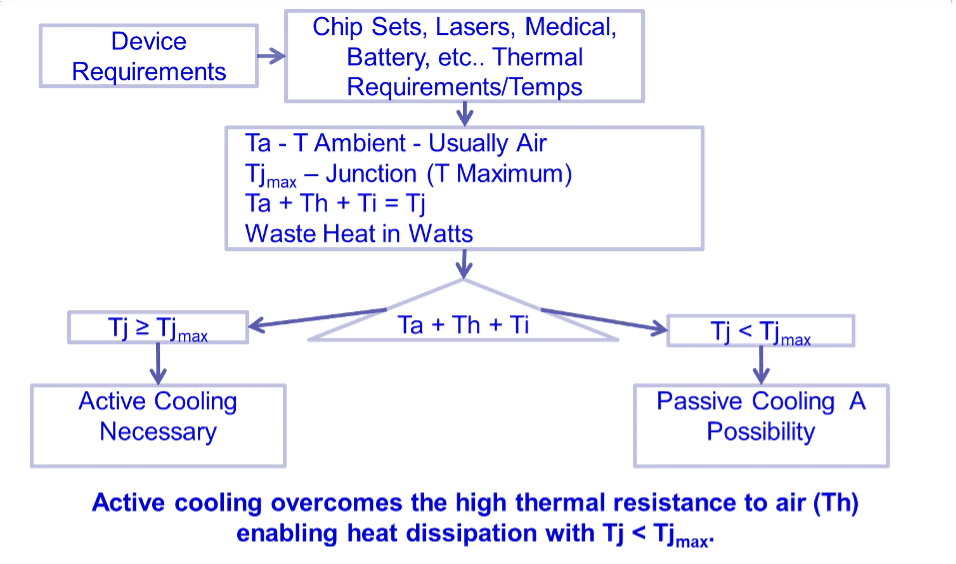
Use this flowchart to narrow down your options. Start with your climate: if average summer humidity is below 60%, evaporative cooling is on the table. If above 60%, eliminate evaporative options entirely.
Next, check your tenancy: renters skip permanent installations. Then, consider your budget and usage frequency.
If you’re a renter in any climate: portable pedestal fan or portable evaporative cooler (if arid).
If you’re a homeowner in arid climate with low budget: portable evaporative cooler.
If you’re a homeowner in arid climate with medium budget and high usage: permanent evaporative cooler or misting system (if no wood nearby).
If you’re a homeowner in humid climate: outdoor-rated fans for low budget, mini-split AC for high budget and frequent use.
If you have HOA restrictions: avoid permanent structures; use portable options or retractable awnings only if permitted.
For personalized advice, contact our team with your specific kitchen dimensions and climate data.
7 Costly Mistakes That Will Waste Money and Leave Your Kitchen Still Too Hot
We’ve seen homeowners repeat these errors again and again. Avoid them to save cash and actually stay cool.
- Buying an evaporative cooler for a humid climate. It’ll raise mugginess instead of lowering temperature. Check your average summer humidity first.
- Installing a misting system near wooden cabinets or countertops. Constant mist causes warping, mold, and rot. Keep nozzles at least 3 ft from wood surfaces.
- Using unrated indoor fans outdoors. They rust within one season. Always look for UL outdoor rating and IP65+ protection.
- Undersizing fan CFM. A 100 sq ft kitchen needs 2,000, 3,000 CFM total. One small fan won’t cut it.
- Ignoring wind direction for cross-ventilation. Place intake fans on the side opposite prevailing wind to pull hot air out, not recirculate it.
- Skipping HOA approval for permanent shade. You could be forced to remove it, losing thousands.
- Forgetting winterization. Water in misting lines or evaporative coolers freezes and cracks pipes. Drain all systems before first frost.
Safety, Legal, and HOA Rules You Can't Skip During Installation
Outdoor cooling equipment involves electricity and water, so safety and compliance are non-negotiable. The National Electrical Code (NEC) requires all outdoor outlets to have ground-fault circuit interrupter (GFCI) protection. Any permanent wiring must be done by a licensed electrician.
HOA rules vary widely. Some ban all permanent structures, others allow awnings but not sails. Submit plans for approval before purchasing anything.
Violations can lead to fines or forced removal.
Slip hazards from misting systems are a real risk near cooking areas. Use non-slip mats and ensure drainage directs water away from foot traffic. Keep all electrical components at least 3 ft from any water source.
For water usage, check local drought restrictions. Some areas ban outdoor misting during summer months. Permits may be required for plumbing modifications.
Seasonal Maintenance to Keep Your Cooling System Running for Years
Different systems need different care. Follow these schedules to avoid mid-summer failures.
Evaporative coolers:
- Monthly: Clean water tank, check pads for mineral buildup.
- Quarterly: Replace pads if airflow drops.
- Yearly: Descale with vinegar solution before storage.
Misting systems:
- Monthly: Soak nozzles in vinegar to remove mineral deposits.
- Quarterly: Replace filters.
- Yearly: Flush entire system, check for leaks before winter.
Outdoor fans:
- Monthly: Wipe blades and motor housing with damp cloth.
- Quarterly: Lubricate motor bearings if applicable.
- Yearly: Check wiring for cracks, tighten mounts.
Mini-split ACs:
- Monthly: Clean or replace air filters.
- Quarterly: Clear debris from outdoor unit.
- Yearly: Professional refrigerant check and deep clean.
Winterize all water-based systems by draining all lines and pumps before temperatures drop below freezing.
Real-World Setups: What Works for Renters, Arid-Climate Homeowners, and Commercial Patio Kitchens
Renter in Phoenix, AZ: Uses a 300 CFM pedestal fan and a portable evaporative cooler. Total cost under $300. No permanent modifications.
Cools a 120 sq ft kitchen by 10, 12°F during dry months. Stores units indoors during winter.
Homeowner in Tucson, AZ: Installed a permanent evaporative cooler on the kitchen wall and a retractable awning over the seating area. Total cost $2,200. Cools 250 sq ft by 15°F.
Uses 1.5 gal/hr water. HOA approved awning as retractable.
Restaurant in Miami, FL: Two 3,000 CFM commercial fans and a 12,000 BTU mini-split AC for the open kitchen patio. Total cost $4,500. Maintains 75°F even at 90°F outdoor temp and 80% humidity.
High electricity cost but pays for itself in extended patio seating revenue.
Frequently Asked Questions About Open Outdoor Kitchen Cooling
How much does it cost to cool an open outdoor kitchen?
Costs range from $50 for a basic pedestal fan to $4,500 for a mini-split AC system. Most homeowners spend $300, $1,000 for an effective setup. Budget $200, $500 for renters.
Do evaporative coolers work in humid climates?
No. Evaporative coolers become ineffective above 60% relative humidity. In humid climates, they add moisture and feel muggy.
Use fans or AC instead.
Can I install a misting system myself?
DIY kits are available for $200, $800. You need basic plumbing skills and a water line with 40, 60 PSI. However, professional installation ensures even coverage and avoids leaks.
What CFM do I need for my outdoor kitchen?
Aim for 20, 30 CFM per square foot. A 100 sq ft kitchen needs 2,000, 3,000 CFM total. Multiple smaller fans work better than one large one for even airflow.
Are outdoor cooling systems safe around grills?
Yes, if installed correctly. Keep all electrical components at least 3 ft from cooking surfaces and grease sources. Use fans to blow smoke away from seating areas, not toward them.
How do I prevent my outdoor fan from rusting?
Choose UL-listed outdoor fans with IP65+ rating and powder-coated or stainless steel finishes. Cover or store during winter if possible. Clean monthly to remove salt and dust that accelerate corrosion.
7 Costly Mistakes That Will Waste Money and Leave Your Kitchen Still Too Hot
The most common error is buying an evaporative cooler for humid climates, which raises mugginess above 60% relative humidity. Another mistake is using unrated indoor fans outdoors, which rust in one season. Always choose UL-listed outdoor fans with IP65+ protection.
Undersizing fan CFM also fails: a 100 sq ft kitchen needs 2,000, 3,000 CFM total.
Safety, Legal, and HOA Rules You Can't Skip During Installation
All outdoor cooling outlets need GFCI protection per NEC code. Permanent installations require a licensed electrician. Check HOA rules before buying permanent shade or cooling systems.
Misting systems near cooking areas need non-slip mats to prevent falls. Verify local drought restrictions before installing water-based cooling.
Seasonal Maintenance to Keep Your Cooling System Running for Years
Evaporative coolers need yearly pad replacement and monthly tank cleaning. Misting systems require quarterly nozzle soaks in vinegar to clear mineral buildup. Outdoor fans need monthly dusting and annual bearing lubrication.
Mini-split ACs need monthly filter cleaning and yearly professional service. Drain all water lines before first frost to avoid cracks.
Real-World Setups: What Works for Renters, Arid-Climate Homeowners, and Commercial Patio Kitchens
A Phoenix renter uses a portable evaporative cooler and pedestal fan for under $300, cooling 120 sq ft by 10, 12°F with no modifications. A Tucson homeowner installed a permanent evaporative cooler and retractable awning for $2,200, cooling 250 sq ft by 15°F. A Miami restaurant uses two 3,000 CFM fans and a 12,000 BTU mini-split to maintain 75°F even at 90°F outdoor temps.
Frequently Asked Questions About Open Outdoor Kitchen Cooling
How much does it cost to cool an open outdoor kitchen?
Costs range from $50 for a basic pedestal fan to $4,500 for a mini-split AC. Most homeowners spend $300, $1,000 for an effective setup.
Do evaporative coolers work in humid climates?
No. They become ineffective above 60% relative humidity, adding moisture instead of cooling. Use fans or AC in humid regions.
Can I install a misting system myself?
DIY kits cost $200, $800 and need basic plumbing skills. Professional installation ensures even coverage and avoids leaks.
What CFM do I need for my outdoor kitchen?
Aim for 20, 30 CFM per square foot. A 100 sq ft space needs 2,000, 3,000 CFM total for adequate airflow.
7 Costly Mistakes That Will Waste Money and Leave Your Kitchen Still Too Hot
Buying an evaporative cooler for humid climates above 60% relative humidity raises mugginess. Using unrated indoor fans outdoors causes rust within one season. Always size fans for 20, 30 CFM per square foot of kitchen space.
Safety, Legal, and HOA Rules You Can't Skip During Installation
All outdoor cooling outlets need GFCI protection per NEC code. Permanent installations require a licensed electrician. Check HOA rules before buying permanent structures to avoid fines or forced removal.
For full data handling details, see our privacy policy.
Seasonal Maintenance to Keep Your Cooling System Running for Years
Evaporative coolers need yearly pad replacement and monthly tank cleaning. Misting systems require quarterly nozzle soaks in vinegar to clear mineral buildup. Drain all water lines before first frost.
Real-World Setups: What Works for Renters, Arid-Climate Homeowners, and Commercial Patio Kitchens
A Phoenix renter uses a portable evaporative cooler and pedestal fan for under $300, cooling 120 sq ft by 10, 12°F with no modifications. A Miami restaurant uses two 3,000 CFM fans and a mini-split to maintain 75°F at 90°F outdoor temps.
Frequently Asked Questions About Open Outdoor Kitchen Cooling
How much does it cost to cool an open outdoor kitchen?
Costs range from $50 for a basic pedestal fan to $4,500 for a mini-split AC. Most homeowners spend $300, $1,000.
Do evaporative coolers work in humid climates?
No. They become ineffective above 60% relative humidity. Use fans or AC in humid regions.
Can I install a misting system myself?
DIY kits cost $200, $800 and need basic plumbing skills. Professional installation avoids leaks.
What CFM do I need for my outdoor kitchen?
Aim for 20, 30 CFM per square foot. A 100 sq ft space needs 2,000, 3,000 CFM total.
Are outdoor cooling systems safe around grills?
Yes, if installed correctly. Keep all electrical components at least 3 ft from cooking surfaces and grease sources.