How Much Weight Can Kitchen Cabinets Really Hold?
The question of how much weight can kitchen cabinets hold usually gets a confident guess: "a couple hundred pounds." That guess might be right. Or it might be dangerously wrong. Because the real answer depends on one thing above all: what the cabinet is actually screwed into.
Manufacturer specifications indicate that a properly anchored upper cabinet spanning two wall studs holds 150 to 200 pounds of static weight. That number assumes real wood studs and first-rate hardware. As of 2026, no national standard exists for residential cabinet shelf loads.
So you're the one who has to get the math right. Here's how to know what your cabinets can truly handle.
Quick Answer
A wall-mounted kitchen cabinet holds roughly 100 pounds per wood stud. Two studs, properly screwed, carry 150 to 200 pounds. Drywall-only anchors cut that to 70 or 80 pounds.
Less when someone pulls, leans, or slams a door.
The Real Answer Depends on the Wall, Not the Shelf
Most people fixate on the cabinet itself. They worry about the wood shelf or the box construction, assuming that is the weak link. Actually, the shelf is rarely the first thing to fail.
The mounting screws pulling out of drywall is.
We have seen this pattern repeatedly in real installations. A homeowner anchors a cabinet into drywall with plastic anchors, loads it with canned goods, and months later finds the whole unit sagging forward. The cabinet was fine.
The wall was not.
Static Weight vs. Dynamic Weight
Static weight is what sits still. Boxes, plates, a stacked set of bowls. Dynamic weight involves motion: yanking a drawer open, leaning on a countertop, a child hanging off a handle.
Dynamic force is far worse for cabinet mounting because it creates leverage.
| Load type | What it looks like | Safe capacity factor |
|---|---|---|
| Static weight | Heavy objects resting inside | Use the full rated capacity |
| Dynamic weight | Pulling, leaning, slamming | Cut rated capacity in half |
Why does that matter? Because a violent pull on an open door can momentarily multiply the force at the mounting screws by two or even three times. That is how cabinets end up on the floor.
Why "200 Pounds" Is the Wrong Number to Memorize
Big numbers get thrown around as if every kitchen wall is identical. They are not. The 200-pound figure assumes two solid wood studs, the right screw length, and a cabinet with a real mounting rail.
Change any one of those assumptions and the safe number collapses. The exact same cabinet mounted with toggle bolts into hollow drywall may only handle 70 pounds total, regardless of what the box itself can bear.
Wood Studs vs. Metal Studs vs. Drywall: The Mounting Math
The wall type behind the drywall is the single biggest variable in cabinet capacity. Think about it like this: the drywall is just a covering. The studs are the structure.
If you don't connect to the structure, you are relying on a thin sheet of gypsum board to hold up your plates and glasses.
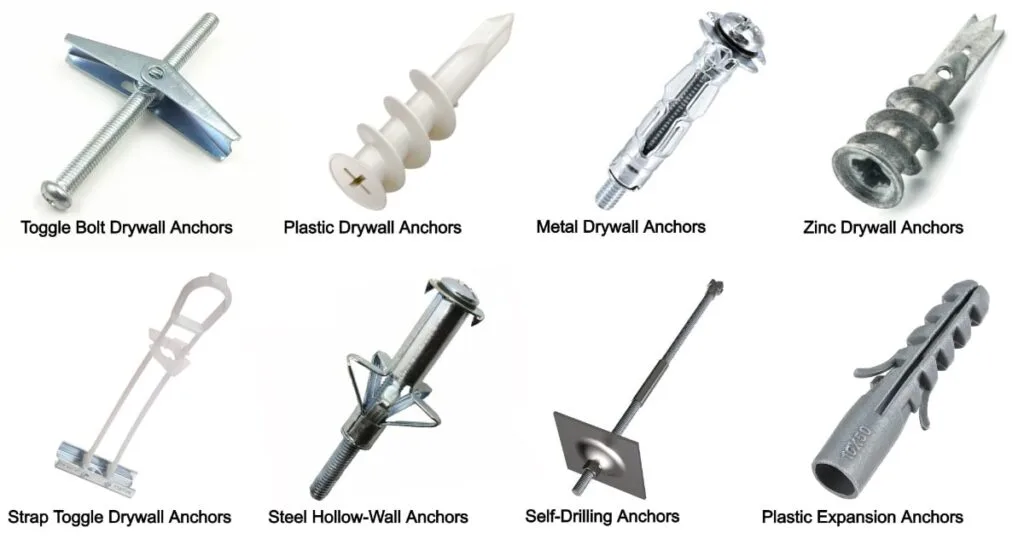
The Difference Between Anchoring Into Studs vs. Toggle Bolts
When you drive a screw directly into a wood stud, the threads bite into solid lumber that resists pulling forces. This is the strongest anchor system available for kitchen cabinet mounting. Toggle bolts are the backup option when a stud is exactly where you don't need it.
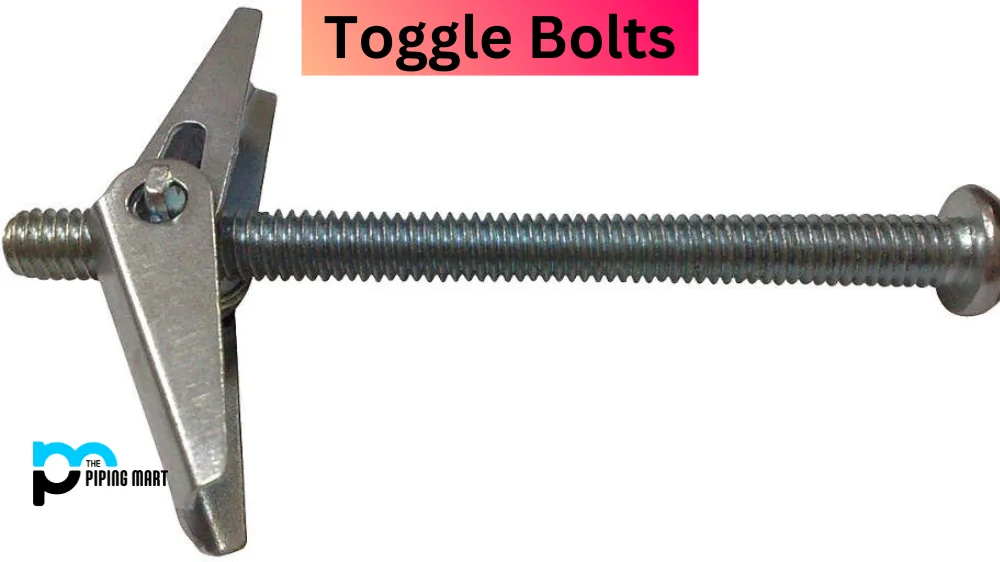
They work by clamping onto the back side of the drywall with spring-loaded wings.
| Wall type | Best anchor method | Safe load per connection |
|---|---|---|
| Wood stud | #10 wood screw, 1.5 to 2 inches | 80 to 100 lbs |
| Metal stud | Self-tapping screw plus metal stud anchor | 40 to 50 lbs |
| 1/2-inch drywall only | Toggle bolt | 30 to 40 lbs |
| 5/8-inch drywall only | Toggle bolt | 40 to 50 lbs |
The exact ratings vary by screw gauge and bolt design. But the trend holds: wood studs give you two to three times the holding power of drywall alone. If you are planning a full kitchen remodel, this distinction changes how you specify the walls, so it is worth checking the framing approach before the drywall goes in.
How to Find Your Studs (and What to Do When You Can't)
A magnetic stud finder is the most reliable tool for the job. It locates the nails or screws in the stud rather than detecting changes in wall density. That means fewer false positives on plaster or older lath walls.
If you don't have a stud finder, take a different route. Check the baseboard.
The nails holding the baseboard in place usually mark the stud layout. You can also knock on the wall. A solid, low-pitch thud means you're over a stud.
A hollow knock means you're in a cavity. If you're mounting a cabinet over a counter in a smaller kitchen, the stud locations often follow the same spacing as the walls in the rest of the room.
What Drywall Thickness Means for Your Cabinet
Standard 1/2-inch drywall is common in most homes built after 1950. It works fine when you hit a stud but offers almost no grip for a screw alone. 5/8-inch drywall is thicker and often shows up in garages, hallways, and multi-family buildings. It gives toggle bolts a bit more bite.
But don't chase a better drywall hold. Toggle bolts in 5/8-inch drywall are still a poor substitute for a wood stud. The drywall can crush over time under constant load, especially with the vibration of daily cabinet use.
The Hardware: Screw Gauge, Length, and Anchor Systems
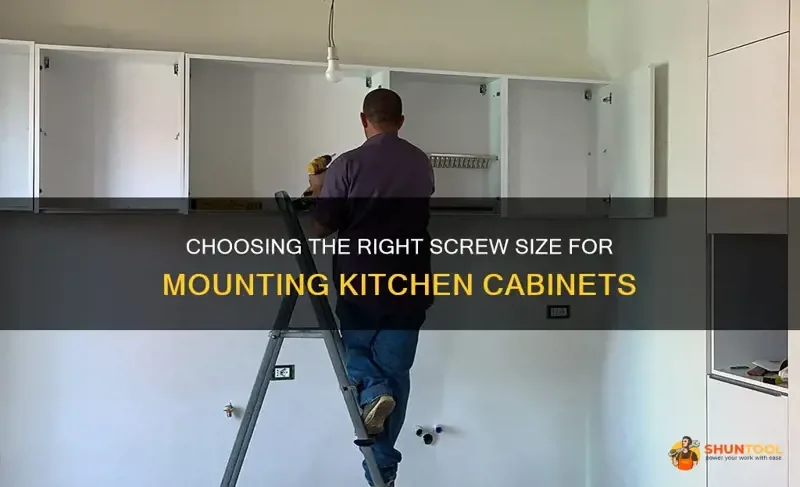
Once you know the wall type, the hardware follows. This is where many DIYers stumble. They grab whatever screws came in the flat-pack box and assume the mounting hardware is adequate.
It usually isn't.
#8 vs. #10 Screws: What the Numbers Tell You
The screw gauge refers to the diameter of the shank. A #8 screw measures about 0.16 inches. A #10 is heavier at roughly 0.19 inches.
For mounting kitchen cabinets into wood studs, #10 is the right call. The larger shank gives the threads more surface area to bite, which translates into better resistance against pull-out.
Screw Length and How Deep the Stud Bite Goes
You need at least one full inch of screw buried in the stud. Run the math: a 2.5-inch screw passing through a 1/2-inch cabinet back panel leaves about two inches to reach the wall surface. After breaching 1/2-inch drywall, you get about 1.5 inches of solid engagement in the wood.
That is excellent. A 1.5-inch screw, though, would only leave an inch of engagement at best, which is the practical minimum.
When Toggle Bolts Are the Right Move
Toggle bolts are a legitimate workaround when a cabinet rail falls between studs. They are not a substitute for stud mounting when you have the choice. Use them for one-off situations, like hanging a small cabinet or a spice shelf where the load is light.
For a full upper cabinet filled with dishes, the studs should carry the load, not the drywall.
Where Cabinets Fail: Weak Points Behind the Drywall
Even when the wall is perfect, cabinets can fail from the inside out. The cabinet carcass has its own structural limits, and those limits matter just as much as the anchor system.
The Back Panel Problem
Many ready-to-assemble cabinets use a back panel made of thin hardboard or fiberboard. That material is not a structural mounting surface. If you drive your mounting screws through the back panel without hitting a rail, the thin panel will strip out under load.
The screws hold for a month or two, then the cabinet starts to sag. In some budgets, that is what separates a decent renovate of kitchen cupboards from a cabinet that never quite feels solid.
Mounting Rails and Face Frames: What to Screw Into
A well-built cabinet has solid mounting rails at the top and bottom of the box, or a face frame with reinforced screw pockets. Those parts are designed to transfer weight from the cabinet body to the wall. Screwing through the back panel only, without engaging a rail, means you are trusting thin cardboard-like material to carry the entire load.
When the back panel is only 1/8-inch thick, the failure is not a matter of if, it's a matter of when.
Identifying a Weak Cabinet Before You Install
Give the cabinet a quick inspection before you lift it onto the wall. Check the back panel's thickness. 1/4-inch plywood is acceptable. Anything thinner, like 1/8-inch paperboard or MDF, is a red flag.
Next, look at how the back panel connects to the side walls. If it is stapled, stop. Stapled backs can't handle the shear forces of a full upper cabinet.
Over time, the staples go loose and the panel separates. By the time you notice, gravity has taken over.
The Failure Patterns: How Heavy Loads Pull the Trigger
Let's talk about what actually happens when a cabinet gives up. The failure is rarely a clean, sudden fall. It starts small: a visible gap, a slight sag, a cracking sound.
Then one day, you grab for a coffee mug and the whole unit tilts.
The Pull-Down Effect
A door handle acts as a lever. When someone pulls it, the force gets amplified at the hinge block, then travels through the cabinet side panel and into the mounting screws. The result is a prying motion that rips screw heads through the back panel or yanks them out of the stud.
The Weight Shift Problem
Heavy items placed near the front of a shelf create a forward rotational force. The shelf might handle the weight fine, but the top mounting screws now struggle against the tipping motion. Reduce your comfortable load by at least 25% when you cannot center the heaviest items over the shelf's depth.
How to Tell if You Are Near the Limit
Before you load a wall cabinet, try a simple field test. Push down on the front edge of the cabinet with your body weight. Then grab the top edge and pull outward.
No movement? The install passes. If you see even a hairline gap open between the cabinet and the wall, you need to remount the cabinet before loading it.
The cabinet mounting system has the same priorities as the rest of your kitchen planning: structure first, appearance second. Getting the rails right in the beginning saves you from an expensive, dangerous failure later.
One more thing to keep in mind: cabinet capacity is a system. The wall, the screw, the cabinet box, and the shelf all have ratings. The safe capacity of the whole unit is only as strong as the weakest element.
Identify the weak link before you stack everything on top of it.