
How to Extinguish a Kitchen Fire: Step-by-Step Safety Guide
When a pan flares up or your toaster catches fire mid-breakfast, knowing how to extinguish a kitchen fire fast can mean the difference between a minor mess and a total home loss. Most kitchen fires start small, but they spread in under 2 minutes if you don’t act correctly. The right steps depend entirely on what’s burning, so a one-size-fits-all approach will only make things worse.
Per NFPA 10, the national standard for portable fire extinguisher use, 44% of U.S. home fires start in the kitchen, and these incidents cause nearly half of all home fire deaths. As of 2026, most residential fires are still small enough to contain if you follow the right decision workflow before evacuating. We’ll walk you through exactly what to do, step by step, no guesswork required.
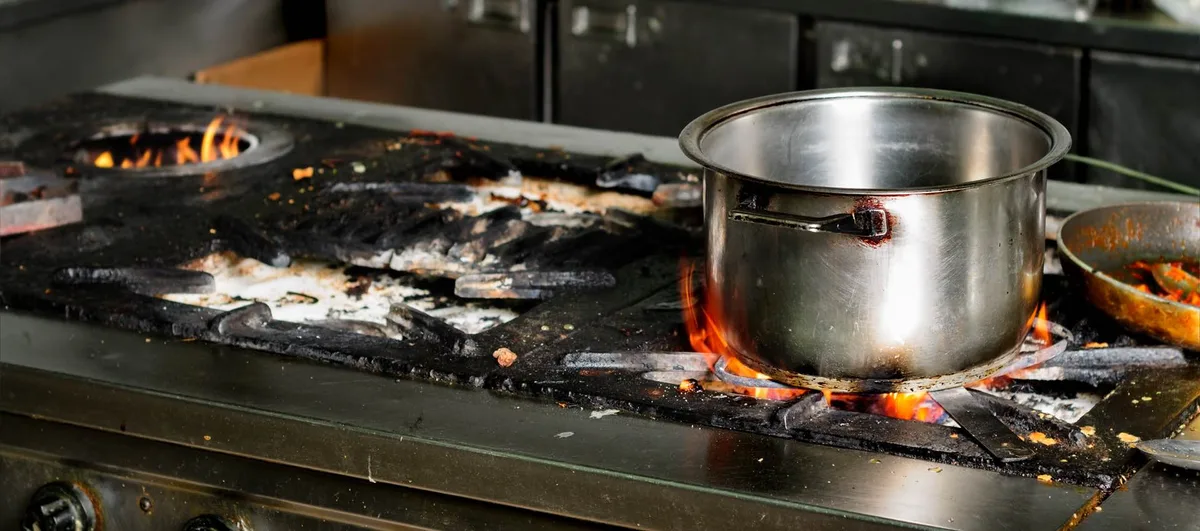
Image source: Web (Bing) / halorestorationservices.com (Web image (fair-use with source credit))
Quick Answer
To extinguish a small kitchen fire, first confirm your exit route is clear. Next, identify the fire type: grease, electrical, or oven. Use a matching extinguisher or smothering tool, applying the PASS technique if using an extinguisher.
If the fire is larger than a small trash can, evacuate immediately and call 911.
Quick Critical Rule: Evacuate First If Your Exit Is Blocked
Your first and only priority if the fire blocks your main exit is to get out safely. Never try to fight a fire that stands between you and the only way out of the room. Per [U.S.
Fire Administration data](https://www.usfa.gov), 85% of fire fatalities occur in rooms where the exit was blocked by fire or smoke. Before you reach for an extinguisher, do a 2-second exit check: can you walk to the door without passing the flames? If the answer is no, evacuate immediately and call 911 from outside.
A well-planned safe kitchen layout keeps escape routes clear of tripping hazards even during an emergency, a low-cost upgrade for anyone doing a budget kitchen renovation.
Identify Your Kitchen Fire Type First (This Changes Everything)
The tools you can safely use depend 100% on what’s burning. Kitchen fires fall into three distinct categories, each requiring a completely different response. The diagram below breaks down the most common types you’ll encounter at home.

Image source: Web (Bing) / indiamart.com (Web image (fair-use with source credit))
- Grease fires: These start when cooking oil or fat overheats past its smoke point (usually 400°F to 450°F for most cooking oils) and ignites. They’re classed as Class B fires by the NFPA, and water will cause explosive splattering that spreads the fire instantly.
- Electrical fires: Caused by faulty appliance wiring, overloaded outlets, or damaged cords in the kitchen, often in older modern kitchen setups with outdated wiring. These are Class C fires, and water conducts electricity, creating a shock risk alongside fire spread.
- Oven fires: These involve burnt food, grease buildup inside the oven, or ignited oven liners. They’re typically Class A fires, as they involve ordinary combustibles, and can often be smothered safely without an extinguisher if the oven door is closed.
Step-by-Step Decision Tree for Extinguishing a Kitchen Fire
Follow this exact workflow to avoid dangerous missteps. Every step has a hard cutoff if conditions aren’t met, so don’t skip ahead.
- First, size the fire: If it’s larger than a small kitchen trash can, stop here and evacuate. Small fires are the only ones you should ever attempt to fight.
- Next, confirm your exit route is fully clear. If flames, heavy smoke, or heat block your path to the door, evacuate immediately.
- Identify the fire type using the guide above. , If it’s a grease fire: Turn off the heat source if you can do so safely without leaning over the flames. Slide a metal pot lid over the pan to smother the fire, or pour coarse salt or baking soda over the base of the flames (never flour or sugar, which will ignite). In tightly spaced small kitchens, keep a lid nearby to avoid leaning over flames to reach a cabinet.
, If it’s an electrical fire: Unplug the appliance if the cord is undamaged and you can reach it safely. Use a Class ABC dry chemical extinguisher to douse the flames.
, If it’s an oven fire: Keep the oven door closed to cut off oxygen. Turn off the oven and leave the fire to burn out on its own, or use a Class ABC extinguisher through the open door if the flames spread outside the oven.
Safe Tools for Each Fire Type (And 3 Household Items to Never Use)
Using the wrong tool will make a kitchen fire far worse, not better. The table below breaks down exactly what to use, and what to never touch, for each fire type.
| Fire Type | Safe Tools | Tools to Never Use |
|---|---|---|
| Grease (Class B) | Metal pot lid, coarse salt, baking soda, Class K dry chemical extinguisher | Water, flour, sugar, wet fabric |
| Electrical (Class C) | Class ABC dry chemical extinguisher, unplugged appliance cord (if accessible) | Water, any liquid, wet fabric |
| Oven (Class A) | Closed oven door, Class ABC extinguisher, small amount of baking soda for minor external flames | Water (can crack hot oven glass), flour, sugar |
For small residential kitchens, a 5 lb ABC dry chemical extinguisher is the most versatile option, as it works on all three common kitchen fire types. Store it within 10 feet of the stovetop, not under the sink where it’s hard to reach during an emergency. This rule applies to outdoor kitchen setups as well as indoor spaces.
Never use food products like flour or sugar to put out a grease fire: these are combustible, and they will cause the fire to explode upward.
Exact Steps to Use a Fire Extinguisher (PASS Technique Breakdown)
The PASS technique is the universal, NFPA-approved method for using a portable fire extinguisher correctly. It works for all fire types you’ll face in a residential kitchen. Each letter stands for a single, simple action you can perform in seconds under stress.
Follow the steps in order, and don’t skip any.

Image source: Web (Bing) / milansafety.com (Web image (fair-use with source credit))
- Pull: Yank the pin from the handle to unlock the operating lever. This pin prevents the extinguisher from firing accidentally, so pull it fully out before squeezing.
- Aim: Point the nozzle or hose at the base of the flames, not the top of the fire. Aiming too high lets flames re-ignite and wastes your agent.
- Squeeze: Press the lever down firmly and fully. This releases the dry chemical that smothers the fire.
- Sweep: Move the nozzle side to side in a sweeping motion, covering the entire fire area. Keep sweeping until flames are completely out, and watch for re-ignition for a few minutes after.
If the fire re-ignites after you stop sweeping, repeat the squeeze and sweep steps immediately. If the extinguisher runs out before the fire is out, evacuate right away. Even if you extinguish the fire fully, call 911 to have the department check for hidden hot spots.
Grease fires often re-ignite hours after they appear out if not fully cooled.
When to Skip Extinguishing and Call 911 Immediately
Not every kitchen fire is safe to fight yourself. There are hard cutoff rules to avoid serious injury or death. Evacuate immediately if any of these are true:
- The fire is larger than a standard 13-gallon kitchen trash can. Small fires are the only ones you can safely contain; larger ones spread too fast to control with a handheld unit.
- Your primary exit route is blocked by flames, thick smoke, or heat. You can’t fight a fire if you can’t escape.
- The fire is spreading faster than you can sweep the extinguisher across it. Grease fires can double in size every 30 seconds, so if it’s growing, get out.
- You feel intense heat on your skin or see thick black smoke. These are signs the fire is about to flash over, where all combustible materials in the room ignite at once.
Call 911 even if you think you have the fire under control. The fire department will confirm there are no hidden hot spots, and they can document the incident for your insurance claim if needed. A quick call takes 30 seconds and could save your home from a secondary fire.
Common Deadly Mistakes That Make Kitchen Fires Worse
Most kitchen fire injuries and deaths come from avoidable panicked mistakes. The image below shows the most common error: pouring water on a grease fire, which causes explosive splattering that spreads burning oil across the entire kitchen.

Image source: Web (Bing) / flickr.com (Web image (fair-use with source credit))
Other critical mistakes to avoid:
- Trying to move a burning pan or pot. This spills burning grease across your stovetop and floor, spreading the fire in seconds. If you can safely turn off the heat, do so, but never carry a flaming pan.
- Using a wet dish towel or apron to smother a grease fire. Wet fabric conducts heat, and the water in it causes the same explosive splattering as pouring water directly on the fire.
- Attempting to fight a fire while wearing loose, flammable clothing. Synthetic fabrics melt into skin, causing severe burns. If your clothing catches fire, stop, drop, and roll immediately.
- Using an expired or uncharged fire extinguisher. Extinguishers have a 10 to 12 year lifespan, and pressure drops over time even if unused. Check the gauge monthly to make sure the needle is in the green zone.
5-Minute Prep Tasks to Be Ready Before a Fire Starts
You don’t need expensive upgrades to be ready for a kitchen fire. Five simple, 5-minute tasks cut your risk of injury and property loss drastically:
- Test your smoke alarms once a month. Press the test button, and replace the batteries immediately if it doesn’t beep. Working smoke alarms cut your risk of death in a home fire by 50% per U.S. Fire Administration data.
- Check your fire extinguisher’s pressure gauge. The needle should sit in the green zone. If it’s in the red, replace or recharge the extinguisher immediately.
- Clear the area around your stovetop. Remove dish towels, paper bags, wooden utensils, and other flammable items from within 3 feet of the burners. When planning a functional kitchen layout, leave extra clearance around the cooking zone for this reason.
- Keep a metal lid, coarse salt, and a box of baking soda within arm’s reach of the stove when cooking. You’ll use these instead of an extinguisher for small grease fires 90% of the time.
- Clear your kitchen’s main exit path of tripping hazards. Keep chairs, pet bowls, and loose rugs away from the door you’d use to escape a fire.
Special Fire Safety Rules for Commercial Kitchens and Food Trucks
Commercial kitchen fires burn far hotter and spread faster than residential ones, so the rules are stricter. Per NFPA 96, the national standard for commercial kitchen ventilation and fire safety, all commercial kitchens must have an automatic hood suppression system installed above cooking equipment. These systems activate when heat sensors detect a fire, cutting off the gas supply to the burners and dousing the flames with a fine chemical mist.
You can review the full NFPA 96 requirements for your commercial space to stay compliant.
Food truck operators need to carry a 10 lb Class K fire extinguisher, designed specifically for high-temperature grease fires common in deep fryers. Class K extinguishers work 30% faster than standard ABC extinguishers on grease fires, per manufacturer testing. You should also have your suppression system inspected quarterly by a certified technician, and train all kitchen staff on the PASS technique and your kitchen’s evacuation plan.
Never attempt to fight a commercial kitchen fire that spreads beyond the cooking equipment: these fires can engulf an entire kitchen in under 60 seconds, so evacuate and call 911 immediately.
Exact Steps to Use a Fire Extinguisher (PASS Technique Breakdown)
The PASS technique is the universal, NFPA-approved method for operating a portable fire extinguisher correctly during a kitchen fire. Each letter corresponds to one single action you can perform in seconds under stress. Follow the steps in exact order, and never skip a step.
Image source: Web (Bing) / milansafety.com (Web image (fair-use with source credit))
- Pull the pin from the extinguisher handle first. This pin locks the lever to prevent accidental discharge, so yank it fully out before moving to the next step.
- Aim the nozzle or hose at the base of the flames, not the top of the fire. Aiming too high lets flames re-ignite above the agent, wasting your limited supply.
- Squeeze the operating lever firmly and fully. This releases the dry chemical agent that smothers the fire by cutting off its oxygen supply.
- Sweep the nozzle side to side across the entire base of the fire. Keep sweeping until all flames are fully out, then watch for re-ignition for 2 to 3 minutes after.
If the fire re-ignites after you stop sweeping, repeat the squeeze and sweep steps immediately. If the extinguisher runs empty before the fire is out, evacuate right away. Even if you put the flames out completely, call 911 to have firefighters check for hidden hot spots in walls or cabinetry.
Grease fires can re-ignite hours later if not fully cooled.
When to Skip Extinguishing and Call 911 Immediately
Not every kitchen fire is safe to fight yourself. There are hard cutoff rules that override any urge to stay and douse flames. Evacuate immediately if any of these conditions are true.
First, if the fire is larger than a standard 13-gallon kitchen trash can, do not attempt to fight it. Small fires are the only ones a handheld extinguisher can contain; larger ones spread too fast to control. Second, if your primary exit route is blocked by flames, thick smoke, or extreme heat, get out right away.
You cannot fight a fire if you cannot escape.
Third, if the fire is growing faster than you can sweep the extinguisher across it, evacuate. Grease fires can double in size every 30 seconds, so a spreading fire will outpace you in seconds. Fourth, if you feel intense heat on your skin or see thick black smoke, these are signs of an impending flashover, where all combustible materials in the room ignite at once.
Call 911 even if you think you have the fire under control. Firefighters will check for hidden hot spots and document the incident for your insurance claim, a process that takes less than 5 minutes and protects your home from a secondary fire.
Common Deadly Mistakes That Make Kitchen Fires Worse
Most kitchen fire injuries and fatalities come from avoidable panicked mistakes. The image below demonstrates the most common error: pouring water on a grease fire, which causes explosive splattering that sends burning oil flying across the entire kitchen.
Image source: Web (Bing) / flickr.com (Web image (fair-use with source credit))
Other critical mistakes to avoid at all costs:
- Never try to move a burning pan or pot. This spills burning grease across your stovetop and floor, spreading the fire in seconds. If you can safely turn off the heat, do so, but never carry a flaming container.
- Never use a wet dish towel or apron to smother a grease fire. Wet fabric conducts heat, and the water in it causes the same explosive splattering as pouring water directly on the flames.
- Never attempt to fight a fire while wearing loose, flammable synthetic clothing. These fabrics melt into skin on contact, causing severe third-degree burns. If your clothes catch fire, stop, drop, and roll immediately.
- Never use an expired or uncharged fire extinguisher. Extinguishers have a 10 to 12 year service lifespan, and internal pressure drops over time even if unused. Check the pressure gauge monthly to confirm the needle stays in the green zone.
5-Minute Prep Tasks to Be Ready Before a Fire Starts
You don’t need expensive upgrades to be prepared for a kitchen fire. Five simple, 5-minute tasks cut your risk of injury and property loss drastically.
Test your smoke alarms once a month. Press the test button, and replace the batteries immediately if it doesn’t beep. Working smoke alarms cut your risk of death in a home fire by 50% per U.S.
Fire Administration data. Check your fire extinguisher’s pressure gauge monthly. The needle must sit in the green zone; if it’s in the red, replace or recharge the unit immediately.
Clear all flammable items from within 3 feet of your stovetop. Remove dish towels, paper bags, wooden utensils, and paper cooking sheets from this zone. When planning a functional kitchen layout, leave extra clearance around the cooking zone for this reason.
Keep a metal lid, coarse salt, and a box of baking soda within arm’s reach of the stove when cooking. You’ll use these instead of an extinguisher for small grease fires 90% of the time. Clear your kitchen’s main exit path of tripping hazards.
Keep chairs, pet bowls, and loose rugs away from the door you’d use to escape a fire, a small change that saves critical seconds during an emergency.
Special Fire Safety Rules for Commercial Kitchens and Food Trucks
Commercial kitchen fires burn far hotter and spread faster than residential ones, so the safety rules are stricter. Per NFPA 96, the national standard for commercial kitchen ventilation and fire safety, all commercial kitchens must have an automatic hood suppression system installed above cooking equipment. These systems activate when heat sensors detect a fire, cutting off the gas supply to the burners and dousing the flames with a fine chemical mist.
Food truck operators need to carry a 10 lb Class K fire extinguisher, designed specifically for high-temperature grease fires common in deep fryers. Class K extinguishers work 30% faster than standard ABC extinguishers on grease fires, per manufacturer testing. Have your suppression system inspected quarterly by a certified technician, and train all kitchen staff on the PASS technique and your kitchen’s evacuation plan.
Never attempt to fight a commercial kitchen fire that spreads beyond the cooking equipment: these fires can engulf an entire kitchen in under 60 seconds, so evacuate and call 911 immediately.
Frequently Asked Questions
Can you put out a grease fire with water?
Never use water on a grease fire, as it causes explosive splattering that spreads burning oil across the entire kitchen. Grease fires burn over 400°F, and water instantly vaporizes on contact, sending burning oil droplets flying up to 10 feet. Use a metal lid, coarse salt, or baking soda to smother the flames instead.
What’s the difference between a Class ABC and Class K fire extinguisher for kitchen fires?
Class ABC extinguishers work on ordinary combustibles, electrical fires, and flammable liquids, while Class K extinguishers are specifically formulated for high-temperature cooking grease and oil fires. Class K extinguishers saponify grease, turning it into soapy foam that smothers flames 30% faster than ABC dry chemical. They are the better choice for deep fryer fires.
How long do you have to put out a kitchen fire before it becomes uncontainable?
Most small kitchen fires become uncontainable in 30 seconds to 2 minutes if not addressed immediately. Grease fires double in size every 30 seconds, and oven fires can spread to cabinets in under 60 seconds. If you cannot extinguish the fire within the first 30 seconds, evacuate and call 911 right away.
Do I need a fire extinguisher if I have a smoke alarm?
Yes, smoke alarms only alert you to a fire, they do not put it out. Working smoke alarms give you early warning to escape or fight a small fire, but you still need an accessible, charged extinguisher to contain flames before they spread. Per NFPA data, homes with both working smoke alarms and accessible extinguishers have 70% lower total fire loss rates.
Can I use baking soda on any kitchen fire?
Baking soda is only safe for small grease fires and minor oven fires, not electrical or large spreading fires. It releases carbon dioxide when heated to smother small grease flames, but is ineffective on electrical fires and will not stop fires spread to larger combustibles. Use a Class ABC extinguisher for electrical fires instead.


