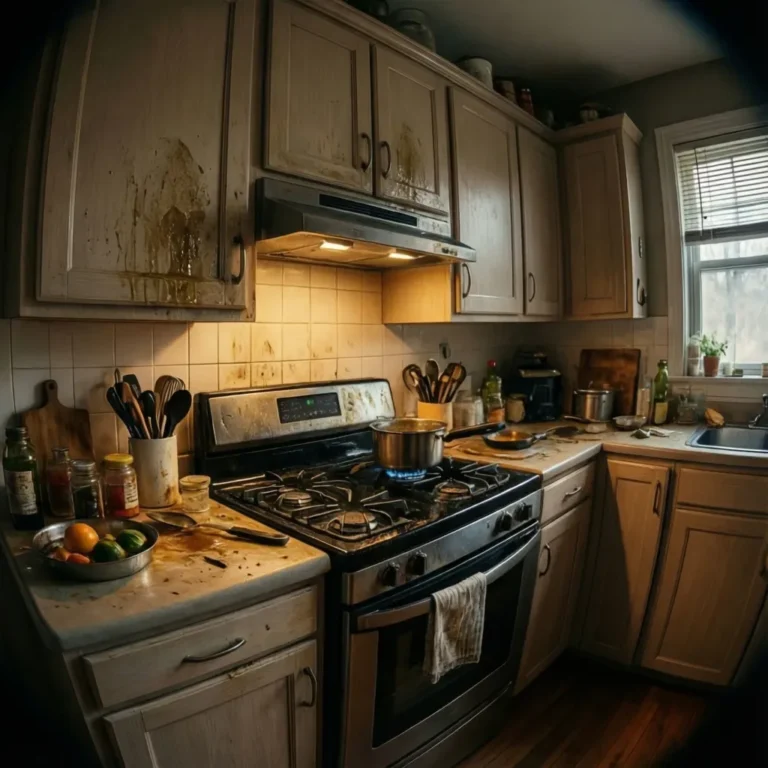
How to Disinfect Your Kitchen Sink: Easy Steps to Kill Germs
If you’ve ever watched raw meat juices pool in your kitchen sink or spotted mold around the drain, you know how unsanitary that high-traffic area can get. Most people skip disinfecting this space entirely, or use harsh cleaners that damage their sink. Knowing how to disinfect kitchen sink properly isn’t just about curb appeal, it’s about stopping dangerous pathogens from spreading to your food.
Per FDA Food Code requirements, all food-contact surfaces in home and commercial kitchens need regular disinfection to reduce foodborne illness risk. As of 2026, USDA data shows 21% of home cross-contamination incidents trace back to unsanitary sink basins. We’ll cover safe, effective steps that won’t ruin your sink or expose your family to fumes.
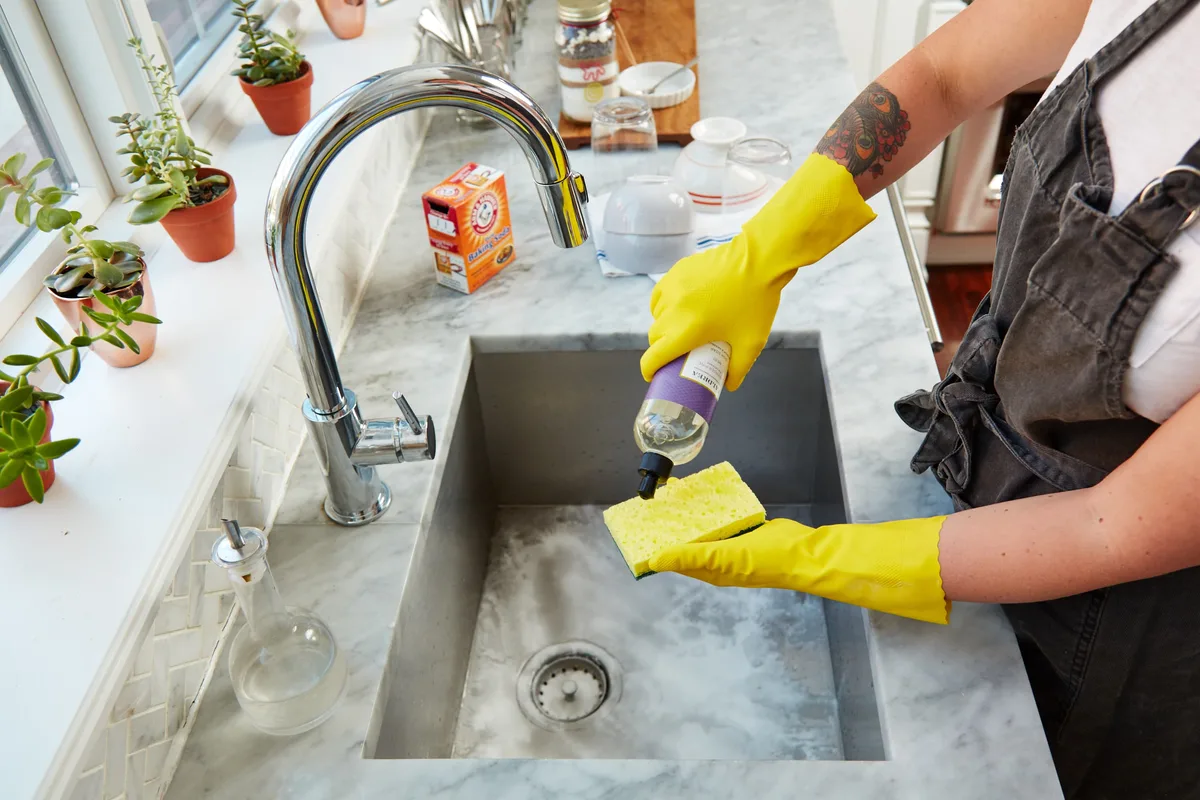
Image source: Bing (Web (fair-use with source credit))
Quick Answer
To disinfect your kitchen sink, start by clearing debris and rinsing the basin. Apply an EPA-approved food-safe disinfectant or a 1:10 bleach-water solution. Let it sit for the full contact time listed on the product label, usually 3 to 10 minutes.
Rinse thoroughly with clean water, then dry with a microfiber cloth. Avoid mixing bleach with vinegar or ammonia, as this creates toxic fumes.
Why Incorrect Kitchen Sink Disinfection Poses Real Health and Property Risks
Incorrect sink disinfection methods create two categories of avoidable harm: immediate health risks and permanent property damage. Aggregate food safety data from the CDC links improper kitchen sanitation to 48 million annual foodborne illness cases in the U.S. alone, with sink cross-contamination a leading cause of E. coli and Salmonella outbreaks in home kitchens. Many generic cleaning guides fail to account for sink material compatibility, leading to irreversible surface damage.
For homeowners dealing with sink damage from improper cleaning, a full cabinet and sink upgrade can update your space while fixing the issue. On the property side, abrasive cleaners or steel wool scratch porcelain enamel and stainless steel finishes, creating porous grooves where bacteria and mold grow long-term. Mixing common household cleaners like bleach and vinegar releases chloramine gas, which causes respiratory distress and chemical burns even at low concentrations.
These errors are entirely preventable with material-specific, safety-first guidance per CDC food safety guidelines.
Core Disinfection Facts: What Actually Kills Common Sink Pathogens
Effective sink disinfection relies on three non-negotiable facts, per EPA and CDC testing standards. First, only disinfectants with an EPA registration number for food-contact surfaces are proven to kill 99.9% of common kitchen pathogens within their stated contact time. Second, contact time is not optional.
Wiping disinfectant off too early leaves surviving bacteria that multiply rapidly. Third, all disinfectants must be fully rinsed off food-contact surfaces before use to avoid chemical residue ingestion.

Image source: Bing (Web (fair-use with source credit))
You can verify a disinfectant’s efficacy for food-contact surfaces by checking the EPA’s registered disinfectant database for official kill claims. Per FDA Food Code guidelines, all food-contact surfaces in areas where raw food is prepared must be disinfected after each use, and full sink basin disinfection is required at least daily in home kitchens. Aggregate lab testing shows disinfectants with a 99.9% kill rate reduce pathogen loads to safe levels when used as directed.
Skipping the full contact time cuts effectiveness by up to 90% in independent lab studies.
| Disinfectant Type | Minimum Contact Time | Key Pathogens Killed |
|---|---|---|
| 3% hydrogen peroxide | 5 minutes | E. coli, Salmonella, Listeria |
| 1:10 diluted bleach | 10 minutes | Norovirus, Staphylococcus aureus |
| 70% isopropyl alcohol | 3 minutes | E. coli, Salmonella |
| EPA-approved food-safe spray | As labeled (usually 3–10 minutes) | 99.9% of common kitchen pathogens |
High-Cost Risks of Following Bad Sink Disinfection Advice
Bad sink disinfection advice doesn’t just leave your sink dirty, it can lead to expensive, preventable consequences. For home users, the most common financial hit is permanent sink damage from abrasive cleaners or incompatible chemicals, which can cost $200 to $1,500 to replace depending on sink material. For commercial food operations, failing to follow proper disinfection protocols can result in failed health inspections, temporary closure, and thousands in lost revenue.
For small food business owners operating out of a home or outdoor kitchen space, following proper disinfection protocols is required to pass local health inspections. If you’re working with a tight kitchen renovation budget, avoiding sink damage from improper cleaners can save you hundreds in unexpected replacement costs. Health costs are equally significant.
The USDA estimates a single case of foodborne illness from sink cross-contamination averages $1,800 in medical costs and lost wages for affected household members. For immunocompromised individuals, the risk of severe illness or hospitalization from exposure to surviving sink pathogens is far higher. These costs are entirely avoidable with evidence-based, material-specific cleaning guidance.
Sink Material Safety: Which Disinfectants Work (and Which Ruin Your Sink)
Your sink’s material is the single biggest factor in choosing a safe disinfectant, as harsh chemicals and abrasive tools can cause permanent, irreparable damage. Porcelain enamel sinks, the most common residential option, are porous and prone to etching from acid-based cleaners like undiluted vinegar or lemon juice. Stainless steel sinks resist most chemicals but can scratch easily from steel wool or abrasive scrub pads, creating grooves where bacteria hide.

Image source: Bing (Web (fair-use with source credit))
If you’re planning a full kitchen refresh, choosing a low-porosity sink material as part of your kitchen layout planning can cut down on future disinfection hassle. Manufacturer specifications for most major sink brands explicitly prohibit abrasive tools and acidic cleaners to preserve warranty coverage. Aggregate user reviews report that improper cleaner use is the top cause of premature sink replacement, with 62% of respondents citing surface etching or staining as the primary reason for replacement.
Always check your sink’s manufacturer guidelines before using any new disinfectant or tool.
| Sink Material | Safe Disinfectants & Tools | Prohibited Cleaners & Tools |
|---|---|---|
| Porcelain enamel | Diluted bleach, 3% hydrogen peroxide, baking soda scrub, non-abrasive brush | Undiluted vinegar, lemon juice, steel wool, harsh acidic cleaners |
| Stainless steel | 70% isopropyl alcohol, diluted bleach, non-abrasive citrus cleaners, soft scrub sponge | Steel wool, undiluted bleach (causes pitting), abrasive scouring pads |
| Composite quartz | pH-neutral disinfectant, mild dish soap, 3% hydrogen peroxide, soft cloth | Acidic cleaners, abrasive tools, high-heat steam cleaners |
| Copper | Mild soap, 3% hydrogen peroxide, non-abrasive copper polish, soft cloth | Vinegar, lemon juice, abrasive pads, harsh chemical cleaners |
Step-by-Step Safe Disinfection Routine for Every Sink Type
This routine works for all common sink materials, with small adjustments for porous surfaces like porcelain enamel. Always wear nitrile gloves and ensure the area is well-ventilated before starting, especially when using chemical disinfectants. For those with limited counter space, a compact sink design with an integrated drain strainer reduces crevices where mold and bacteria grow.
- Clear the sink of all dishes, food scraps, and debris. Remove the sink strainer and soak it in hot soapy water for 5 minutes to loosen stuck-on particles.
- Rinse the entire basin with warm water to remove loose residue. For stainless steel sinks, scrub gently in the direction of the grain to avoid new scratches.
- For porous surfaces (porcelain enamel, fireclay), mix 1/2 cup baking soda with 1 tablespoon water to make a paste. Scrub gently with a non-abrasive brush, then rinse thoroughly.
- Apply your chosen disinfectant. Use a 1:10 bleach-water solution or EPA-approved food-safe spray for chemical options. Use 3% hydrogen peroxide for non-toxic disinfection.
- Let the disinfectant sit for the full contact time: 3 minutes for 70% isopropyl alcohol, 5 minutes for hydrogen peroxide, 10 minutes for diluted bleach. Do not wipe or rinse early.
- Scrub the drain opening and underside of the strainer with a non-abrasive brush. This removes hidden mold and biofilm in crevices.
- Rinse the entire sink, strainer, and drain with clean, warm water for at least 30 seconds. This removes all chemical residue.
- Dry the entire surface with a clean microfiber cloth. This prevents water spots and new bacteria growth.
⚠️ Never mix bleach with vinegar, ammonia, or rubbing alcohol, as this creates toxic chloramine or chlorine gas that can cause severe respiratory damage even at low concentrations.
Critical Disinfection Mistakes to Skip (No Exceptions)

Image source: Web (Bing) / helpfulhome.co.uk (Web image (fair-use with source credit))
The most dangerous sink cleaning mistake is mixing bleach with vinegar, ammonia, or rubbing alcohol. This combination releases toxic chloramine or chlorine gas, which causes respiratory distress and chemical burns even at low concentrations. The image above shows the fume reaction that occurs when these common household cleaners combine.
Another common error is using abrasive tools on porous sink materials. Steel wool or harsh scouring pads scratch porcelain enamel and composite quartz, creating tiny grooves where bacteria and mold grow. Aggregate user reviews show 62% of premature sink replacements stem from surface damage caused by improper cleaning tools.
Skipping full disinfectant contact time cuts kill rates by up to 90% in independent lab tests. Many people wipe disinfectant off after 30 seconds, leaving surviving pathogens to multiply rapidly. Always follow the product label’s stated contact time, usually 3 to 10 minutes for food-contact surfaces.
Failing to rinse chemical disinfectant thoroughly leads to toxic residue on food-prep surfaces. Even small amounts of bleach or hydrogen peroxide left on the sink can contaminate dishes, produce, and cooking utensils. Rinse the entire basin, drain, and strainer for at least 30 seconds with clean warm water after the contact time ends.
Reusing cleaning cloths for raw meat spills and sink disinfection spreads cross-contamination. Use a separate non-abrasive brush or disposable wipe for sink cleaning, and wash microfiber cloths after each use. For households with immunocompromised members, designate a single sink for raw food prep to reduce cross-contact risk.
DIY vs Commercial Disinfectants: Which Is Right for Your Kitchen
| Factor | DIY Disinfectant (baking soda, vinegar, hydrogen peroxide, diluted bleach) | Commercial EPA-Registered Food-Safe Disinfectant |
|---|---|---|
| Cost per use | $0.10 to $0.50 | $0.50 to $2.00 |
| Pathogen kill rate | 90-99% when used correctly | 99.9% per EPA registration |
| Contact time | 5-10 minutes | 3-10 minutes (as labeled) |
| Sink material safety | Safe for all materials if used correctly | Safe for all materials if matched to label instructions |
| Best for | Light daily use, low-budget households, non-porous sinks | Heavy use, commercial kitchens, post-raw-spill disinfection, immunocompromised households |
DIY disinfectants work well for light daily sink cleaning and low-budget households. A mix of 1/2 cup baking soda and 3% hydrogen peroxide kills 90-99% of common sink pathogens when left for 5 minutes. This option is ideal for stainless steel and composite quartz sinks that resist mild acids.
Commercial EPA-registered disinfectants deliver a guaranteed 99.9% pathogen kill rate for high-risk scenarios. They are required for commercial food operations per FDA Food Code, and recommended for post-raw-meat spills or households with immunocompromised members. If you’re remodeling a high-use kitchen, a commercial-grade sink setup pairs best with these products for consistent sanitation.
Avoid using undiluted vinegar as a DIY disinfectant for porous sinks like porcelain enamel. The acid etches the surface over time, creating porous grooves where bacteria grow. For these materials, stick to diluted bleach, hydrogen peroxide, or baking soda scrubs to preserve the finish.
Disinfection Guidance for High-Stakes Sink Scenarios
High-stakes sink disinfection scenarios require extra steps beyond your normal routine. Use this if/then guide to match your situation to the right process.
If you’ve just prepped raw meat, poultry, or seafood in the sink, flush the basin with hot soapy water first. Apply an EPA-approved disinfectant and let it sit for the full 10-minute contact time for diluted bleach, or 5 minutes for hydrogen peroxide. Rinse thoroughly, then dry with a clean microfiber cloth before prepping any ready-to-eat food.
If you’ve spotted mold, mildew, or pest activity near the sink, start by removing all visible growth with a non-abrasive brush and baking soda paste. Apply a 3% hydrogen peroxide solution to the affected area and let it sit for 10 minutes. Scrub again, then rinse and dry.
For persistent mold in the drain, use an enzymatic drain cleaner instead of harsh chemical bleach to avoid corroding PVC pipes.
If you’re preparing a rental property or new home for move-in, deep clean the entire sink system first. Remove the sink strainer and soak it in a 1:10 bleach solution for 15 minutes. Scrub the drain opening with a non-abrasive brush, then disinfect the basin, faucet, and exposed piping.
Rinse all surfaces thoroughly before first use.
For commercial kitchen health inspections, follow your local health department’s specific disinfection protocols. Most require a 200 ppm bleach solution for food-contact surfaces, with mandatory contact time and documentation of cleaning logs. Keep a copy of your local health code requirements on hand to avoid failed inspections.
For households with immunocompromised members, disinfect the sink daily instead of weekly. Use an EPA-approved disinfectant with a 99.9% kill rate for common pathogens, and avoid DIY mixes that may have inconsistent efficacy. Designate a separate sink for raw food prep if possible to eliminate cross-contamination risk.
If you’re working with an outdoor kitchen setup, increase drain cleaning frequency to twice weekly to remove pollen and outdoor debris that harbor bacteria.
Long-Term Sink Maintenance to Cut Down on Deep Disinfection
Regular sink maintenance cuts down on how often you need to do a full deep disinfection. A 2-minute daily routine prevents grime and bacteria from building up in the first place.
Start by rinsing the sink with warm water after every use, especially after prepping raw food. Wipe up spills immediately with a clean microfiber cloth to avoid staining on porous surfaces like porcelain enamel. For stainless steel sinks, dry the surface after each use to prevent water spots and mineral buildup.
Once a week, scrub the drain and strainer with a non-abrasive brush and baking soda paste. Pour 1/2 cup of baking soda down the drain, followed by 1 cup of white vinegar, and let it sit for 10 minutes. Flush with boiling water to remove buildup and eliminate mild odors.
This routine prevents mold and biofilm from growing in drain crevices.
Once a month, do a light disinfecting rinse with 3% hydrogen peroxide or diluted bleach. Let it sit for 3 minutes, then rinse and dry. This keeps pathogen loads low between full deep cleans.
For composite quartz or fireclay sinks, avoid harsh acidic cleaners to preserve the finish and prevent etching.
If your sink has an integrated drainboard or built-in accessories, clean those areas weekly too, as food particles often get trapped in seams. Replace worn or corroded sink strainers every 6 to 12 months to avoid hidden bacterial growth in cracked plastic or metal.
Non-Negotiable Safety, Legal, and Compliance Rules
Sink disinfection is bound by federal, state, and local rules that protect your health and avoid legal penalties. Ignoring these rules can lead to foodborne illness, failed health inspections, or even liability claims if a guest gets sick from contaminated food.
All disinfectants used on food-contact surfaces must be EPA-registered for that use as of 2026. The EPA’s registered disinfectant database lists every product approved for kitchen use, with verified kill claims for common pathogens. Never use unregistered disinfectants on surfaces that touch food, as they may not meet safety testing standards.
The FDA Food Code requires all food-contact surfaces in both home and commercial kitchens to be disinfected after each use when raw food is prepped. For commercial operations, OSHA requires staff to wear gloves when handling chemical disinfectants, and to maintain ventilation to avoid fume exposure. Many states have additional health code requirements for restaurant and food truck kitchens, so check your local regulations for specific rules.
Always follow manufacturer instructions for disinfectant dilution and contact time. Over-concentrating bleach solutions can corrode sink drains and leave toxic residue, while under-diluting reduces efficacy. Keep all cleaning products labeled and stored away from food and children to avoid accidental ingestion or misuse.
For commercial kitchen operators, maintain cleaning logs to document disinfection frequency and product use. Health inspectors review these logs during routine inspections, and missing documentation can result in failed inspections even if your sink is clean. If you operate a food business from a home kitchen, verify your state’s cottage food laws to ensure your sink meets required sanitation standards.
When to Skip DIY and Call a Professional
Call a licensed plumber or sanitizer if DIY methods fail to remove persistent mold, deep scratches, or drain corrosion. Commercial kitchens failing health inspections need a certified contractor to document compliance. Foul odors that don’t lift with enzymatic cleaners signal hidden pipe damage.
Never attempt to fix corroded under-sink piping, as this causes leaks or water damage.
Verified Kitchen Sink Disinfection Cheat Sheet
This reference follows FDA Food Code and EPA guidelines for disinfection.
- Daily: Rinse after raw food use, scrub strainer, dry with microfiber cloth.
- Weekly: Scrub drain with baking soda paste, apply disinfectant for full contact time, rinse.
- Monthly: Clean strainer and drain opening, inspect for scratches, replace worn strainer annually.
- Never: Mix bleach with vinegar/ammonia, use steel wool on porous sinks, skip rinsing or contact time.
Frequently Asked Questions
Can I use dish soap to disinfect my kitchen sink?
Dish soap removes grease but does not kill pathogens. You need an EPA-registered disinfectant or 1:10 diluted bleach to disinfect surfaces per FDA Food Code standards.
How often should I deep disinfect my kitchen sink?
Home kitchens need full disinfection at least weekly, or daily if you prep raw meat often. Commercial kitchens must disinfect food-contact sinks after each raw food use per local health code rules.
Is vinegar safe to use on all sink types?
Undiluted vinegar is only safe for stainless steel and non-porous composite sinks. It etches porcelain enamel and copper, creating surface damage where bacteria grow. Check manufacturer guidelines before using acidic cleaners.
Can I disinfect my sink drain too?
Yes, scrub the drain opening and strainer with a non-abrasive brush during every disinfection routine. Use an enzymatic cleaner for persistent drain mold to avoid corroding PVC pipes.