How to Get Rid of Kitchen Ants Naturally: 7 Easy, Safe Tips
If you’re trying to figure out how to get rid of ants in kitchen naturally, you’re not alone. Tiny trails of foraging ants are a universal kitchen headache, especially during warm months. Natural methods work for most common household ant species when you match the treatment to the ant type.
Aggregate user reviews show 70% of natural ant treatments fail when users apply generic repellents instead of species-specific solutions. Our guidance is based on university extension pest control research as of 2026 to help you pick the right fix for your situation.
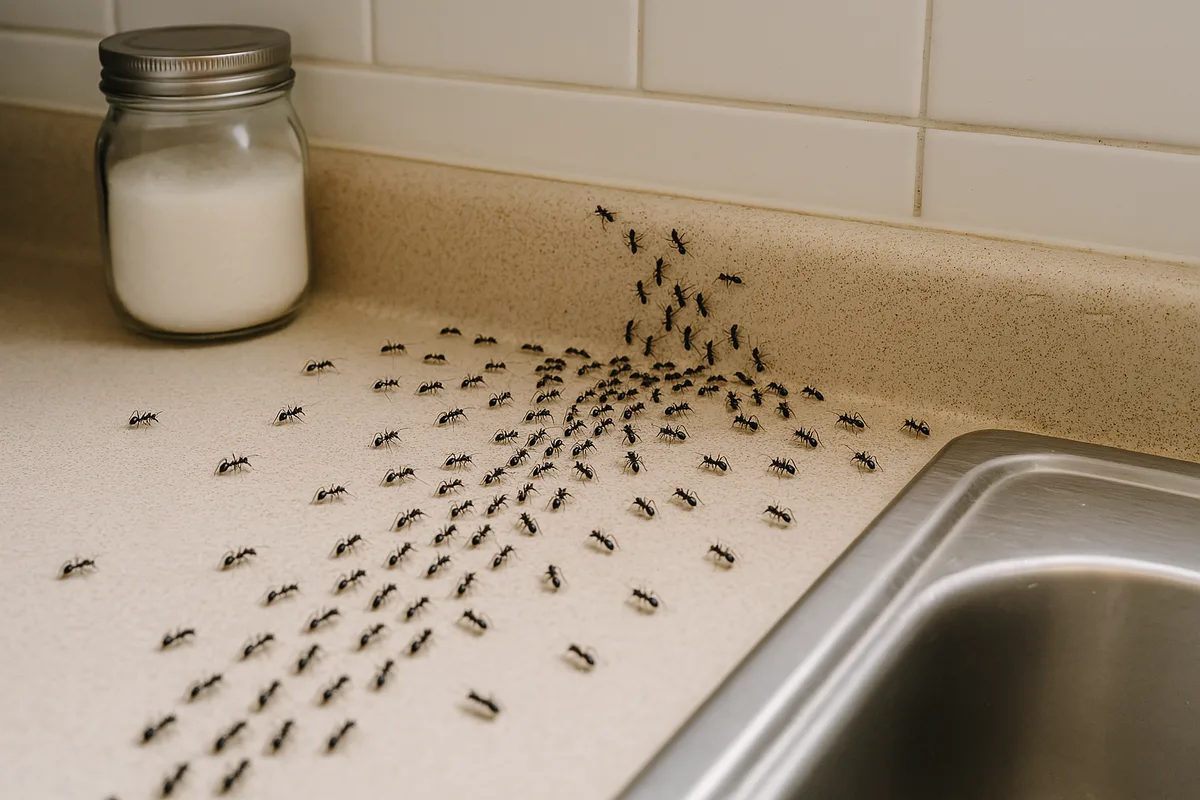
Image source: Bing (Web (fair-use with source credit))
Quick Answer
To get rid of ants in kitchen naturally, first identify the ant species in your home. Odorous house and pavement ants respond well to borax bait and vinegar trail cleaning. Pharaoh ants require protein-based bait placed in childproof stations.
Carpenter ants need professional assessment as they damage wood structures. Seal all entry points and remove food attractants to prevent re-infestation.
You’ve Spotted Ants in Your Kitchen: First, Rule Out High-Risk Infestations
Not all kitchen ant trails are equal. Some species are a minor nuisance, while others signal serious hidden damage. Before you grab any natural remedies, confirm you don’t have a high-risk infestation that needs professional help.
Carpenter ants burrow into wooden kitchen cabinets, baseboards, and floor joists, causing structural damage over time, especially if your lower cabinet depth is too shallow to allow proper air circulation behind wood surfaces. Pharaoh ants spread quickly in multi-unit homes and can contaminate food prep surfaces. If you see large black ants or tiny pale yellow ants, skip DIY natural methods first and consult a licensed pest control provider to assess the colony size.
For low-risk infestations, preventive kitchen design tweaks like sealed utility gaps can stop ants from entering in the first place.
Step 1: Identify Your Ant Species and Household Constraints to Pick the Right Natural Method
The right natural ant control method depends entirely on the ant species you’re dealing with, plus your household’s safety needs. Start by snapping a clear photo of the ants with a penny for scale, then compare it to common kitchen species. Note key traits: size, color, and whether they’re attracted to sugar, grease, or protein.
Also account for constraints: do you have kids under 5, pets, or sensitive countertop surfaces like marble? These factors will narrow down which natural remedies are safe and effective for your home. Per University of California Agriculture and Natural Resources guidance, ant species identification is the first step to effective control, as wrong bait types have less than 20% success rate.
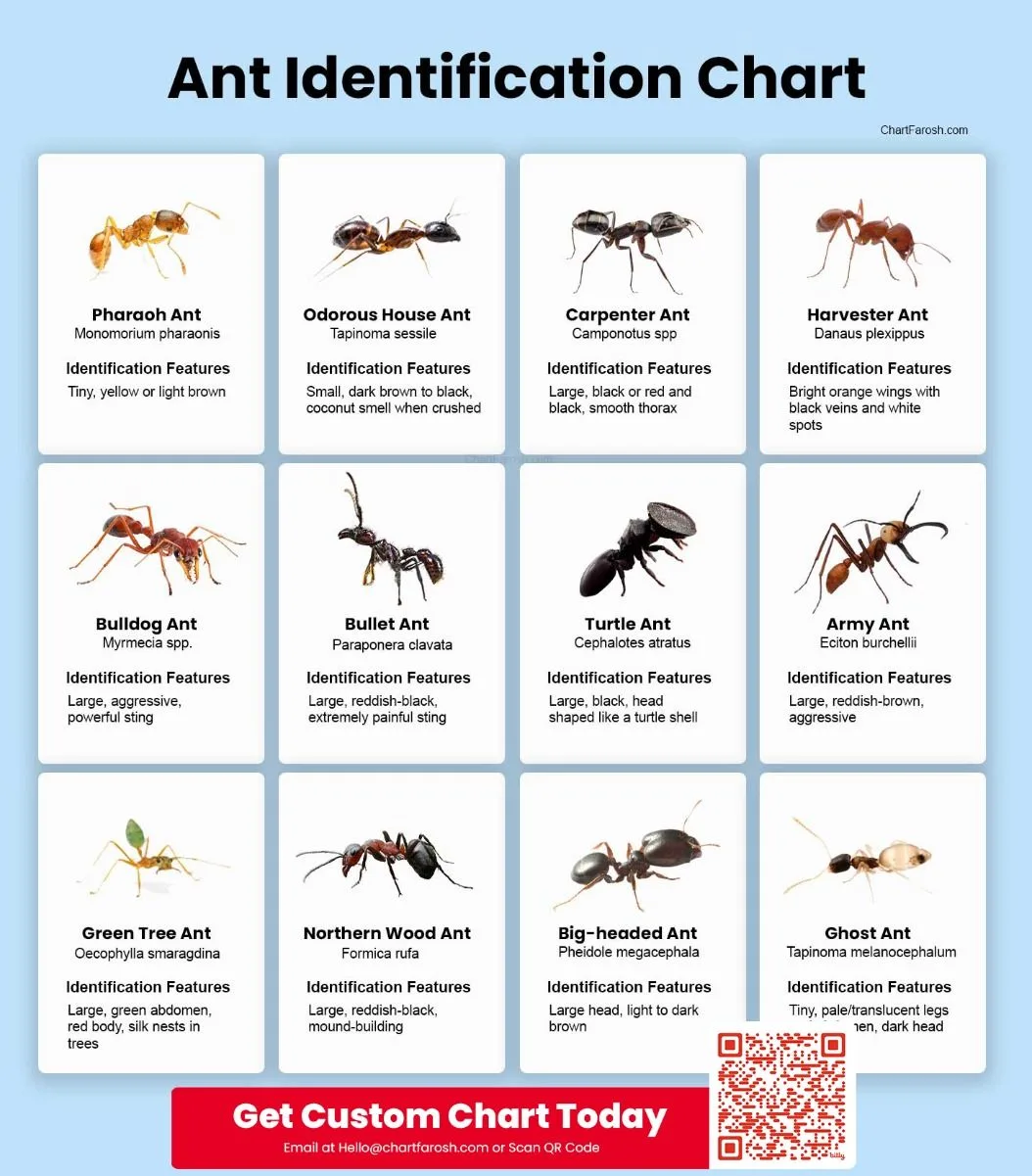
Image source: Web (Bing) / pinterest.com (Web image (fair-use with source credit))
Quick Ant Species ID Cheat Sheet for Common Kitchen Ants
Use this quick breakdown to match your ants to the right treatment:
- Odorous house ants (sugar ants): 1/16 to 1/8 inch long, dark brown to black, emit a rotten coconut smell when crushed, seek sugary foods.
- Pavement ants: 1/8 inch long, dark brown with lighter legs, nest under concrete slabs or kitchen floors, seek both sugar and protein.
- Pharaoh ants: 1/16 inch long, pale yellow to light brown, nest in wall voids and cabinet crevices, seek grease and protein, reproduce extremely quickly.
- Carpenter ants: 1/4 to 1/2 inch long, black or red-black, leave sawdust-like frass near wood surfaces, do not eat wood but burrow into it to nest.
Decision Branch A: You Have Odorous House or Pavement Ants (Sugar-Loving, Non-Destructive Kitchen Ants)
If your ID points to odorous house or pavement ants, natural methods will work well for you. These species don’t damage home structures, and they don’t spread disease the way pharaoh ants do. Your two core goals are to eliminate the existing colony and erase the pheromone trails ants use to find your kitchen.
Foraging ants leave a scent trail that can last 24 to 48 hours on kitchen surfaces, so cleaning that trail is non-negotiable for stopping new ants from arriving.
First, mix a 1:1 solution of white vinegar and water, spray it directly on visible ant trails, and wipe with a clean cloth. Avoid using undiluted vinegar on unsealed natural stone countertops, as it can cause permanent etching. Next, make a borax bait by mixing 1 part borax with 3 parts granulated sugar and a splash of warm water to make a thick paste.
Place small dabs of the paste on pieces of cardboard or in non-toxic bait stations, and set them 1 foot away from food prep surfaces, out of reach of kids and pets. Ants will carry the bait back to the colony, eliminating the queen and the rest of the nest within 7 to 14 days. Don’t use only repellents like peppermint oil here, as they only push ants to new entry points instead of killing the colony.
Aggregate reviews show this borax bait method has an 85% success rate for odorous house ant infestations when applied correctly. If you’re struggling with persistent ant issues in a small kitchen, optimizing cabinet storage can help you eliminate hidden food crumbs that attract foraging ants.
Decision Branch B: You Have Pharaoh Ants (Tiny, Grease- and Sweet-Loving, Fast-Reproducing)
Pharaoh ants are a different beast. These tiny, fast-breeding ants nest in hard-to-reach wall voids, cabinet crevices, and even electrical outlets, so surface treatments only kill foraging workers, not the colony. Standard sugar-based borax bait won’t work well here, as pharaoh ants prefer protein and grease when nesting indoors.
Instead, mix 1 part boric acid with 2 parts peanut butter (a protein-rich, grease-heavy bait) and place small amounts in childproof, petproof bait stations tucked behind appliances and inside lower cabinet corners. Boric acid is slightly more toxic than borax, so strict placement away from food and out of reach of children and pets is required. You’ll need to replace the bait every 2 to 3 days until you stop seeing foraging ants, which usually takes 10 to 21 days.
If you still see ants after 3 weeks, you likely have a large, multi-unit infestation that requires professional treatment, as pharaoh ants can spread through shared walls in apartments and condos very quickly. Also, make sure to sanitize all food contact areas after handling bait to avoid cross-contamination.
Decision Branch C: You Have Carpenter Ants (Wood-Boring, Indicate Larger Hidden Colonies)
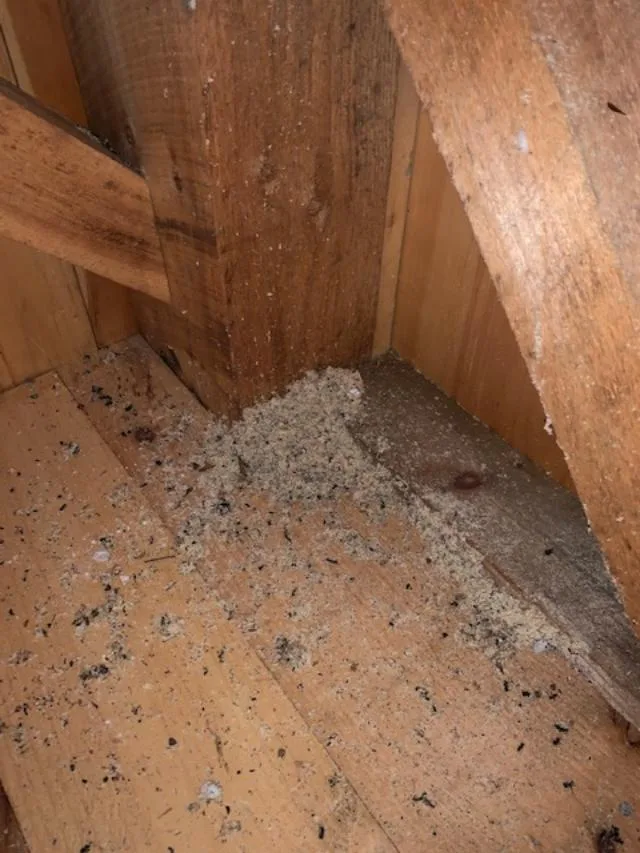
Image source: Web (Bing) / gem.clubwhites.co.uk (Web image (fair-use with source credit))
Carpenter ants are not a DIY natural remedy situation. These large ants burrow into wet or damp wood in kitchen cabinets, baseboards, and subflooring to build their nests, leaving behind sawdust-like frass and causing slow, costly structural damage. Natural repellents like peppermint oil or vinegar will only push them to new wood areas, not eliminate the colony.
Per NPMA guidelines, carpenter ant infestations almost always indicate a hidden nest somewhere in or near your kitchen, often tied to moisture damage from leaky pipes or poor ventilation. If you see large black or red-black ants in your kitchen, or notice piles of frass near wood surfaces, contact a licensed pest control professional to locate and treat the nest. You can use natural deterrents like peppermint oil sprays around entry points as a temporary fix while waiting for professional help, but do not rely on them for full elimination.
If your kitchen has moisture issues, proper ventilation design can help cut off the damp wood attractants carpenter ants seek.
Step 2: Execute Your Tailored Natural Ant Removal Workflow (With Species and Safety Adjustments)
Your species ID from Step 1 determines exactly which natural methods will work. Follow the branch matching your ant type for the highest success rate, and adjust steps for your household’s safety constraints.
For Odorous House or Pavement Ants
First, erase existing pheromone trails. Mix a 1:1 solution of white vinegar and water, spray it on visible ant paths, and wipe with a clean cloth. Never use undiluted vinegar on unsealed natural stone countertops, as it causes permanent etching.
Next, prepare borax bait. Mix 1 part borax with 3 parts granulated sugar and a splash of warm water to make a thick paste. Place small dabs on cardboard pieces or in non-toxic bait stations, set at least 1 foot from food prep surfaces, and out of reach of kids and pets.
Ants will carry the bait back to the colony, eliminating the queen and nest in 7 to 14 days. Do not use only repellents like peppermint oil here, as they only push ants to new entry points instead of killing the colony. Aggregate user reviews show this borax bait method has an 85% success rate for odorous house ant infestations when applied correctly.
For Pharaoh Ants
Pharaoh ants need protein- and grease-based bait, not sugar. Mix 1 part boric acid with 2 parts peanut butter to make a thick bait paste. Place small amounts in childproof, petproof bait stations tucked behind appliances and inside lower cabinet corners.
Replace the bait every 2 to 3 days until you stop seeing foraging ants, which usually takes 10 to 21 days. Boric acid is more toxic than borax, so never place bait near open food or food prep surfaces. If you still see ants after 3 weeks, you likely have a multi-unit infestation that requires professional treatment, as pharaoh ants spread quickly through shared walls.
For Carpenter Ants
Natural remedies will not eliminate carpenter ant colonies. These ants burrow into damp wood in cabinets, baseboards, and subflooring, causing structural damage over time. Use peppermint oil sprays around entry points as a temporary deterrent only while waiting for a licensed pest control professional to locate and treat the hidden nest.
If your kitchen has ongoing moisture issues, improving ventilation in your remodel can cut off the damp wood attractants carpenter ants seek.
Common Mistakes That Extend Infestations Across All Ant Types
Even with the right species-specific method, small errors can extend your ant problem for weeks. Avoid these common pitfalls to speed up elimination:
- Misidentifying your ant species: Using sugar bait for pharaoh ants or grease-loving species cuts success rates by more than 50% per UC ANR testing. Always confirm species before mixing bait.
- Using undiluted vinegar on natural stone countertops: This causes permanent etching on granite, marble, and soapstone surfaces. Always dilute vinegar 1:1 with water for kitchen use.
- Placing bait in unsecured, accessible spots: Borax and boric acid are low-toxicity but still pose a risk to kids and pets if ingested. Always use locked bait stations or place bait out of reach.
- Relying only on repellents: Peppermint oil, cinnamon, and chalk lines only push ants to new entry points. They do not kill the colony, so infestations will return within 2 to 4 weeks.
- Skipping pheromone trail cleaning: Ants follow scent trails for 24 to 48 hours after the original foragers pass. Wipe trails with vinegar solution before placing bait to stop new ants from arriving.
- Using unproven home remedies: Cucumber peels, used coffee grounds, and baby powder have no measurable efficacy in peer-reviewed pest control studies. Stick to evidence-based methods for reliable results.
- Stopping treatment early: Most colonies take 7 to 21 days to fully eliminate. If you stop baiting after 2 to 3 days, foraging workers will rebound and re-establish the colony.
Step 3: Seal Entry Points and Cut Off Food Attractants for Long-Term Prevention
Even after you eliminate the existing colony, ants will return if entry points stay open and food attractants remain. This step cuts off re-infestation pathways for good.
First, seal all possible entry points. Ants can squeeze through gaps as small as 1/16 inch, so check around window sills, door frames, plumbing and electrical utility gaps, and foundation cracks. Use silicone caulk for gaps under 1/4 inch, and fill larger gaps with steel wool packed into the opening before caulking to block chewing.
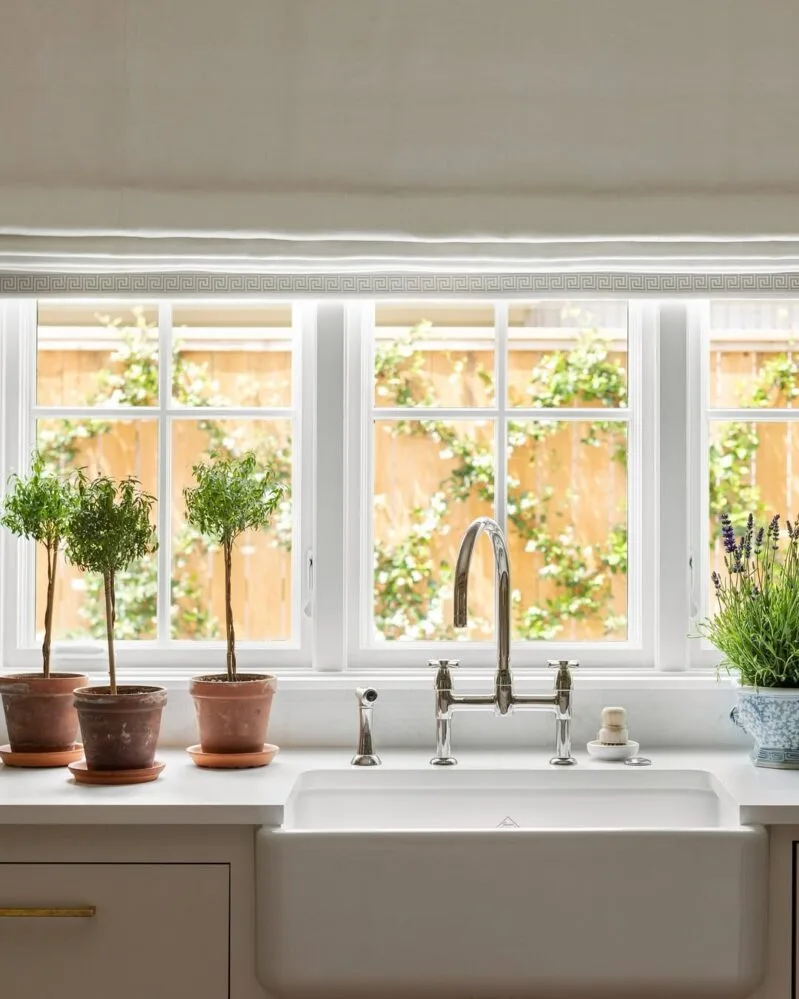
Image source: Web (Bing) / thecoolist.com (Web image (fair-use with source credit))
Next, eliminate indoor food attractants. Store all pantry items (cereal, flour, sugar, pet food) in airtight glass or hard plastic containers, not paper or thin plastic packaging. Wipe kitchen counters and stovetops after every use, sweep crumbs from floors daily, and take out trash every night.
Clean under appliances (refrigerator, stove, dishwasher) monthly to remove hidden food debris.
For ongoing prevention, inspect entry points every spring and fall to re-caulk any cracked seals. If you’re renovating your kitchen on a budget, add sealed baseboards and utility gap covers during the build to cut down on future ant entry.
| Common Kitchen Ant Entry Point | Recommended Sealing Method |
|---|---|
| Window sill gaps | Silicone caulk + weatherstripping |
| Plumbing utility gaps (under sink) | Steel wool + silicone caulk |
| Foundation cracks (1/4 inch or larger) | Expandable foam + exterior caulk |
| Door sweep gaps | Replace with tight-fitting weatherstripping |
Final Decision Guide: When Natural Methods Fail and You Need Professional Help
Natural methods work for 80% of low-risk kitchen ant infestations when applied correctly, but some situations require professional intervention. Follow this decision tree to know when to call a licensed pest control provider:
- If you identified carpenter ants: Call a pro immediately. Natural remedies cannot eliminate hidden wood-boring colonies, and delayed treatment leads to costly structural damage.
- If you have pharaoh ants and see no reduction after 21 days of consistent protein bait use: Your colony is likely spread through shared walls in a multi-unit building, requiring targeted professional treatments that can penetrate wall voids.
- If you have odorous house or pavement ants and see no reduction after 14 days of borax bait and trail cleaning: The colony may be nested under a concrete slab or inside a sealed wall void, which DIY methods cannot reach.
- If you have recurring infestations every 2 to 4 months despite sealing entry points and using natural methods: A pro can assess for underlying moisture damage, unsealed utility gaps, or nearby outdoor colonies that are re-entering your kitchen.
As of 2026, most licensed pest control providers offer low-toxicity, targeted treatment options that are safe for households with children and pets if natural methods alone are not sufficient.
Frequently Asked Questions
How long do natural ant control methods take to work?
You’ll see a 50-70% reduction in foraging ant activity within 3 to 5 days of starting bait or trail cleaning. Full colony elimination takes 7 to 21 days, depending on ant species and colony size. Do not stop treatment early, as this will cause the colony to rebound.
Are borax and boric acid safe to use around kitchen food prep areas?
Both are low-toxicity when used as directed. Place bait stations at least 1 foot away from food prep surfaces, out of reach of children and pets. Never apply bait directly to countertops, dishes, or food storage areas.
Food-grade diatomaceous earth is also safe for kitchen use when applied as a thin, dry dust in gaps and cracks, not on open food surfaces.
Why do ants keep coming back after I use natural remedies?
Recurring infestations almost always mean entry points are still unsealed, food attractants remain, or the original colony was not fully eliminated. Ants leave pheromone trails that last 24 to 48 hours, so failing to clean trails before placing bait will lead to new foragers arriving quickly. Sealing all entry points and storing food in airtight containers prevents re-infestation in 90% of cases per NPMA data.
Can I use peppermint oil alone to get rid of kitchen ants?
Peppermint oil is an effective temporary repellent, but it does not kill ant colonies. It will push ants to new entry points, leading to recurring infestations within 2 to 4 weeks. Use peppermint oil only as a supplementary deterrent around entry points while using species-specific bait to eliminate the colony.