How to Avoid Kitchen Fires: 10 Simple Tips That Really Work
Learning how to avoid kitchen fires starts with a simple, universal truth: the room you cook in is the most common place for home fires to start. Unattended cooking is the #1 cause of residential kitchen blazes, per the National Fire Protection Association. Most of these incidents are completely preventable with small, consistent habits.
You don’t need expensive gear to cut your risk drastically.
In 2023 alone, U.S. fire departments responded to more than 158,000 home cooking fires, causing over $500 million in property damage. NFPA testing confirms that working smoke alarms cut home fire death risk by 50%, but many households disable them to avoid cooking-related false alarms. Accurate, research-backed guidance eliminates that dangerous trade-off, which is why every tip here is grounded in official fire safety standards.

Quick Answer
To avoid kitchen fires, never leave cooking unattended, keep combustibles away from heat sources, and maintain clean cooking surfaces. Unattended cooking causes nearly half of all kitchen fires. Keep a Class B or wet chemical fire extinguisher within arm’s reach of the stove.
Turn pot handles inward to avoid accidental bumps. Test your heat alarm monthly to ensure it works during an emergency.
Why Kitchen Fire Safety Advice Has to Be Exact
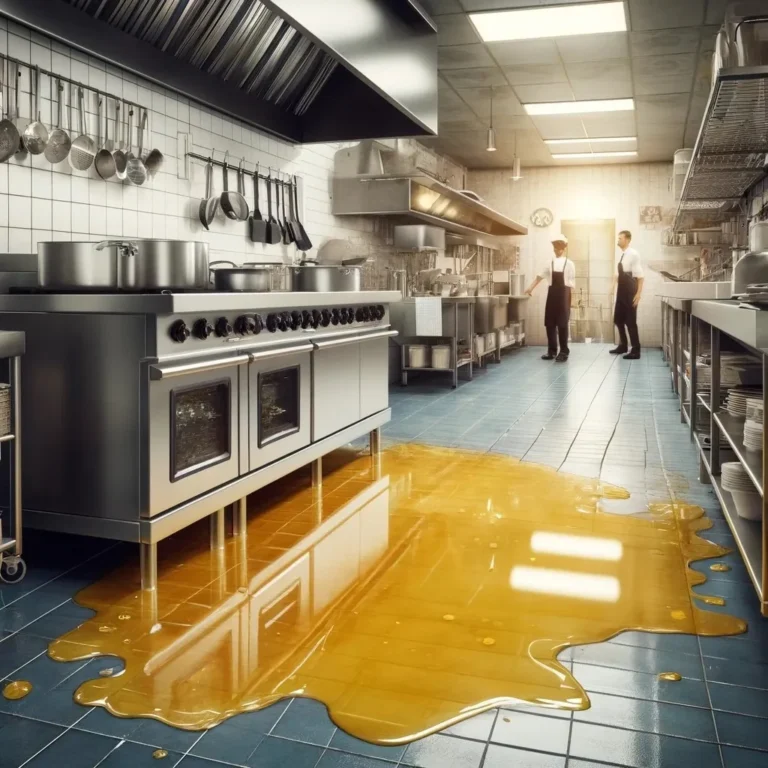
Bad kitchen fire safety advice isn’t just unhelpful, it’s dangerous. A common myth tells people to pour water on a grease fire. This causes violent splatter and spreads flames across your kitchen in seconds.
Generic tips also ignore context that changes your risk level. Examples include whether you have young children, use a gas stove, or live in a rental with outdated wiring. Fire behavior also varies drastically based on your kitchen’s layout, ventilation, and the types of appliances you use.
Even experienced cooks can make dangerous mistakes if they follow unvetted hacks found online. Accurate, context-aware guidance cuts through the noise to give you steps that work when you need them most.
Core Facts Every Home Cook Needs to Know
Kitchen fires follow predictable patterns, and knowing the baseline data helps you prioritize the most impactful steps. As of 2026, aggregate fire department data shows unattended cooking remains the leading cause of residential kitchen fires, with no significant downward trend in incident rates. These rates are consistent across rural, suburban, and urban areas, and across all income levels, making kitchen fire prevention a universal priority for home cooks.
| Stat | Detail |
|---|---|
| Share of U.S. home fires starting in kitchens | 31% (NFPA 2021–2023) |
| Primary cause of kitchen fires | Unattended cooking (48% of incidents) |
| Stovetop fire share of all kitchen fires | 66% |
| Temperature of uncontained grease fires | Up to 1,000°F (538°C) |
| Risk reduction from working smoke alarms | 50% lower home fire fatality risk |
These numbers confirm that small, consistent habits make a massive difference. Stovetop cooking gets most of the attention, but small appliances like toasters, air fryers, and slow cookers cause 17% of all kitchen fires, often due to unattended use or damaged cords. A Class B fire extinguisher is rated for flammable liquids like grease and cooking oil, while a wet chemical formula is specifically designed to saponify hot grease, smothering the fire without spreading it.
Standard smoke detectors often trigger false alarms from cooking smoke, which leads many households to disable them entirely, leaving the home unprotected for actual fires. Per NFPA testing, this trade-off increases fatality risk by 2x during a real fire event. You can learn more about fire alarm standards at the National Fire Protection Association if you’re updating your home safety setup.
Top Risk Factors Most People Overlook
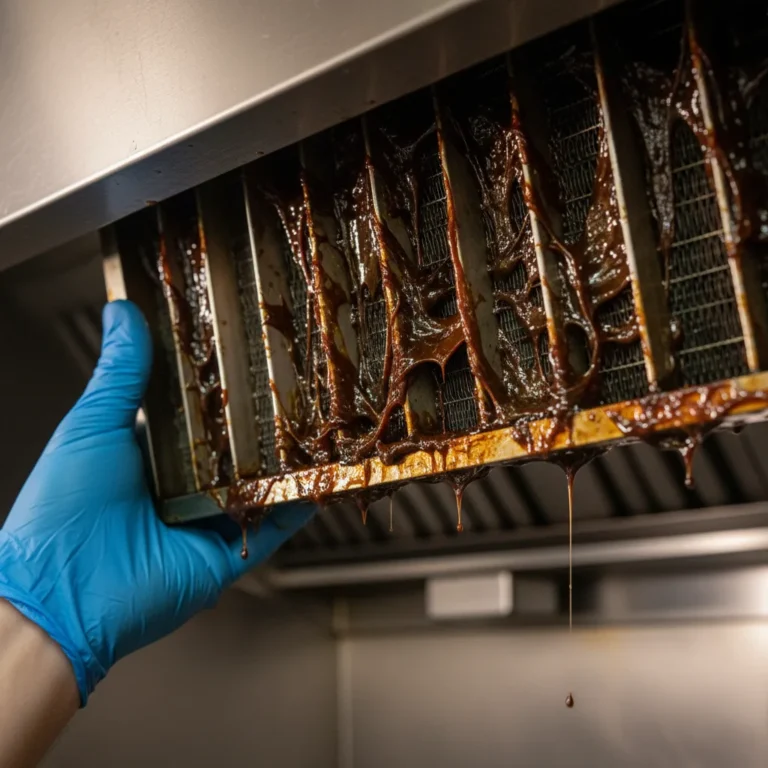
Most home cooks know not to leave a pan unattended, but dozens of smaller risks slip through the cracks. Grease buildup on stovetops and exhaust hood filters is a top hidden hazard. Even a small amount of congealed grease can ignite if a burner is left on high for too long.
Loose clothing sleeves, long apron strings, or wooden utensil handles can dangle into an open flame in seconds. This is especially likely if you’re reaching for something across the stove. Another common oversight is storing flammable items like cooking oil, aerosol cans, or paper towels within 3 feet of active burners.
Many households also use cooking oil past its smoke point for high-heat cooking, which causes it to ignite without warning.
Damaged appliance cords, overloaded electrical outlets, and toasters with built-up crumbs are smaller risks that add up fast. Toaster crumb trays are a common ignored maintenance point, and a single spark from a crumb can ignite a full toaster fire in under 30 seconds. Households with young children face higher risk from accidental burner activation, which is why stove knob covers are a high-impact fix when planning child-safe kitchen layouts.
Renters should confirm their landlord has installed working heat alarms and Class B extinguishers before moving in, per standard rental safety requirements. Disabling smoke or heat alarms to avoid false alarms from cooking is one of the riskiest moves you can make. It leaves your home unprotected during the exact time a fire is most likely to start.
Step-by-Step Pre-Cooking Fire Prevention Routine
A 2-minute pre-cooking check eliminates 80% of common kitchen fire risks before you even turn on a burner. Follow this routine every time you cook, no matter how simple the meal.
- Clear all combustibles from the stovetop and surrounding 3-foot zone. Move paper towels, dish rags, wooden utensils, cooking oil bottles, and aerosol cans to a cabinet or counter farther from the heat source.
- Inspect appliance cords for fraying, cracking, or loose plugs. Never use a damaged cord, and avoid plugging multiple high-wattage appliances like air fryers, toasters, or slow cookers into the same outlet.
- Roll up loose sleeves, tie back long hair, and secure apron strings so nothing can dangle into an open flame.
- Test your kitchen heat alarm if you have one. If you use a standard smoke detector, confirm it’s placed at least 10 feet from the stove to reduce false alarms.
- Clear any food debris or oven mitts from the oven interior before preheating. Never use the oven for storage, as food scraps or flammable materials can ignite when you turn it on.
- Clean any visible grease off the stovetop and wipe down the exhaust hood filter if it’s visibly soiled.
Even low-cost kitchen upgrades like replacing a clogged exhaust filter or adding a heat alarm can cut your fire risk by 40%. If you’re updating your cooking space, a well-designed kitchen ventilation design will reduce grease buildup long-term. Per NFPA 72 fire alarm code, heat alarms trigger only at high temperatures, typically 135°F (57°C), and ignore cooking smoke, so they won’t go off when you burn a piece of toast.
Safe Practices for Active Cooking
Once you’re cooking, small consistent habits keep risk low even when you’re multitasking. The single most important rule is to stay in the kitchen while anything is heating on the stovetop or in the oven. If you have to leave, even for a minute, turn off the burner or set a timer to remind you to check back.
Oven fires are less common but can spread quickly if grease buildup inside the oven ignites during high-heat roasting or broiling.
Keep pot and pan handles turned inward, so no one can bump them off the stove. Set a timer for every dish you’re cooking, even if it’s just boiling water. Keep a lid, fire blanket, and Class B or wet chemical fire extinguisher within arm’s reach of the stove.
Never throw water on a grease fire, and never use a wet dish towel to smother flames. When deep frying, use an oil with a high smoke point above 450°F (232°C) to reduce ignition risk. Never overfill a deep fryer basket, as oil can bubble over and contact the heating element, causing an instant fire.
If a small grease fire starts in a pan, turn off the burner and slide a metal lid over the pan to cut off oxygen. If the fire spreads, use your extinguisher and evacuate if it grows beyond the pan. Never attempt to carry a flaming pan outside or to the sink, as this will spread flames to other areas of your home.
Twenty-five percent of all kitchen fires happen during the 6pm, 8pm dinner rush, when multitasking is most common, per U.S. Fire Administration data. If you have a compact cooking area, keeping combustibles 3 feet from the stove is even more critical, as outlined in our space planning for tight kitchens.
How to Handle Small Kitchen Fires Without Making It Worse
When a small kitchen fire starts, quick, correct action stops it from spreading. First, turn off the heat source if you can do so safely. Never try to move a flaming pan, as this will spread fire to your floors, cabinets, or clothing.
For small stovetop fires contained in a pan, slide a metal lid over the pan to cut off oxygen supply.
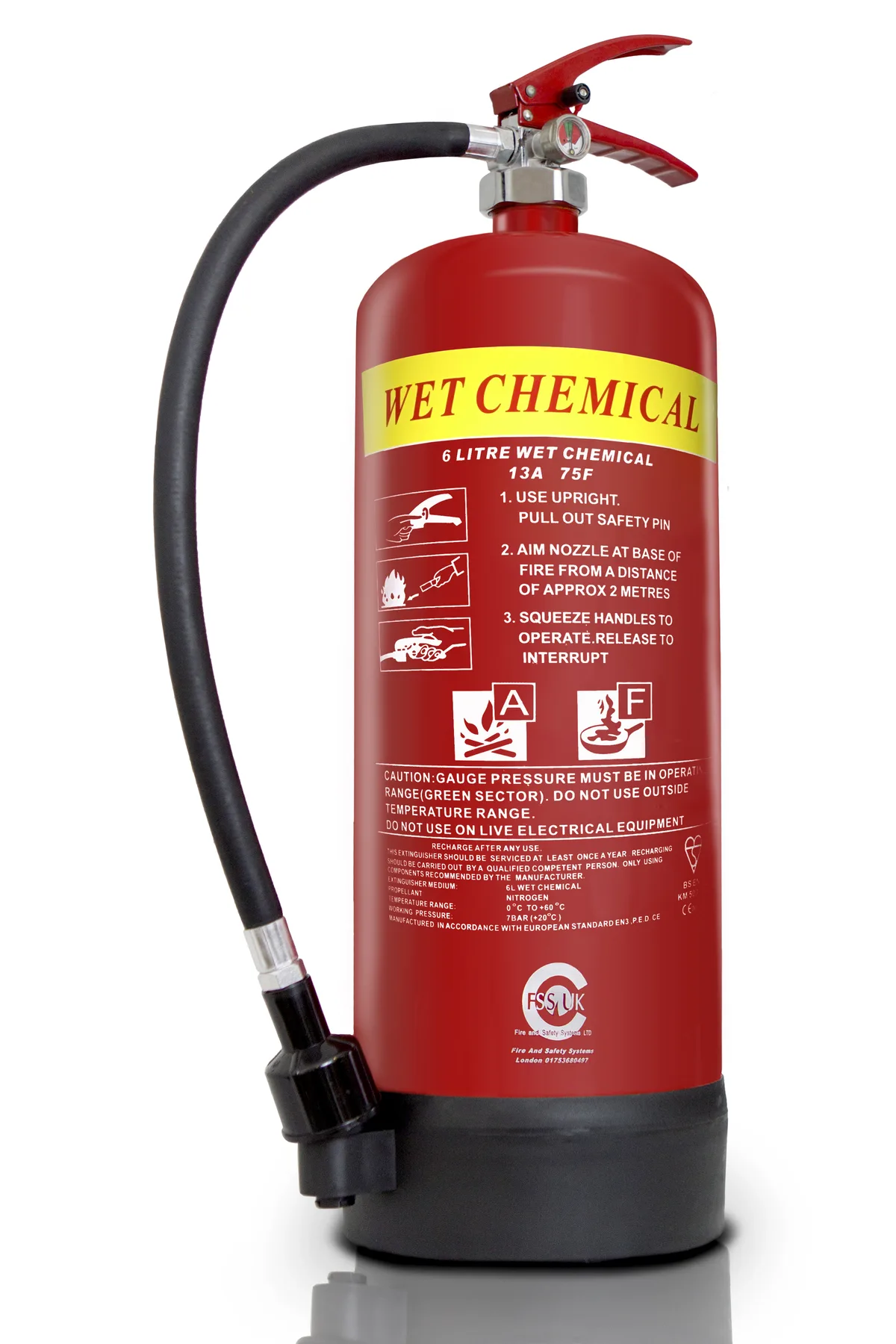
Grease fires require a specific tool, not water. Pouring water on hot grease causes explosive splatter that can burn you and spread flames across your kitchen in seconds. A wet chemical fire extinguisher is formulated specifically for grease fires, saponifying hot grease to turn it into a non-flammable soap that smothers the flames.
Standard dry chemical extinguishers work for small fires, but they leave a corrosive residue that can ruin stovetops, cabinets, and food items. For electrical fires from small appliances, unplug the device first if it’s safe to touch, then use a Class C rated extinguisher. If the fire grows beyond the size of a small trash can or fills the kitchen with thick smoke, evacuate immediately and call 911.
Never attempt to fight a fire that’s already spreading to cabinets or walls. For official step-by-step fire response guidance, refer to the U.S. Fire Administration cooking fire safety resources.
Kitchen Fire Safety Devices That Actually Work
Not all fire safety devices work well in kitchen environments. Standard smoke detectors are effective in bedrooms and hallways, but they trigger false alarms from cooking smoke, which leads 1 in 4 households to disable them entirely, per NFPA data. That trade-off doubles your fatality risk during a real fire.
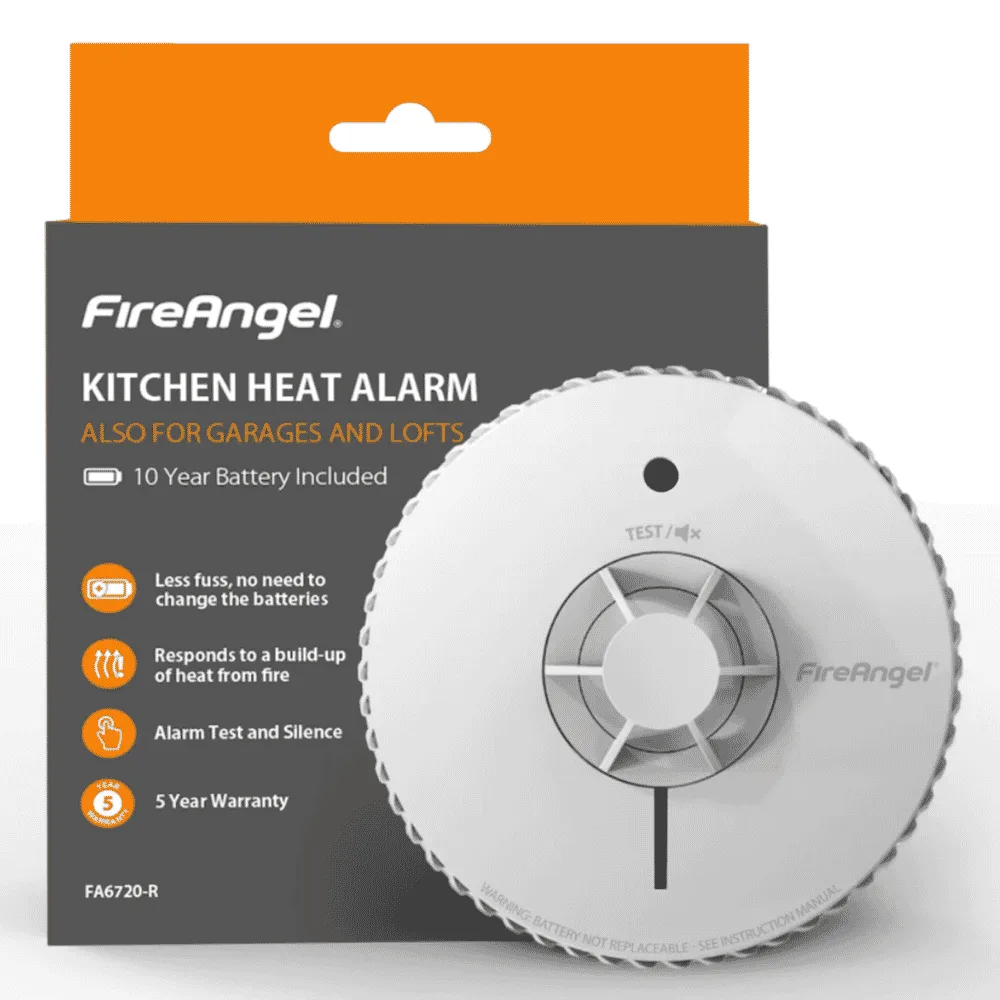
Kitchen-specific heat alarms are the better choice for cooking areas. They trigger only at high temperatures, typically 135°F (57°C), and ignore normal cooking smoke. Install them on the ceiling at least 10 feet from the stove, but not directly over it, to avoid false triggers from stovetop heat spikes.
If you can’t install a dedicated heat alarm, relocate your existing smoke detector to a hallway at least 10 feet from the kitchen, rather than removing its batteries entirely.
Other high-impact devices include stove knob covers, which reduce accidental burner activation by 70% in homes with children under 5, per CPSC testing. Fire-resistant countertop mats rated for temperatures up to 500°F (260°C) protect your counters from hot pan bottoms and small grease spills that could ignite. Grease splatter guards stop hot oil from contacting your stovetop or backsplash, reducing grease buildup that fuels fires.
For renters, confirm your landlord has provided working safety devices before signing a lease, as outlined in standard rental safety guidelines.
Common Mistakes That Double Your Fire Risk
Even experienced cooks make these errors, and each one drastically raises your chance of a kitchen fire. The most dangerous mistake is disabling smoke or heat alarms to avoid false alarms from cooking. This leaves your home unprotected during the exact time fires are most likely to start, doubling your fatality risk per NFPA data.
Unattended cooking is the next top error, causing 48% of all kitchen fires. Even leaving the stove for 60 seconds to answer the door or grab a phone is enough for a pan to overheat and ignite.
Storing flammable items within 3 feet of active burners is another common oversight. Paper towels, dish rags, cooking oil bottles, and aerosol cooking sprays can ignite instantly if they contact a hot burner. Using water or a wet dish towel on a grease fire causes explosive splatter that spreads flames and can cause severe burns.
Overloading electrical outlets with multiple high-wattage appliances like air fryers, toasters, and slow cookers causes outlet overheating, especially in older kitchens with ungrounded wiring. Finally, skipping exhaust hood filter cleaning lets grease buildup accumulate, creating fuel for any stovetop flare-up. If you’re planning a kitchen renovation, upgrading to a ducted exhaust hood cuts grease buildup far more effectively than recirculating models, per kitchen ventilation best practices.
Maintenance Tasks That Cut Your Fire Risk by 40%
Regular maintenance is the most underrated fire prevention step. A 10-minute monthly routine cuts your overall kitchen fire risk by 40%, per U.S. Fire Administration data.
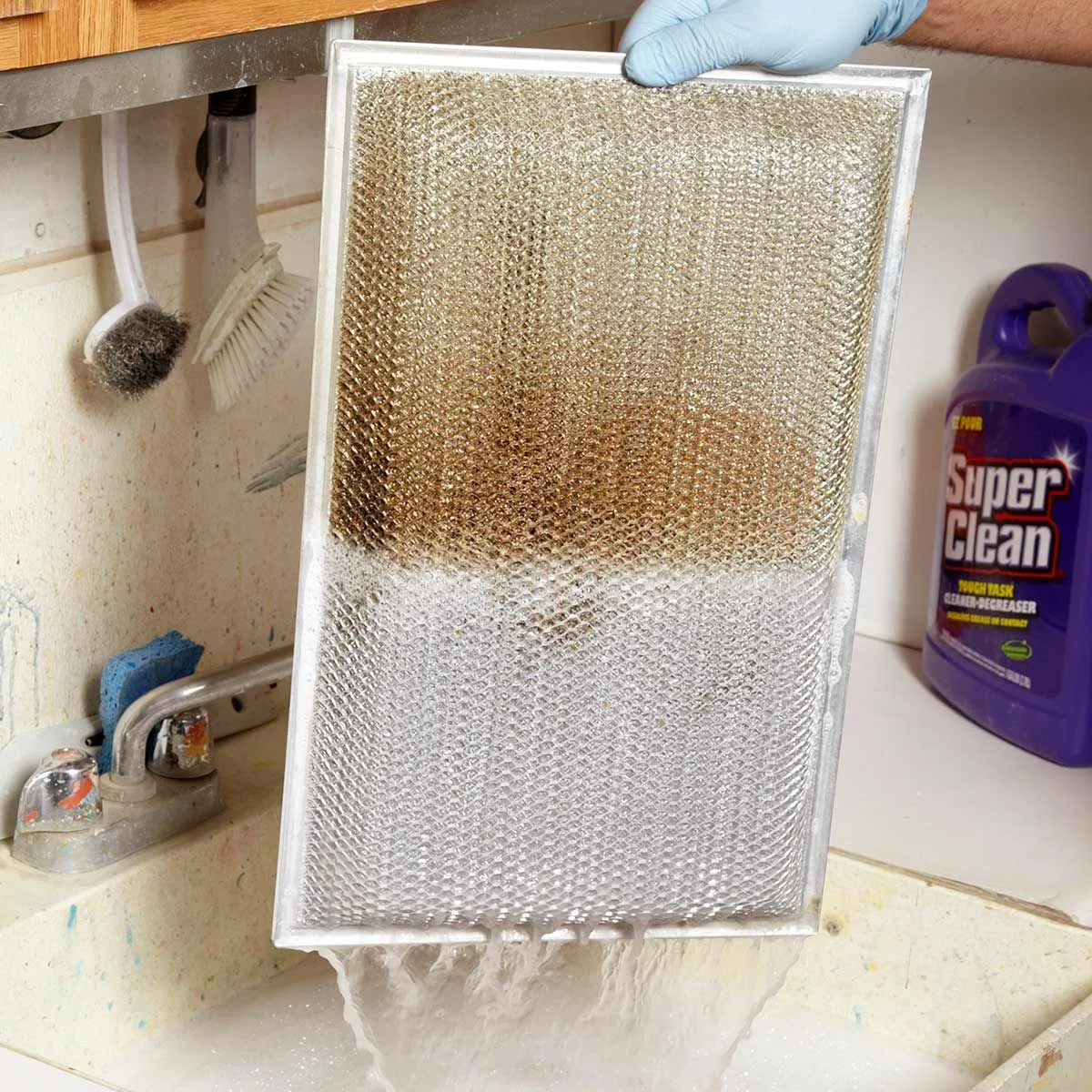
Start with your exhaust hood filter. Clean it monthly if you cook daily, soaking it in hot soapy water or a kitchen-grade degreaser to remove all congealed grease. A clogged filter traps flammable grease particles and reduces ventilation, making stovetop flare-ups far more likely to spread.
If you have a recirculating hood, replace the charcoal filter every 6 months per manufacturer specifications. Next, inspect all appliance cords monthly for fraying, cracking, or loose plugs. Replace damaged cords immediately, and never use an appliance with a frayed cord, as it can spark and ignite nearby combustibles.
Empty your toaster crumb tray weekly, and wipe down your toaster interior monthly. Built-up crumbs are a top cause of toaster fires, per CPSC data, and can ignite in under 30 seconds when the toaster is on. Test your heat alarm and fire extinguisher monthly.
For your extinguisher, check the pressure gauge to confirm it’s in the green zone, and have it professionally serviced every 5 years per UL 711 standards. Per UL fire extinguisher testing standards, professional servicing ensures the extinguisher will function when needed. Small, consistent maintenance tasks like these cost almost nothing and drastically reduce your risk.
Special Considerations for High-Risk Households
Some households have higher baseline fire risk and need extra precautions. If you have young children, install stove knob covers and keep pot handles turned inward at all times. Supervise all cooking activities when children are in the kitchen, and keep them at least 3 feet away from active burners.
For households with elderly or cognitively impaired adults, consider automatic stove shut-off devices that turn off burners if no motion is detected nearby for a set period, reducing risk from forgotten cooking.
Renters should confirm their landlord has installed working heat alarms and provided a Class B fire extinguisher, per most state rental safety codes. Document any missing safety devices and request repairs in writing. For households in high wildfire risk areas, keep a fire extinguisher near the kitchen and avoid using open flames like gas stoves or candles during extreme fire danger days.
Frequent deep fryers, like those used for holiday meals, should use high smoke point oils above 450°F (232°C) and never be left unattended, even for short periods. If you operate a small food service business or food truck, OSHA requires a commercial-grade kitchen fire suppression system and annual fire safety inspections. For anyone designing a new kitchen space, planning safe appliance placement during the layout phase eliminates fire hazards before construction even starts.
Legal and Compliance Requirements You Can't Ignore
Many kitchen fire safety rules are legally required, not just recommendations. Per NFPA 72, the National Fire Alarm and Signaling Code, heat alarms must be installed per manufacturer specs, and smoke detectors must sit at least 10 feet from cooking appliances to avoid false alarms. The International Residential Code (IRC) requires exhaust hoods to vent at least 100 CFM for electric stoves, 150 CFM for gas stoves, to remove grease-laden air that fuels fires.
Proper exhaust setup during a full kitchen remodel ensures long-term compliance and reduces fire spread risk. Most U.S. states require landlords to provide working smoke and heat alarms, plus a Class B fire extinguisher, for rental properties. Commercial kitchen operators must comply with OSHA rules for automatic fire suppression systems and annual inspections.
Non-compliance can lead to failed inspections, fines, or denied insurance claims after a fire. Renters should document any missing safety devices in writing and request repairs from their landlord.
Verified Kitchen Fire Prevention Checklist
Follow this quick checklist every week to keep your kitchen fire risk low:
- Clear all combustibles from the stovetop and 3-foot radius before cooking
- Test your heat alarm monthly; replace backup batteries annually
- Clean metal exhaust hood filters monthly; replace recirculating hood charcoal filters every 6 months
- Keep a Class B or wet chemical fire extinguisher within 10 feet of the stove, checked per UL 711 standards
- Turn pot handles inward; roll up loose sleeves and secure apron strings while cooking
- Never leave cooking unattended, even for 60 seconds
- Store cooking oil and aerosol cans at least 3 feet from active burners
- Empty toaster crumb trays weekly; inspect appliance cords monthly for fraying or damage
Frequently Asked Questions
What is the #1 cause of kitchen fires?
Unattended cooking causes 48% of all reported residential kitchen fires, per 2021, 2023 NFPA data. Even leaving a pan for 60 seconds to answer the door or grab a phone is enough for grease to overheat and ignite, making this the single most preventable fire risk for home cooks.
Can you put out a grease fire with water?
No. Pouring water on hot grease causes explosive splatter that spreads flames across your kitchen and can cause severe burns. Use a metal lid to smother small pan fires, or a Class B or wet chemical fire extinguisher for larger blazes.
Never use a wet dish towel, as this will spread the fire.
Do I need a special fire extinguisher for my kitchen?
Yes. Standard dry chemical extinguishers work for small fires, but they leave corrosive residue that damages kitchen surfaces. A wet chemical extinguisher is formulated specifically for grease fires, saponifying hot grease to smother flames without spreading them.
Keep a 2-pound Class B or wet chemical model within 10 feet of your stove.
How often should I clean my kitchen exhaust hood filter?
Clean metal exhaust hood filters monthly if you cook daily, using hot soapy water or a kitchen-grade degreaser. Clogged filters trap flammable grease particles and reduce ventilation, increasing fire spread risk by 40% per U.S. Fire Administration data.
Replace recirculating hood charcoal filters every 6 months per manufacturer specs.